
TL;DR
An Ideal Home writer has begun draught-proofing the front door of a chilly, more than 100-year-old house and is considering further changes to make its hallway warmer. The report shares five practical approaches, including sealing draughts, adding a floor runner and reviewing radiator placement, with advice from heating and home-energy specialists.
An Ideal Home writer has begun tackling a cold hallway in a house more than 100 years old, reporting that the front door was recently fitted with weatherstripping, a letterbox cover and a door-bottom brush seal. The report sets out five measures the writer is considering, with expert guidance on reducing draughts, making floors feel warmer and improving heat distribution.

Get business pricing on your home office setup
- Business-only prices and quantity discounts
- Tax-exempt purchasing
- Multiple users, one account, clear invoices
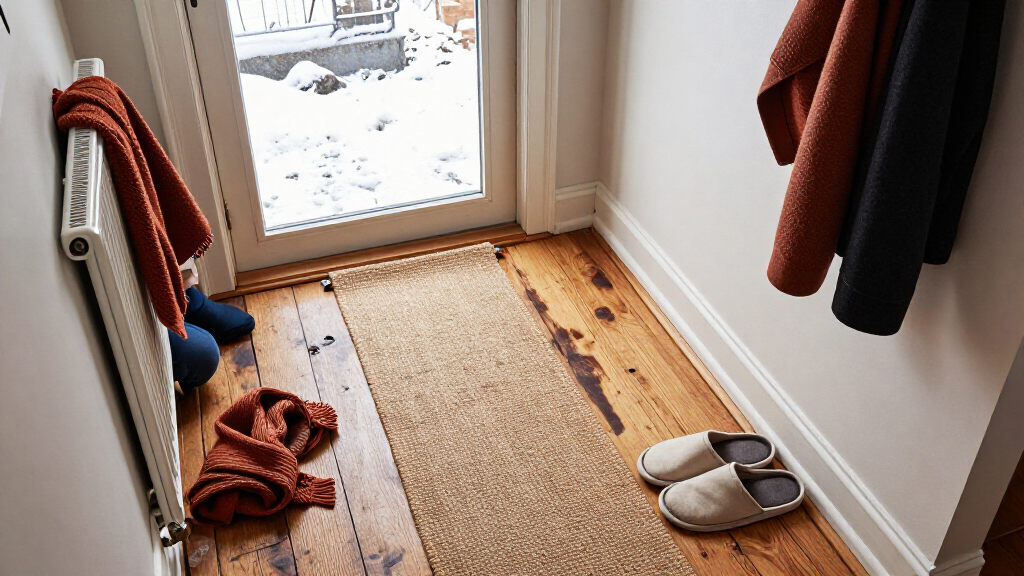
The writer attributes the chilly conditions across the house to its age, original windows and doors, and limited insulation and draught-proofing. The hallway is among the coldest areas, while newer parts of the home, including a kitchen extension and a bedroom, are described as warmer. The author says it is too soon to know what difference the recent front-door work has made.
For draughts, renewable-energy specialist Martyn Fowler advises checking around the door frame, beneath the door and at the letterbox. He says worn weatherstripping and an unsealed letterbox can be straightforward targets, while cautioning against blocking ventilation intended to be there. Georges Cornah of Warm4Less also recommends a door draught excluder and checking understairs cupboards, which can be overlooked sources of cold air.
The report’s flooring options include placing a runner over cold tile or stone, rather than replacing a durable hard floor solely because it feels cold. Gas Safe engineer Patrick Garner says carpet and underlay can help with comfort, while insulation beneath the floor may make a larger difference where heat is escaping in an older home. The writer also plans to review the hallway’s radiator, which is positioned behind coats and jackets, and mentions floor insulation as a possible part of a future remodel.
Small fixes before major work
A cold hallway affects a space people pass through whenever they enter or leave, and draughts there can make the home feel less comfortable. The advice focuses first on low-disruption steps, such as checking seals and using a runner, before considering more substantial work like floor insulation or changing the heating setup.
The recommendations are not a guarantee of lower bills or a particular temperature. Their likely value depends on the home’s layout, the source of heat loss and whether ventilation is needed. For readers in older homes, the report offers a sequence of checks that may help identify simple problems before committing to renovation.
Products Worth Considering

Philips Hue Play Floor Lamp, RGBWWIC LED, 53 Inch, Black

Dyson V11 Torque Drive Cordless Vacuum Cleaner

Levoit Core 400S-P Smart Air Purifier for Large Rooms
As an affiliate, we earn on qualifying purchases.
An older home with cold spots
The writer says the house was built more than a century ago and still has original windows and doors, with limited insulation and draught-proofing. The hallway’s slate floor is described as durable and practical but cold underfoot. These details frame the report as a homeowner’s account and set of expert suggestions, not as a measured study of heating performance.
The first reported change was sealing the front door, carried out a few weeks before publication. The five-part approach also covers floor coverings, the radiator’s size or position, storage that may obstruct heat, and further insulation or heating improvements. The supplied article text gives detail on the first three areas, while its remaining recommendations are not fully available here.
“The front door is always the first place I check for draughts.”
— Martyn Fowler, founder of Elite Renewables
Results and costs remain unknown
The writer says there has not been enough time to judge the effect of the new door seals. The report supplies no temperature readings, energy-use figures, cost estimates or comparison with the hallway before the work, so its measures should be understood as practical suggestions rather than proven results for this particular home.
It is also unclear whether the radiator is undersized, badly positioned or simply obstructed by coats. The supplied source text ends while describing the radiator and does not include the full detail of all five planned actions. Any effect from insulation or heating changes would depend on the building and the work carried out.
Testing the hallway improvements
The writer says the front-door draught-proofing has been completed and intends to put further measures in place before colder weather. The next practical steps described include assessing the radiator area, reducing obstruction from coats, and using a runner to soften the cold floor. Floor insulation is being considered for a hallway remodel planned for the following year, according to the report.
No schedule or final decision is given for the larger work, and the article does not report results from the completed door-sealing measures. The next indication of progress would be the writer’s assessment of whether the hallway feels warmer after the changes.
Key Questions
What has the homeowner already done?
The writer says a few weeks before publication they added a letterbox cover, a brush seal beneath the door and weatherstripping to the front door. The writer says it is too early to judge the result.
What does the report suggest for a cold hallway floor?
It suggests trying a runner or rug over cold tile or stone. Replacing the floor is not presented as necessary; carpet and underlay or insulation beneath the floor are other options discussed by the experts.
Where should homeowners check for draughts?
Fowler advises checking around the front-door frame, underneath the door and around the letterbox. Cornah also recommends checking understairs cupboards. Do not block ventilation that is intentionally provided.
Is the radiator in the hallway confirmed to be the problem?
No. The writer reports that coats hang in front of the radiator, but the supplied report does not establish whether the unit is undersized or incorrectly positioned, or quantify how much the obstruction affects heating.
Source: rss