When choosing a screen for your mixed-use living room, focus on balancing style, noise reduction, and flexibility. Pick a design that matches your decor, such as metal for industrial or carved wood for traditional looks. Consider the size and portability to suit your space and needs, and opt for durable, easy-to-maintain materials. Prioritize functionality by selecting screens that help create quiet zones and adapt to different activities. If you want to explore more options, discover how to make the best choice for your space.
Key Takeaways
- Match the screen’s style, materials, and finishes with your existing decor for seamless integration.
- Choose noise-reducing options like upholstered or solid wood screens to create quiet zones.
- Select size and portability based on room dimensions and your need for flexible reconfiguration.
- Prioritize durable, easy-to-maintain materials suited for high-traffic areas or households with pets.
- Balance aesthetic appeal with functional features to effectively divide and optimize your living space.
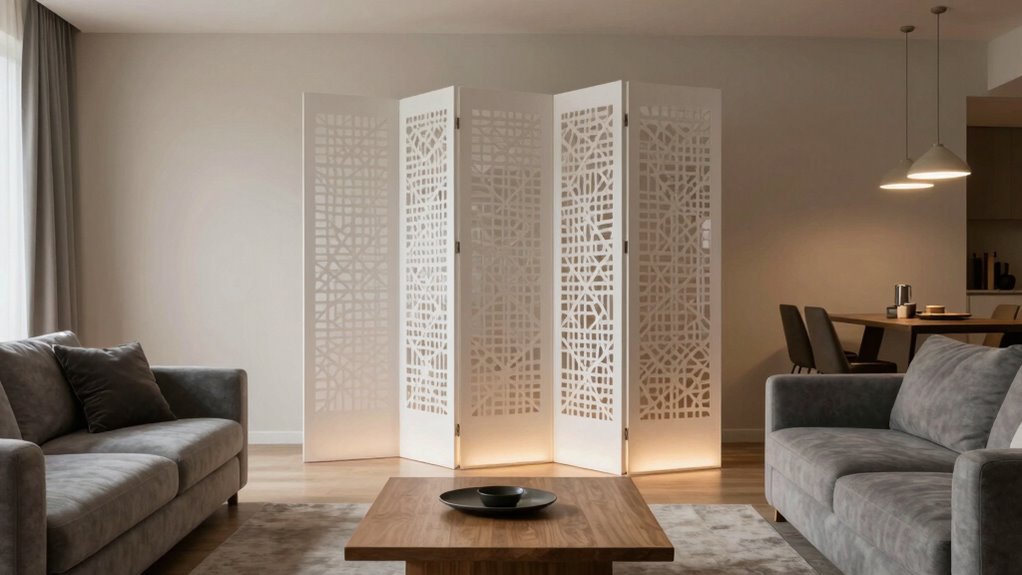
Choosing the right screen for a mixed-use living room can transform the space into a functional and stylish area that meets your diverse needs. You want something that not only separates different zones but also complements your decorative styles. Whether you prefer modern minimalism, rustic charm, or eclectic vibrancy, the screen should enhance your overall aesthetic. Look for designs, materials, and finishes that resonate with your existing decor. For example, a sleek, metal frame might suit industrial decor, while a wooden screen with intricate carvings could complement a traditional or bohemian style. The goal is to choose a piece that feels like a natural extension of your space, blending form and function seamlessly. Additionally, selecting a screen with adaptable features can allow you to customize its use over time as your needs evolve.
Noise reduction is another pivotal factor to evaluate. If your living room is a hub of activity, or if you share the space with a home office or a sleeping area, a screen that offers sound dampening can be a game-changer. Heavier, thicker materials like solid wood or upholstered screens can absorb sound better than lightweight, transparent options like lattice or paper screens. You might also explore screens with fabric panels or padded surfaces designed specifically for noise control. This way, you can create quiet zones within your living space, making it easier to relax, work, or sleep without constant interruptions.
Size and portability are equally important. You want a screen that’s proportionate to your room’s dimensions—large enough to divide the space effectively but not so bulky that it overwhelms the area. If flexibility is a priority, opt for lightweight, movable screens that you can reposition as needed. Folding screens or those with a collapsible frame give you versatility, allowing you to adapt your layout for different occasions or activities.
Durability and maintenance are also worth factoring in. If your living room sees heavy use or if you like to change your decor often, choose a screen with easy-to-clean surfaces and sturdy construction. Materials like metal, treated wood, or high-quality fabric resist wear and tear better over time. Cleaning should be straightforward, especially if you have pets or children.
Ultimately, selecting a screen for your mixed-use living room involves balancing aesthetic appeal with practical considerations like noise reduction, size, and durability. Take your time to assess your needs and space, and you’ll find a solution that not only separates your zones effectively but also elevates your entire living environment.

Angeles Room Divider, Acoustic Room Divider Panel, Grey, 48" X 6'
- Sound Dampening Core: PE foam core absorbs noise
- Flexible Shape: Adjustable to fit space
- Easy Setup & Takedown: Includes glides and storage strap
As an affiliate, we earn on qualifying purchases.
As an affiliate, we earn on qualifying purchases.
Frequently Asked Questions
What Materials Are Best for Durability in a Mixed-Use Space?
For durability in a mixed-use space, you should choose materials with high material longevity and surface resilience. Opt for hardwood or metal frames that withstand daily wear and tear, and fabrics like leather or tightly woven textiles that resist stains and scratches. These choices guarantee your screen remains functional and attractive over time, even with frequent use. Prioritizing sturdy, resilient materials helps your screen endure the demands of a busy, multifunctional living area.
How Tall Should the Screen Be for Optimal Privacy?
For ideal privacy, aim for a screen height that covers the eye level of most users when seated, typically around 60-72 inches. Privacy height depends on your space and needs, but following screen height guidelines suggests choosing a height that blocks direct sightlines without overwhelming the room. Guarantee the screen’s height balances privacy with openness, creating a cozy yet functional division in your mixed-use living space.
Can Screens Double as Decorative Art Pieces?
Yes, screens can double as decorative art pieces. You can choose screens with intricate patterns, vibrant colors, or textured materials that add decorative accents to your space. Their aesthetic versatility allows you to use them as focal points or subtle accents, blending functionality with style. This way, your screens enhance privacy while also serving as unique decorative elements, enriching your living room’s overall look and personality.
Are There Screens Suitable for Outdoor or Indoor Use?
Yes, there are screens suitable for both outdoor and indoor use. Outdoor screens are typically made from weather-resistant materials, making them perfect for outdoor privacy or dividing garden spaces. Indoor privacy screens often feature lightweight, decorative designs that add style while creating separation. You can choose versatile screens that work well in both settings, ensuring durability outdoors and aesthetic appeal indoors for your mixed-use living room.
How Do I Maintain and Clean Different Types of Screens?
Did you know that proper cleaning extends the lifespan of your screens by up to 30%? To maintain and clean different types, regularly dust or vacuum screens to remove debris, especially around screen placement areas. For fabric screens, gently spot clean with a mild detergent. For metal or wooden screens, wipe with a damp cloth. Adjust lighting effects as needed to reduce glare and keep your screens looking their best.
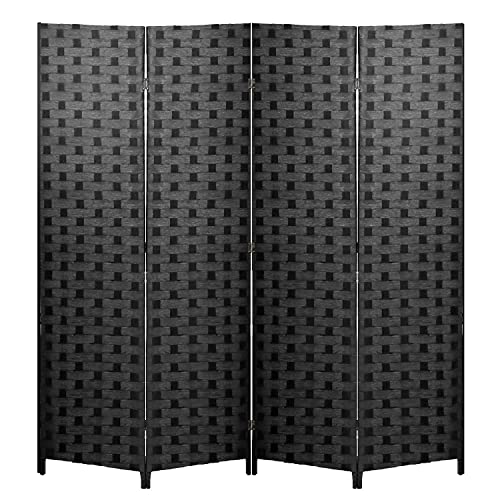
FDW Room Divider 6FT Wall Divider Wood Screen 4 Panels Wood Mesh Hand-Woven Design Room Screen Divider Indoor Folding Portable Partition Screen,Black
- Flexible 4-Panel Design: Adjusts to your space needs
- Easy to Store: Folds compactly for storage
- Hand-Crafted Quality: Made by skilled artisans
As an affiliate, we earn on qualifying purchases.
As an affiliate, we earn on qualifying purchases.
Conclusion
Choosing the right screen for your mixed-use living room is like crafting the perfect stage for your daily life, balancing privacy, style, and function. Remember, it’s not just about dividing space but creating a harmonious flow—think of it as painting a canvas where each element plays an essential role. With thoughtful selection, you’ll turn your living room into a versatile sanctuary, echoing the timeless wisdom that the whole is greater than the sum of its parts.
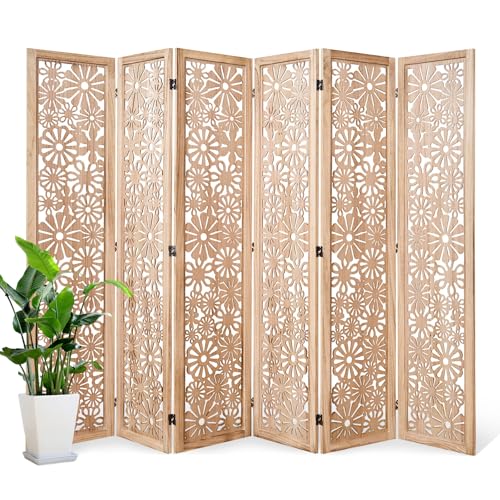
Folding Wood Room Divider Panel, 67 Inch Tall Daisy-Carved Privacy Screen – No-Assembly Required, Decorative Flower Carved Room Partition, Ideal for Home and Office Natural 6 Paned
- Decorative Flower Carvings: Beautiful carved floral design
- Multi-Functional Design: Serves as a decorative and practical divider
- Folding and Portable: Easily fold and move for convenience
As an affiliate, we earn on qualifying purchases.
As an affiliate, we earn on qualifying purchases.

MAYOLIAH 6 Panel Folding Privacy Screen 9ft Wide, 6ft Tall Partition Room Divider Portable Office Walls Dividers, Black
- Large Expanded Size: 120W x 17.7D x 71H inches
- Easy to Assemble and Store: Includes hardware and instructions
- Portable and Flexible Design: Folds into a single panel for storage
As an affiliate, we earn on qualifying purchases.
As an affiliate, we earn on qualifying purchases.