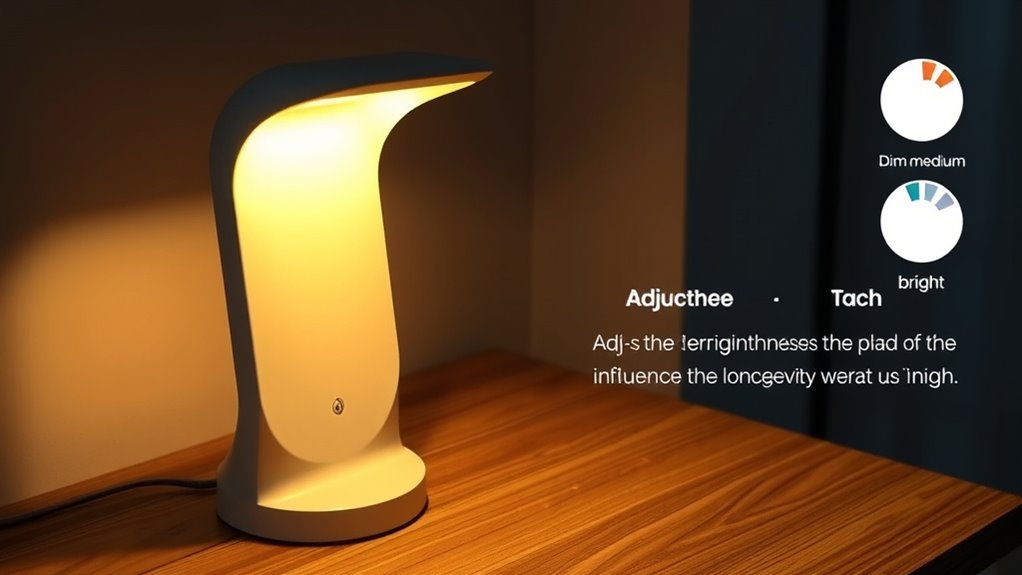
When you choose higher brightness and cooler color modes, your lamp generates more heat and consumes more power, which can shorten its lifespan. Cooler, brighter settings put extra stress on internal components, accelerating wear. To maximize longevity, it’s best to balance your lighting needs with mode choices, opting for warmer, lower-power settings when possible. If you’re interested in understanding how specific modes impact your lamp’s durability, there’s more to explore below.
Key Takeaways
- Higher brightness modes increase power consumption, generating more heat that can shorten lamp lifespan.
- Cooler color temperature modes tend to consume more energy, leading to faster component wear.
- Using lower brightness and warmer modes reduces thermal stress, extending lamp longevity.
- Frequent switching to high-brightness or cool modes accelerates component degradation over time.
- Balancing brightness needs with mode selection optimizes both lamp performance and lifespan.
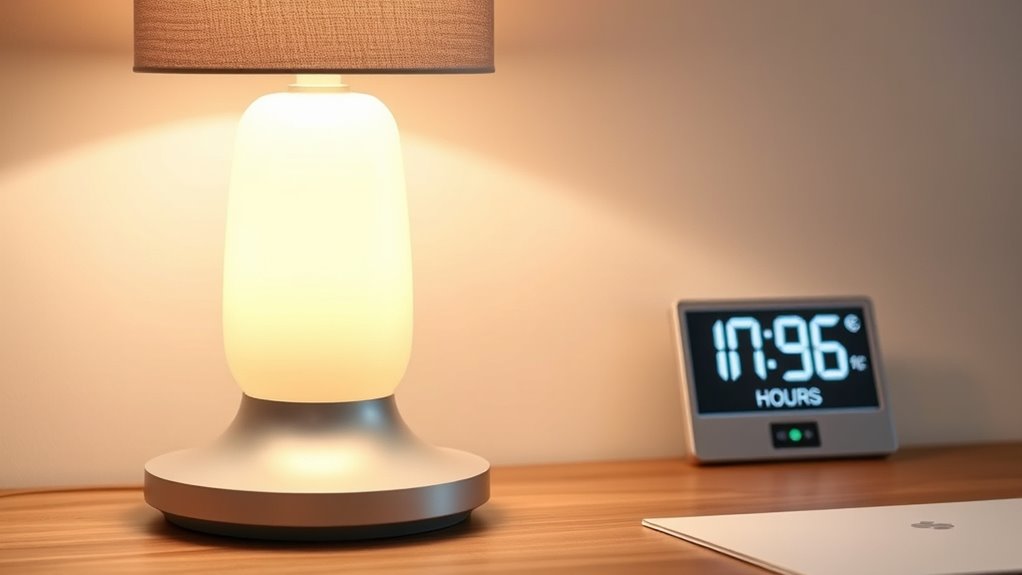
When choosing a lamp, many people wonder whether to prioritize brightness or lamp life, but understanding the relationship between the two can help you make a smarter decision. One key factor that influences this balance is the mode you select, especially when it comes to color temperature and power consumption. Different settings can markedly impact how long your lamp lasts and how bright it appears, so it’s important to consider how these elements interact. Color temperature plays a vital role in your lighting choices. Lamps with adjustable color temperatures often have modes that range from warm to cool light. Higher color temperatures, which emit cooler, bluish light, tend to consume more power. This increased power consumption can lead to higher heat generation inside the bulb or LED components, potentially shortening the lamp’s lifespan over time. Conversely, warmer color temperatures generally use less energy and produce less heat, which can help extend the bulb’s longevity. So, if you frequently switch your lamp to a cooler, brighter mode, you might notice a quicker decline in lamp life due to increased stress on the components. Additionally, understanding how compliance with safety standards impacts the quality and durability of lighting devices can guide you toward choosing more reliable options. Power consumption directly affects both brightness and longevity. When you select modes that maximize brightness, the lamp draws more energy to produce a higher lumen output. This increased energy demand often results in greater heat and stress on the lamp’s components, hastening wear and tear. On the other hand, using lower brightness modes reduces power consumption, which not only saves energy but also minimizes thermal stress, helping your lamp last longer. However, lower power modes usually mean less brightness, which might not be ideal if you need strong lighting for tasks. Striking the right balance means choosing a mode that offers enough brightness for your needs without overtaxing the lamp’s internal parts. Different lamps are designed to perform at their best in specific modes, so understanding how color temperature and power consumption intertwine can help you extend your lamp’s life. If you tend to keep your lamp in high-brightness or cool-color modes, expect more frequent replacements. Conversely, sticking to warmer, lower-power settings can prolong the lifespan but might not meet your lighting needs at all times. By managing these settings thoughtfully, you can maximize both brightness and longevity, making your lighting setup more efficient and cost-effective in the long run.

LEPOWER Desk Lamp, 800LM LED for Home Office, True Eye-Caring for Reading
- Eye-Caring RG0 Certified Light: Prevents blue light, protects eyes
- Wider Lighting Panel: 50-inch lighting area with 800 lumens
- Multiple Lighting Options: 5 color temps, 10 brightness levels
As an affiliate, we earn on qualifying purchases.
As an affiliate, we earn on qualifying purchases.
Frequently Asked Questions
How Does Ambient Temperature Influence Lamp Longevity?
Ambient temperature directly impacts lamp longevity through temperature effects and thermal management. When the environment is too hot, your lamp’s components can overheat, accelerating wear and reducing lifespan. Conversely, cooler temperatures help maintain ideal thermal management, preventing excessive heat buildup. To maximize lamp life, keep the surroundings within recommended temperature ranges, guarantee proper ventilation, and avoid exposing the device to extreme heat. This approach helps your lamp operate efficiently and last longer.
Are There Maintenance Tips to Extend Lamp Life?
You might think maintenance is a hassle, but it actually prolongs your lamp’s life. Follow regular cleaning routines to prevent dust buildup that dims brightness and strains the bulb. Stick to recommended replacement schedules instead of waiting for flickers or dimness. Ironically, taking care of your lamp ensures it lasts longer, saving you money and hassle—so don’t skip these simple steps, or you might end up replacing it sooner than expected.
Do Different Lamp Brands Vary in Longevity?
Yes, different lamp brands vary in longevity because brand reliability and lamp quality influence how long your lamp lasts. You should research brands known for high-quality components and consistent performance, as these tend to have longer-lasting lamps. Always follow manufacturer recommendations for usage and maintenance, because proper care can maximize your lamp’s lifespan regardless of the brand you choose. Quality brands often offer better warranties too, giving you extra peace of mind.
Can Frequent Switching Modes Impact Lamp Lifespan?
Think of your lamp as a marathon runner, and mode switching as sudden sprints. Frequently jumping between modes can wear down the lamp’s durability, much like overexerting your muscles. Each switch causes tiny stress points that chip away at its lifespan, potentially shortening its longevity. To keep your lamp shining longer, try to minimize unnecessary mode changes and stick with a consistent setting whenever possible.
What’s the Impact of Power Surges on Lamp Durability?
Power surges can considerably damage your lamp, reducing its durability. To protect it, you should focus on power surge prevention and guarantee voltage stability. Using surge protectors and stabilizers helps guard against sudden voltage spikes that could burn out the bulb or damage internal components. Regularly checking your electrical setup also minimizes risks, extending your lamp’s lifespan and maintaining ideal performance over time.
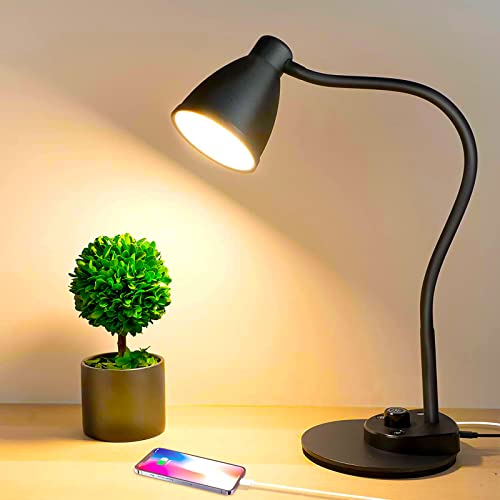
BOHON LED Desk Lamp with USB Charging Port 3 Color Modes Dimmable, Black
- Eye-Caring LED Light: Soft, flicker-free, energy-efficient illumination
- Auto Dimming & Memory: Adjusts brightness automatically, retains settings
- Multiple Color Modes: Natural, white, warm light options
As an affiliate, we earn on qualifying purchases.
As an affiliate, we earn on qualifying purchases.
Conclusion
Remember, balancing brightness and lamp life is like walking a tightrope—you need to find the right point where both are maintained. Cranking up the brightness might make your viewing more vibrant, but it can shorten your lamp’s lifespan, like running a marathon at full speed. By adjusting modes wisely, you can enjoy a bright picture without sacrificing too much longevity. Ultimately, finding that sweet spot keeps your projector shining bright and lasting longer, just like a well-tuned instrument.
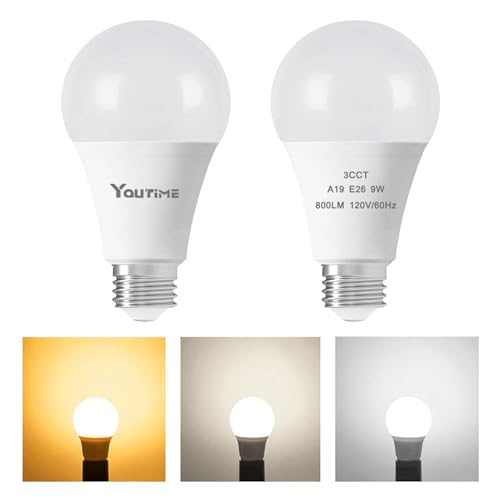
Youtime LED Light Bulb A19 3 Color Temperature 3000K-5000K-4000K,3CCT Color Changing Light Bulbs,Energy Saving 9W(60W Equivalent) LED Bulb,810LM for Bedroom,Living Room,2 Pack
- Three Color Temperatures: Adjustable 3000K, 4000K, 5000K
- Memory Function: Remembers last color setting
- Energy Efficient LED: 9W, 60W equivalent, 810 lumens
As an affiliate, we earn on qualifying purchases.
As an affiliate, we earn on qualifying purchases.
LEPOWER Desk Lamp, 800LM LED for Home Office, True Eye-Caring for Reading
- Eye-Caring RG0 Certified Light: Prevents blue light, protects eyes
- Wider Lighting Panel: 50-inch lighting area with 800 lumens
- Multiple Lighting Options: 5 color temps, 10 brightness levels
As an affiliate, we earn on qualifying purchases.
As an affiliate, we earn on qualifying purchases.