
TL;DR
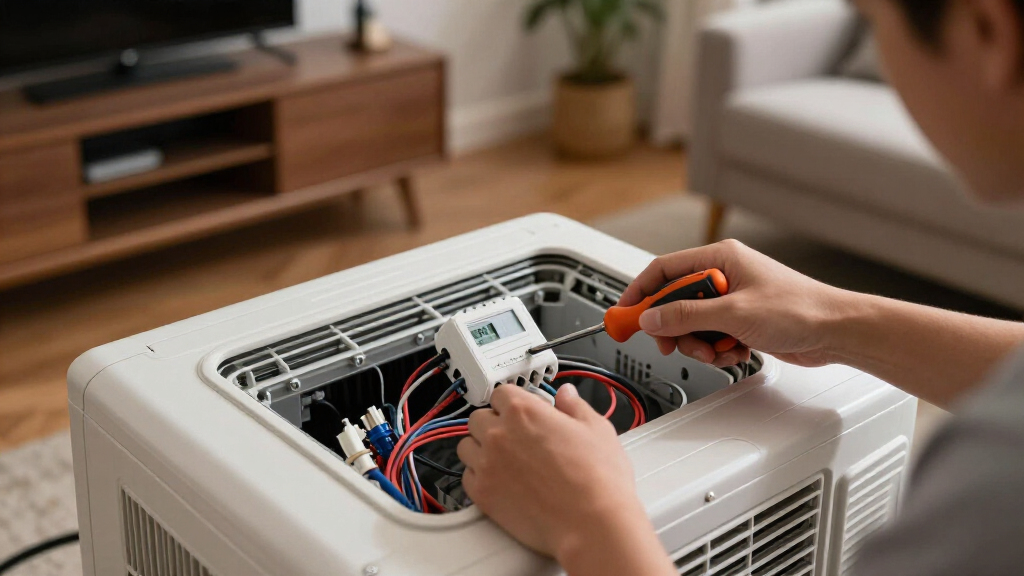
Homeowner shares how they successfully added smart controls to a standard AC unit without risking their security deposit. This involves specific DIY modifications and safety precautions.
A homeowner has revealed a method to turn a dumb AC unit into a smart device without risking their security deposit. This approach involves non-invasive modifications and safety precautions, making it accessible for renters and homeowners alike. The development matters because it offers a practical solution for those wanting smart home features without violating lease agreements or damaging property.

Get business pricing on your home office setup
- Business-only prices and quantity discounts
- Tax-exempt purchasing
- Multiple users, one account, clear invoices
Practical Impact of Non-Invasive Smart AC Conversion
This approach offers a cost-effective and risk-free way for renters and small property owners to enjoy smart home features. It eliminates the need for invasive wiring or hardware modifications, which could lead to lease violations or damage claims. The method also demonstrates that smart technology can be accessible without professional installation, fostering broader adoption among those hesitant due to potential legal or financial consequences. As smart home devices become more common, such DIY solutions provide a bridge for users to upgrade their living spaces safely and legally, expanding the reach of smart automation.
Products Worth Considering

Bose Portable Smart Speaker with Alexa and Google Assistant, Black

Levoit Eleva 300X Air Purifier with Fully Sealed HEPA Filtration and Smart Control

Philips Hue Bridge Pro Smart Lighting Hub
As an affiliate, we earn on qualifying purchases.
Growing Interest in DIY Smart Home Solutions for Renters
As smart home technology becomes increasingly popular, many renters face restrictions on property modifications that could jeopardize their security deposit. Conventional smart systems often involve wiring or hardware changes incompatible with rental agreements. Recent discussions on online forums highlight a trend where users seek non-invasive solutions, such as smart plugs and remote control devices, to retrofit existing appliances. Experts note that while DIY modifications can be effective, they must be carefully chosen to avoid warranty issues or lease violations. This development aligns with a broader movement toward accessible, renter-friendly smart home upgrades, emphasizing safety and reversibility.
“Using a smart plug and IR blaster, I was able to control my AC remotely without any permanent changes. It’s simple, effective, and keeps my security deposit safe.”
— Homeowner sharing on forum
Limitations and Risks of DIY Smart AC Modifications
While the homeowner’s method appears effective, it is not yet clear how universally applicable this approach is across different AC models. There is also limited data on long-term reliability and safety, especially if users attempt more advanced modifications. Experts warn that tampering with internal wiring or hardware could void warranties or breach lease agreements, and improper use of smart devices might pose electrical risks. Additionally, some landlords or property managers may still consider such setups as unauthorized modifications, despite their non-invasive nature. More guidance from manufacturers and legal advice may be needed to clarify these issues.
Next Steps for Safe, Lease-Friendly Smart AC Upgrades
Further research and community sharing are expected to refine non-invasive methods for smartening AC units. Manufacturers may also develop official accessories or guidelines tailored for renters, emphasizing safety and reversibility. Property owners and tenants should consult lease agreements and possibly seek landlord approval before implementing such solutions. Additionally, safety certifications and compatibility checks will become increasingly important as DIY smart home modifications grow in popularity. The ongoing dialogue aims to establish best practices that balance convenience, safety, and legal compliance.
Key Questions
Can I use a smart plug to control any AC unit?
Most basic AC units with a standard power cord can be controlled via a compatible smart plug. However, units with built-in smart features or complex wiring may require different solutions. Always check the device specifications and safety guidelines before purchase.
Will using a smart plug void my warranty or lease agreement?
Using a smart plug is generally non-invasive and unlikely to void warranties or violate lease terms, as it does not alter the AC unit itself. Nonetheless, consult your lease agreement and manufacturer’s warranty conditions to be certain.
What safety precautions should I follow when setting up smart controls?
Ensure all devices are certified and compatible, follow manufacturer instructions, and avoid tampering with internal wiring or hardware. If unsure, consult a professional or seek advice from the device manufacturer.
Are there any legal risks involved with DIY smart home modifications?
While non-invasive modifications are generally low risk, some lease agreements or local regulations may restrict certain changes. Always review your lease and local laws, and consider obtaining landlord approval when in doubt.
Source: hn