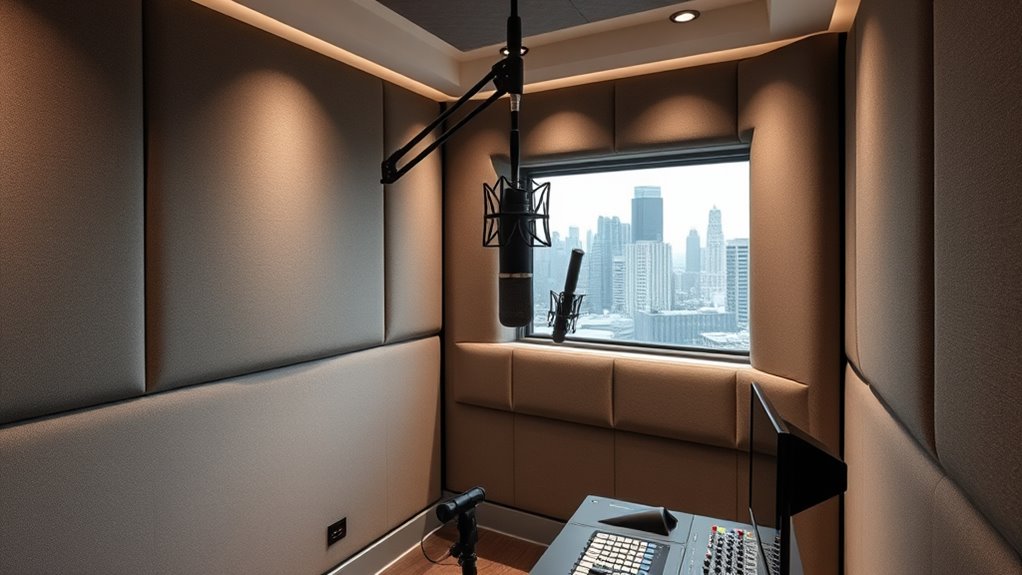

If you’re looking for the truth about soundproofing, this playbook clears up common myths and shares proven facts. It explains that material density alone doesn’t guarantee noise reduction and that effective soundproofing involves layered solutions, sealing gaps, and understanding sound pathways. You’ll discover why DIY fixes often fall short and what materials truly work for walls, windows, floors, and ceilings. Keep exploring to get practical tips and avoid misconceptions that waste your time and money.
Key Takeaways
- Material density and thickness alone do not guarantee effective soundproofing; composition and installation are crucial.
- Combining layered solutions, sealing gaps, and proper decoupling techniques is essential for comprehensive soundproofing.
- Common DIY methods like hanging blankets or foam panels often underestimate their limited ability to block noise.
- Effective wall and window soundproofing requires a mix of dense materials, sealing, and specialized constructions like double glazing.
- No single solution completely blocks all noise; understanding limitations helps set realistic expectations for sound reduction.

Knightsacoustic 96 Pack Sound Proof Foam Panels for Walls, 1 X 12 X 12 Inches Acoustic Foam Panels, High Density Acoustic Panels Sound Absorbing, Black Noise Cancelling Studio Wedges(NOT Adhesive)
- Sound Absorbing Properties: Reduces noise and echoes effectively
- Resilient Material: Maintains shape after compression
- Quick Shape Recovery: Reforms within 3-5 hours
As an affiliate, we earn on qualifying purchases.
As an affiliate, we earn on qualifying purchases.
Common Misconceptions About Soundproofing Materials
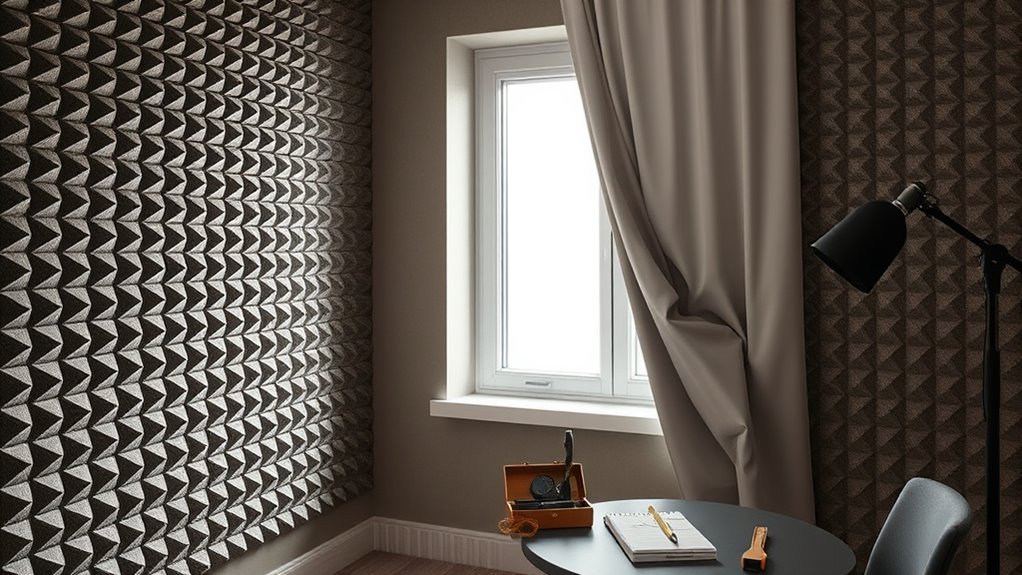
Many people believe that any thick or dense material can effectively block sound, but this isn’t always true. This is a common soundproofing myth that leads to material misconceptions. You might think that filling a room with heavy materials will eliminate noise, but density alone doesn’t guarantee soundproofing. For example, materials like concrete or mass-loaded vinyl are effective, but lightweight options like foam panels don’t block sound well, despite their thickness. The myth that thicker equals better can be misleading. Soundproofing depends on how materials absorb, dampen, or block sound waves, not just their weight. Additionally, understanding the composition of materials is essential to selecting the most effective soundproofing solutions. Understanding these material misconceptions helps you choose the right solutions instead of relying on false assumptions about what thick or dense materials can do.

Vinyl Basement Double Slider Window 32" x 18" Basement Window,Featuring Double-Pane Insulated with Thermal Insulation Soundproof Glass,Removable Sliding Windows with Screen Windows
- Insulated Double-Pane Glass: Thermal and soundproof insulation
- Vinyl Frame Material: Weather-resistant and durable
- Easy to Install: Pre-drilled holes for quick setup
As an affiliate, we earn on qualifying purchases.
As an affiliate, we earn on qualifying purchases.
The Reality Behind Soundproofing Walls and Partitions
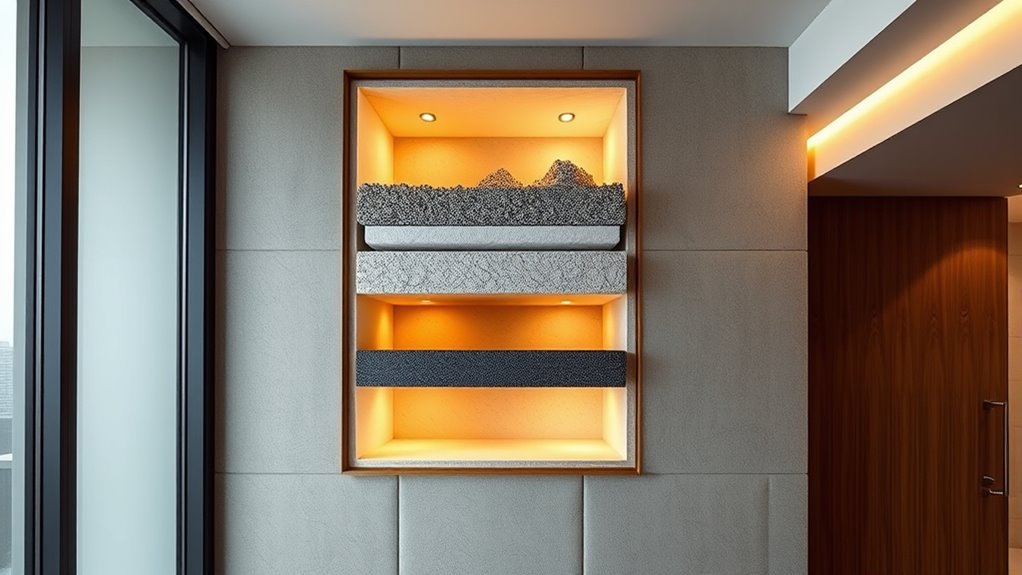
While choosing dense materials alone doesn’t guarantee soundproofing, understanding how walls and partitions are constructed can make a big difference. Effective acoustic design isn’t just about adding mass; it involves strategic placement, insulation, and decoupling. Walls built with drywall, insulation, and resilient channels can substantially reduce sound transmission. Keep in mind, interior decor choices like wall finishes also influence sound absorption. To clarify, here’s a quick comparison:
| Feature | Effect on Soundproofing |
|---|---|
| Dense materials | Reduce airborne noise |
| Decoupled framing | Minimize vibration transfer |
| Insulation in cavities | Absorbs sound waves |
| Wall thickness | Adds mass and reduces sound passage |
| Surface treatments | Enhance sound absorption and decor |
Achieving ideal soundproofing combines these elements with thoughtful interior decor and acoustic design. Additionally, understanding sound transmission pathways can help identify weak points and improve overall effectiveness.

Trademark Soundproofing Mass Loaded Vinyl 1lb – MLV Soundproofing for Wall Sound Barrier – Sound Insulation – Made in USA – 4' x 25' Covers 100 sf – Made in USA
- High STC Rating: 27 STC sound barrier
- Dense Rubberlike Material: 1/8 inch thick, 1 lb/sq ft
- Versatile Soundproofing: For walls, floors, ceilings
As an affiliate, we earn on qualifying purchases.
As an affiliate, we earn on qualifying purchases.
Separating Myths From Facts About Soundproofing Windows
Many people believe that installing thick curtains or sealing gaps alone will fully block noise from outside. However, these methods often fall short of providing complete soundproofing for your windows. Let’s clarify what really works and debunk common misconceptions. Proper wall organization systems and the use of specialized soundproofing materials are essential for effective noise reduction.
Common Misconceptions Debunked
There are several misconceptions about soundproofing windows that can lead to ineffective solutions. Many believe that simply adding mass or thicker glass will automatically block noise, which isn’t always true. Effective acoustic design balances multiple factors for ideal soundproofing without sacrificing aesthetics. Additionally, selecting the right soundproofing materials and installation techniques is crucial for achieving optimal results.
Common myths include:
- Heavier windows always mean better soundproofing
- Sealing gaps alone solves noise issues
- Soundproofing windows ruins the visual appeal
In reality, achieving good soundproofing involves a combination of materials and design strategies that maintain soundproofing aesthetics. It’s not just about blocking noise but doing so without compromising the window’s look or natural light. Understanding these misconceptions helps you choose solutions that are both functional and visually pleasing.
Effective Window Soundproofing
Understanding the realities of window soundproofing helps you avoid common pitfalls and select solutions that truly work. Double glazing is one of the most effective methods, as it creates a barrier that considerably reduces noise transmission. However, simply installing new windows isn’t enough—proper sealing is essential to prevent gaps. Acoustic curtains also play an essential role; they absorb sound waves and can be added as a temporary or supplementary solution. Many believe that windows alone can completely block noise, but this is a myth. Combining double glazing with acoustic curtains, along with sealing any leaks, maximizes soundproofing. To further enhance effectiveness, exploring innovative materials used in modern soundproofing solutions can provide additional benefits. Remember, no single fix guarantees complete silence, but a layered approach is your best strategy for noticeable noise reduction.

Audimute Soundproofing Acoustic Door Seal Kit – Door Sweep and Seal – (Large Size)
- Includes Door Seals and Sweep: 2 door seals and 1 door sweep
- Treats Up to 4 Doors: Suitable for four standard doors
- Blocks Sound Through Gaps: Reduces noise transfer around doors
As an affiliate, we earn on qualifying purchases.
As an affiliate, we earn on qualifying purchases.
The Truth About Soundproofing Floors and Ceilings

You might think that floors and ceilings are hard to soundproof, but understanding common noise sources is the first step. Effective insulation methods can considerably cut down on noise transmission, yet many myths about soundproofing overstate their impact. Let’s explore what really works and clear up some misconceptions. Recognizing trust issues can also play a role in addressing noise concerns, as emotional bonds and relationship patterns influence how we perceive and react to disruptions.
Common Floor Noise Sources
Have you ever wondered what causes the most noise on your floors? Common sources include a few unexpected culprits. Floor squeaks are often caused by loose or rubbing wood joints, which create creaks every time you walk. Carpet noise results from fibers rubbing against each other or the subfloor, especially if the carpet isn’t well-secured. Additionally, footsteps and furniture movement generate impact noise that travels through the floor structure. These sounds can be especially disruptive in multi-story buildings. To reduce these issues, you might consider adding padding under carpets or tightening loose floorboards. Understanding these common noise sources helps you target your soundproofing efforts more effectively, making your space quieter and more comfortable. Incorporating a high-quality soundproofing material can further help mitigate these noises and improve overall acoustic comfort.
Effective Ceiling Insulation Methods
Ceiling insulation plays a crucial role in reducing sound transmission between floors, but not all methods are equally effective. To improve soundproofing, consider installing dense materials like mineral wool or fiberglass insulation within the ceiling cavity. These materials absorb sound waves and prevent them from traveling upward. Acoustic panels can also be added directly to the ceiling surface to further dampen noise, especially in rooms prone to echo or external noise. Combining insulation with acoustic panels creates a layered barrier that markedly reduces sound transfer. Seal gaps and cracks around fixtures, vents, and lighting to maximize effectiveness. Remember, the key is to create a continuous soundproof barrier, ensuring no weak spots compromise your ceiling’s ability to block noise. Incorporating AI-driven technology can further optimize the soundproofing process by analyzing acoustic patterns and recommending the most effective materials and installation techniques.
Myths About Sound Transmission
Many people believe that soundproofing floors and ceilings is as simple as adding a layer of insulation or installing a few panels, but this isn’t always true. This common misconception stems from soundproofing myths that oversimplify how sound transmission works. In reality, effective soundproofing requires understanding transmission misconceptions and addressing the entire structure.
- Merely adding insulation often doesn’t block airborne or impact noise effectively
- Installing panels alone may not prevent sound leaks through gaps or joints
- Relying solely on mass without decoupling can still allow vibrations to pass through
- Understanding the role of sound vibrations is crucial for implementing comprehensive soundproofing solutions
Knowing the real factors involved helps you avoid false promises and achieve better soundproofing results. Don’t fall for transmission misconceptions—tackle soundproofing with a holistic approach.
Debunking Myths About DIY Soundproofing Techniques

While DIY soundproofing can seem straightforward and cost-effective, several common myths can lead you astray. Many believe that simple DIY techniques, like hanging blankets or installing foam panels, will completely block noise. However, soundproofing myths often overestimate what these methods can achieve. In reality, effective soundproofing requires understanding how sound travels and using materials with mass and density to absorb or block noise. Relying solely on lightweight or decorative solutions won’t cut it. It’s easy to fall into the trap of thinking you can DIY your way to perfect sound isolation, but in truth, professional solutions often deliver better results. Recognizing these misconceptions helps you set realistic expectations and avoid wasting time and money on ineffective DIY techniques. Additionally, understanding the importance of soundproofing basics can significantly improve your results and help you make informed decisions.
What You Need to Know About Mass, Density, and Sound Absorption

Understanding the roles of mass and density is key to effective soundproofing. Higher mass materials increase acoustic impedance, reducing sound wave reflection and helping block noise. Density determines how sound waves interact with surfaces; denser materials absorb more sound energy. To optimize sound absorption, consider:
- Using dense, heavy materials to increase mass and minimize sound transmission.
- Combining layers with different densities to disrupt sound wave reflection.
- Applying soft, porous materials that maximize sound absorption by trapping sound energy.
Understanding the Limitations of Soundproofing Solutions
Despite the effectiveness of certain soundproofing methods, it’s important to recognize their limitations. Soundproofing limitations mean no solution can completely eliminate all noise, especially in complex environments. You should set realistic expectations about what soundproofing can achieve. For example, adding insulation or mass may reduce noise but won’t block every sound entirely, particularly low-frequency noises. Structural gaps, vents, and shared walls can undermine your efforts, no matter how much you upgrade materials. Recognizing these constraints helps you avoid frustration and invest wisely. Soundproofing is about reducing noise levels, not total silence. Understanding these limits allows you to create a more accurate plan and avoid overestimating what your solutions can accomplish.
Practical Tips for Effective Soundproofing Based on Facts
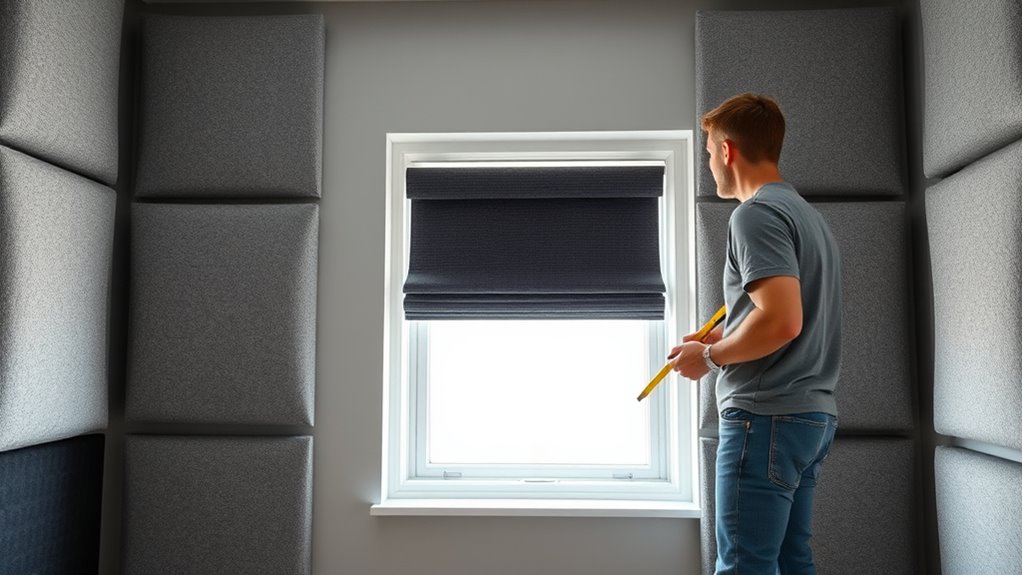
To get the most out of your soundproofing efforts, applying practical strategies rooted in facts can make a significant difference. Knowing soundproofing myths versus soundproofing facts helps you avoid wasting time and money. Focus on these proven tips:
- Seal gaps and cracks around doors and windows to block air and sound leaks.
- Use dense, mass-loaded materials like drywall or acoustic panels to absorb sound effectively.
- Remember that adding multiple layers of material can improve soundproofing, but don’t rely solely on decoupling techniques.
Stay skeptical of exaggerated claims and always verify with reliable sources. Soundproofing facts show that consistent, targeted efforts yield better results than quick fixes based on myths. With these practical tips, you’ll create a quieter, more peaceful space.
Frequently Asked Questions
Can Soundproofing Completely Eliminate All Noise?
Soundproofing can’t completely eliminate all noise due to its limitations, but it can markedly reduce noise leakage. You won’t achieve total silence, but by addressing common soundproofing limitations, like gaps and weak points, you can improve noise leakage reduction. Focus on sealing cracks, adding mass, and using sound-absorbing materials to make a noticeable difference. Remember, perfect soundproofing is challenging, but effective noise reduction is definitely possible.
Are Expensive Materials Always More Effective for Soundproofing?
You might think expensive materials always deliver better soundproofing, but that’s not true. Cost vs. efficiency varies, and sometimes, affordable options work just as well when paired with proper installation. Remember, material durability matters—cheap materials can wear out faster, reducing effectiveness. So, don’t assume higher prices guarantee better results. Instead, focus on choosing the right materials for your needs and budget, ensuring long-lasting, effective soundproofing.
How Long Does It Take to See Results After Installation?
You’ll typically see noise reduction results within a few days to a week after installation, depending on the materials used and the installation timeline. Once the soundproofing is properly installed, you may notice a significant difference in noise levels almost immediately, but it can take some time for the full effects to become apparent. Patience is key, as the best results often emerge gradually over the first week or two.
Is Soundproofing Effective Against Low-Frequency Sounds?
You might find that soundproofing is less effective against low-frequency sounds like bass frequencies and low-end noise. These deep sounds easily travel through walls and floors, making them harder to block. To improve results, you need specialized materials like mass-loaded vinyl or acoustic panels designed for low-frequency absorption. While standard soundproofing can help, it’s often not enough alone to fully silence these deep, powerful sounds.
Can Existing Structures Be Soundproofed Without Major Renovations?
Yes, you can soundproof existing structures without major renovations. You should explore retrofitting techniques like adding mass-loaded vinyl, installing acoustic panels, or sealing gaps with weatherstripping. DIY solutions such as hanging heavy curtains or using door draft stoppers can also help reduce noise. These approaches are cost-effective and non-invasive, making it easier to improve soundproofing without extensive construction work.
Conclusion
Now that you’ve uncovered the truths behind soundproofing, you can confidently tackle your projects with facts in mind. Imagine the quiet evenings ahead, where noise no longer interrupts your peace. By separating myths from reality, you’re better equipped to choose the right solutions. It’s almost like discovering a secret to serenity—your home’s new soundproofing journey starts with understanding what truly works. Silence is within reach, and now, you hold the key.