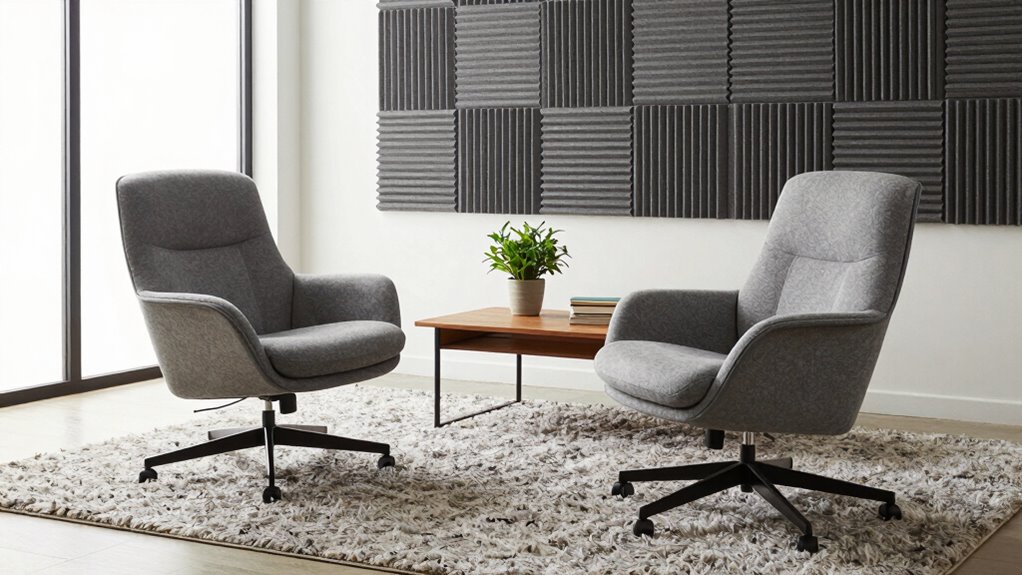

To plan your audio before buying seating and furniture, start by considering your room’s layout and acoustics. Use soundproofing techniques like carpets, curtains, and wall panels to reduce echo and noise. Position speakers at ear level and angle them toward your preferred listening spot, keeping them away from walls. Arrange furniture to avoid blocking sound paths and create a clear sound environment. For the best results, test and adjust your setup—more tips await to help you optimize your space.
Key Takeaways
- Assess room acoustics and consider soundproofing to create a controlled environment before selecting furniture.
- Position speakers at ear level and angle toward the listening spot to optimize sound clarity.
- Arrange seating in the “sweet spot” for balanced audio experience and avoid blocking sound paths.
- Place large furniture away from speakers to prevent reflections and sound absorption issues.
- Test and adjust speaker angles, distances, and seating positions prior to final furniture placement.
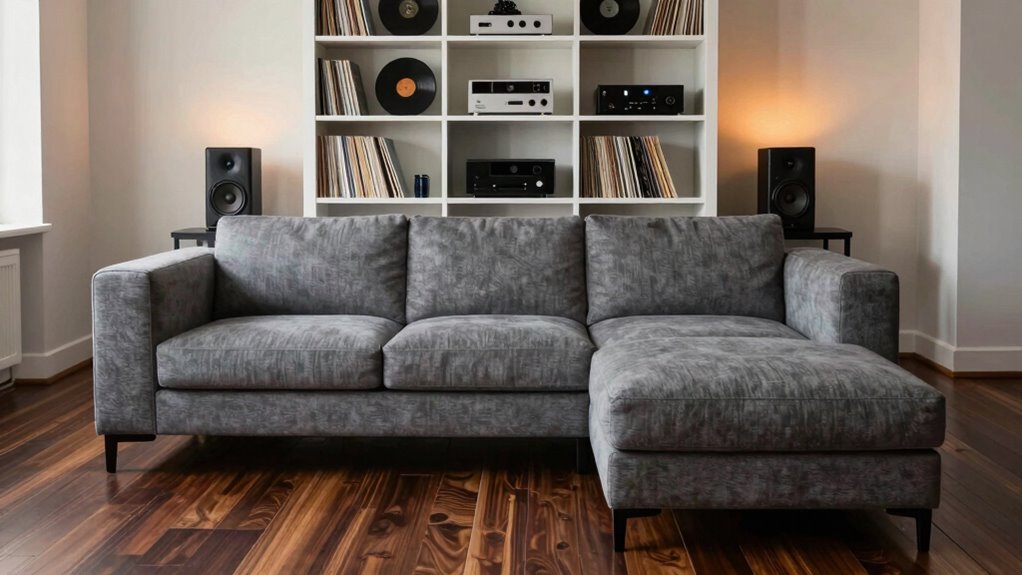
Before you start shopping for seating and furniture, it’s vital to plan your audio setup to guarantee a seamless experience. The way you arrange your space directly impacts sound quality, so considering soundproofing techniques and speaker placement strategies early on can save you headaches later. First, evaluate your room’s layout and identify potential sound issues. Thick carpets, curtains, and wall panels can absorb excess noise, reducing echoes and improving clarity. These soundproofing techniques help create a controlled environment where audio sounds rich and clear, free from outside disturbances or internal echoes.
Plan your audio setup first to optimize sound quality and prevent future frustrations.
Next, focus on your speaker placement strategies. Proper positioning is essential for balanced sound distribution. You want your speakers at ear level when seated, angled toward your listening position, and spaced evenly to avoid dead spots or distortion. If you’re setting up a home theater or a music listening room, consider the room’s dimensions and shape. Symmetrical placement often yields better sound imaging, making it feel as if the audio is coming from around you rather than from specific speakers. Avoid placing speakers directly against walls, as this can cause reflections that muddy the sound. Instead, try to position them a few inches away from surfaces to reduce unwanted vibrations and reflections.
When planning your seating, think about how it interacts with your speakers. You should sit in the ideal listening spot—often called the “sweet spot”—where sound waves converge for the best experience. Your furniture placement should complement your speaker arrangement without blocking sound paths. Avoid placing large pieces of furniture directly in front of or behind speakers, which can cause sound absorption or reflection issues. Also, consider how your seating height relates to your speakers; chairs or sofas at the right height ensure you’re not sitting too high or low, which can distort the audio experience. Additionally, using acoustic treatments such as bass traps or diffusers can further improve your room’s sound quality by managing sound reflections more effectively.
Furthermore, understanding the importance of speaker placement and soundproofing techniques can significantly improve your listening environment. Incorporating soundproofing materials into your room design can further enhance acoustic quality by minimizing external noise and internal echoes. Properly managing room acoustics can make a remarkable difference in your overall sound experience. Finally, test your setup before committing to furniture choices. Once your speakers are placed and soundproofing techniques are in place, sit in your preferred listening spot and listen carefully. Adjust speaker angles, distances, and your seating position as needed to optimize sound projection. Taking the time to plan your audio layout meticulously ensures that your furniture and seating will enhance, rather than hinder, your listening experience. This strategic approach guarantees that once you do buy, your space is perfectly tailored for immersive, high-quality sound.

Focusound 52 Pack Acoustic Foam Panels 1" x 12" x 12" Sound Proof Foam Panles Soundproofing Noise Cancelling Wedge Panels for Home Office Recoding Studio with 300PCS Double-Side Adhesive
- Soundproofing Design: Triangular grooves for noise absorption
- Includes Adhesive Tape: 300pcs double-sided adhesive for easy installation
- Easy Shape Recovery: Soak in water to restore foam shape
As an affiliate, we earn on qualifying purchases.
As an affiliate, we earn on qualifying purchases.
Frequently Asked Questions
How Do I Determine the Best Speaker Placement for My Space?
You should start by placing your speakers at ear level, forming an equilateral triangle with your seating for ideal sound. Use acoustic treatments to manage reflections and soundproofing techniques to prevent sound leakage. Experiment with positioning by moving speakers slightly and listening for the best stereo image. Avoid placing speakers near walls or corners, as this can cause bass build-up and muddy sound, hindering overall audio clarity.
What Materials Affect Sound Quality in Seating and Furniture?
Material selection considerably impacts sound quality because different materials have unique acoustic properties. Soft fabrics like velvet or plush absorb sound, reducing echoes, while hard surfaces like wood or metal reflect sound, potentially causing unwanted reverberations. When choosing seating and furniture, opt for materials with good acoustic properties that complement your space. This helps create a balanced sound environment, making your audio experience clearer and more enjoyable.
How Can I Reduce Noise Interference in My Audio Setup?
Did you know noise interference can reduce audio clarity by up to 50%? To cut down on it, you should use soundproof curtains and install acoustic panels in your space. Soundproof curtains block external noise, while acoustic panels absorb sound reflections, creating a cleaner audio environment. Combine both, and you’ll notice a significant improvement in sound quality, making your setup more immersive and enjoyable.
What Are the Latest Trends in Audio-Compatible Furniture Design?
You’ll notice that the latest trends in audio-compatible furniture focus on wireless integration and ergonomic comfort. Modern designs incorporate built-in Bluetooth or Wi-Fi features, allowing seamless connection to your devices without clutter. Ergonomically, furniture prioritizes support and adjustability, ensuring comfort during extended use. These trends create a sleek, functional space where sound quality and user comfort blend effortlessly, making your audio experience more immersive and convenient.
How Do I Balance Aesthetics and Acoustic Performance?
Like a modern-day Renaissance fair, balancing aesthetics and acoustic performance requires harmony. You should prioritize soundproofing strategies that blend seamlessly with your décor while considering acoustic treatment options to enhance sound quality. Use stylish furniture with built-in sound-absorbing materials or decorative panels that complement your space. Focus on achieving visual appeal without compromising sound clarity, creating a cozy, functional environment that looks good and sounds even better.

PERLESMITH Universal Speaker Stands for Surround Sound -Height Adjustable Extend 33.3”to 45.1”, Floor Speaker Stand for Satellite & Studio & Bookshelf Speakers up to 11LBS,1 Pair Black, PSSS2
- Wide Compatibility: Fits most small bookshelf and satellite speakers
- Adjustable Height: Range from 33.3" to 45" for optimal sound
- Tool-Free Height Adjustment: Twist-lock design for quick setup
As an affiliate, we earn on qualifying purchases.
As an affiliate, we earn on qualifying purchases.
Conclusion
By planning your audio setup before choosing seating and furniture, you create a space where sound and comfort harmonize. Imagine a cozy room filled with perfect acoustics, yet lacking the inviting embrace of the right furniture. Now picture your ideal environment—where every seat enhances sound quality and every piece invites relaxation. When you prioritize audio first, you craft a sanctuary that’s both immersive and warm, transforming ordinary rooms into extraordinary retreats for your senses.

8 Pack – Bass Traps Acoustic Foam Corner, 8''x8''x12'' Black Bass Traps Corner Studio Foam, High Density and Fire-Proof Acoustic Panels Recording Studio Acoustical Treatments
- Acoustic Principle: Absorbs low-frequency standing waves
- Application Areas: Suitable for studios, theaters, and offices
- Material & Safety: High-density, fire-retardant, eco-friendly foam
As an affiliate, we earn on qualifying purchases.
As an affiliate, we earn on qualifying purchases.
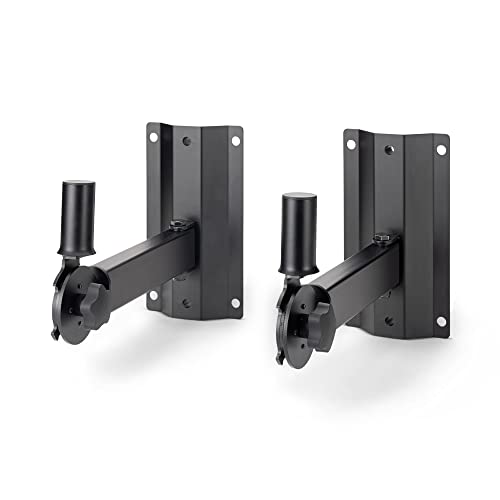
OnStage On Stage SS7322B Adj Wall Mount Spkr Bracket, Pair
- Includes Pair of Brackets: Supports two speakers for stereo or mono sound
- Heavy-Duty Steel Construction: Ensures reliable weight support and durability
- Adjustable Support Arm: Swivels 30° left/right for sound direction
As an affiliate, we earn on qualifying purchases.
As an affiliate, we earn on qualifying purchases.