
TL;DR
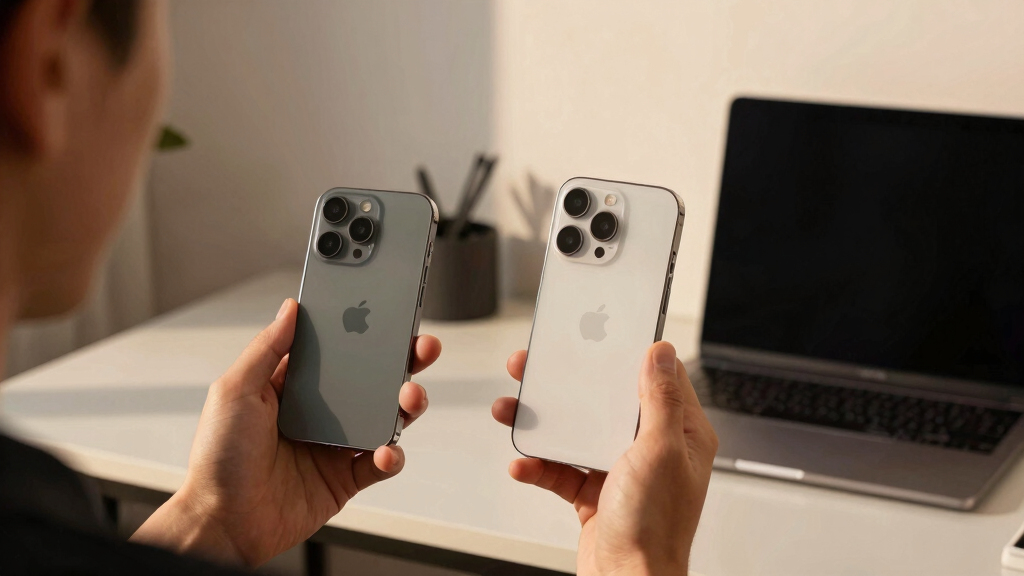
Leaked information indicates the iPhone 18 Pro might be considerably thicker than the iPhone 17 Pro. This development could impact design, battery capacity, and user experience. The exact reasons for the change are still unclear.

Get business pricing on your home office setup
- Business-only prices and quantity discounts
- Tax-exempt purchasing
- Multiple users, one account, clear invoices
Implications of Increased Thickness for Users and Design
The potential increase in thickness for the iPhone 18 Pro could influence user handling, pocketability, and overall aesthetics. It may also reflect internal hardware improvements, such as larger batteries, which could extend battery life. For consumers, this change might be a trade-off between device portability and performance enhancements. Industry experts suggest that such a shift indicates Apple is prioritizing battery capacity or new hardware features, which could impact the device’s weight and usability. This development might also influence competitors’ design choices as they respond to Apple’s evolving hardware strategy.Products Worth Considering

eufy Baby Monitor E21 with 4K UHD Camera and 5-Inch 720p Screen

eufy Security SoloCam S340 3K Dual-Lens Solar Security Camera

Ring Battery Doorbell Plus (2nd Gen) and Chime Plus Bundle, Nickel Silver and White
As an affiliate, we earn on qualifying purchases.
Previous iPhone Design Trends and Hardware Changes
Apple’s iPhone series has traditionally maintained a relatively consistent design language, with incremental changes in thickness and weight over the years. The iPhone 17 Pro, released in September 2023, marked a refinement rather than a radical redesign. Historically, Apple has increased device thickness to accommodate larger batteries or new features, such as camera modules or hardware components. Recent leaks and rumors about the iPhone 18 Pro suggest a departure from the previous trend, possibly signaling a focus on internal hardware upgrades. The leak from MacRumors is among the first indications of a substantial change in device dimensions for the upcoming model, although Apple has not officially commented.“The iPhone 18 Pro is expected to be noticeably thicker than the iPhone 17 Pro, though specific measurements are not yet confirmed.”
— leaked source from MacRumors
Unconfirmed Details and Potential Variations in Design
It is not yet confirmed how much thicker the iPhone 18 Pro will be or what specific hardware changes are driving this increase. Apple has not officially announced any design specifications, and leaks may vary or be inaccurate. The impact on weight, handling, and user experience remains speculative at this stage.Upcoming Official Announcements and Further Leaks
Apple is expected to officially announce the iPhone 18 series in September 2024. Additional leaks and industry reports are likely to emerge in the coming months, clarifying the device’s design and hardware specifications. Consumers and industry observers will watch for official confirmation and detailed specifications closer to the launch event.Key Questions
Why might the iPhone 18 Pro be thicker than the iPhone 17 Pro?
Leaked information suggests the increased thickness could be due to larger batteries or new internal hardware components aimed at improving performance and battery life.
Will the increased thickness affect the phone’s portability?
Potentially. A thicker device might be less pocket-friendly but could offer benefits like longer battery life or enhanced hardware features.
Has Apple confirmed these design changes?
No, Apple has not officially confirmed the thickness or specific hardware changes for the iPhone 18 Pro. The information is based on leaks and rumors.
When will Apple reveal the official specifications?
Apple is expected to announce the iPhone 18 series in September 2024, with official details likely to be released at that time.
Could this change impact the price of the iPhone 18 Pro?
It is uncertain. Hardware upgrades and design changes can influence pricing, but no official pricing details have been announced yet.
Source: google-trends