TL;DR

Get business pricing on your home office setup
- Business-only prices and quantity discounts
- Tax-exempt purchasing
- Multiple users, one account, clear invoices
Rising public concern about smart TVs being used for spying has led to increased coverage and interest. Experts confirm there are practical steps consumers can take to protect their privacy, though some details remain uncertain.
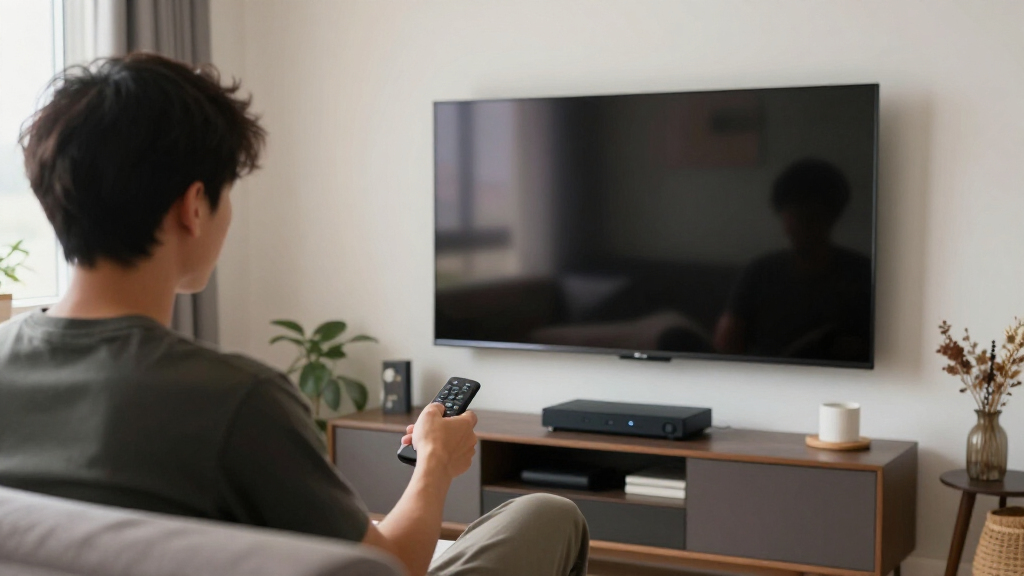
Consumers can take confirmed steps to protect their privacy from potential spying through smart TVs, as public concern about device security and data collection grows. Experts emphasize that while some risks are real, there are practical measures users can implement now to safeguard their personal information.
Recent coverage has highlighted the possibility that smart TVs may collect and transmit user data without explicit consent, raising privacy concerns among consumers and regulators alike. Security researchers and privacy advocates confirm that certain smart TV features, such as voice recognition and data sharing with manufacturers, can be exploited for surveillance if not properly managed.
Several proven methods exist for users to reduce these risks. These include disabling voice recognition features, turning off data sharing settings, disconnecting the device from the internet when not in use, and covering or disconnecting cameras if present. Manufacturers often provide options to limit data collection, but these are not always enabled by default. Experts recommend reviewing device settings carefully and consulting user manuals for privacy controls.
While some claims about smart TV spying are exaggerated, the consensus among security professionals is that users should treat these devices as potentially vulnerable and take proactive steps. It remains unclear whether all smart TVs are equally at risk, or if specific brands or models are more targeted than others.
Why Protecting Your Privacy from Smart TVs Matters
The increasing integration of smart TVs into homes means more personal data could be accessible to third parties, including manufacturers, advertisers, or malicious actors. Unauthorized data collection can include viewing habits, voice commands, and even live video feeds if cameras are present. Protecting oneself from potential spying is essential to maintain privacy and prevent misuse of personal information. As coverage on this topic grows, awareness of these risks is likely to influence consumer choices and push for stronger regulations on device security and data handling.
Products Worth Considering

Philips Hue White and Color Ambiance A19 Smart Bulb Starter Kit, 2-Pack

Levoit Core 400S-P Smart Air Purifier for Large Rooms (Up to 1,718 sq ft)

Philips Hue Festavia 130-Foot Indoor/Outdoor Smart String Lights, 500 Color-Changing LEDs
As an affiliate, we earn on qualifying purchases.
Rising Public Concern About Smart TV Privacy Risks
The concern over smart TV privacy has been building over recent years, with reports of devices collecting data beyond what users expect. A surge in media coverage and online discussions has increased public awareness, especially as more households adopt connected devices. Although there is no confirmed widespread spying incident, the trend signals a growing recognition of potential vulnerabilities. Experts note that the trigger for current coverage appears to be increased scrutiny of device data practices, though specific incidents or disclosures remain unconfirmed.
Unconfirmed Scope and Severity of Smart TV Spying
It is not yet clear how widespread or targeted the spying risks are across different smart TV models and brands. While some security experts confirm potential vulnerabilities, there is no verified evidence of large-scale surveillance or data breaches involving these devices. The extent of manufacturer cooperation with third parties or government agencies remains unknown, and whether specific settings are being exploited is still under investigation. Further research and disclosures are needed to clarify the full scope of the issue.
Next Steps for Consumers and Regulators
Consumers are advised to review and adjust their smart TV privacy settings, disable unnecessary features, and stay informed about updates from manufacturers. Regulators and industry groups may increase scrutiny of data collection practices and enforce stricter privacy standards. Future developments could include new security guidelines, software updates, and consumer education campaigns aimed at reducing surveillance risks. Monitoring ongoing investigations and official disclosures will be essential to understanding the full scope of these risks.
Key Questions
Can my smart TV secretly record everything I watch?
While some smart TVs have features that could potentially collect viewing data, there is no confirmed evidence that all devices are secretly recording everything. Users can reduce risks by disabling data sharing and voice recognition features.
How do I know if my smart TV is spying on me?
Check your device settings for options related to voice recognition, data sharing, and camera access. Review the user manual or manufacturer’s website for privacy controls. Disconnect or cover cameras if present and not in use.
Are certain brands more vulnerable than others?
It is currently unclear whether some brands are more targeted or vulnerable. Experts recommend reviewing privacy options on all smart TVs and applying best practices regardless of brand.
Is disconnecting my smart TV from the internet a good privacy measure?
Yes, disconnecting your TV from the internet can significantly reduce data collection and potential spying, but it also limits functionality. Consider disconnecting when not actively using online features.
Will manufacturers improve privacy protections in the future?
There is growing pressure from regulators and consumers for better privacy safeguards, which may lead to improved default settings and transparency in future device updates.
Source: rss