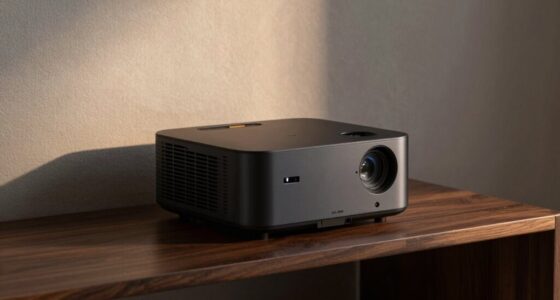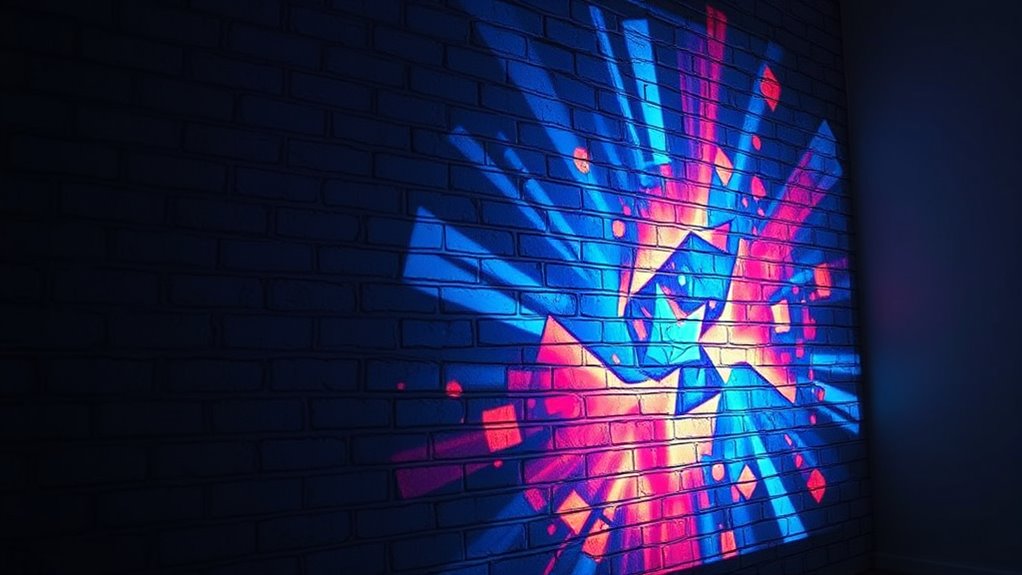

Projection surfaces now go beyond traditional screens, including walls, textured materials, and even unconventional objects. You can transform architectural surfaces into dynamic displays through projection mapping or use textured surfaces like painted walls or irregular objects as canvases for immersive art and storytelling. These alternatives create engaging environments that respond to viewer interaction and blur the lines between art and space. If you continue exploring, you’ll uncover even more innovative ways to expand your visual experiences.

Get business pricing on your home office setup
- Business-only prices and quantity discounts
- Tax-exempt purchasing
- Multiple users, one account, clear invoices
Key Takeaways
- Projection surfaces now include architectural facades, textured walls, and irregular objects, expanding beyond traditional screens.
- Projection mapping transforms buildings and surfaces into dynamic, animated displays for artistic or branding purposes.
- Artists utilize unconventional surfaces like paint, textured walls, and 3D objects to create immersive visual experiences.
- Interactive projections can respond to viewer presence, morphing surfaces and environments in real-time.
- Technological advances, such as AI-driven projection systems, enhance realism and enable more versatile, integrated display options.
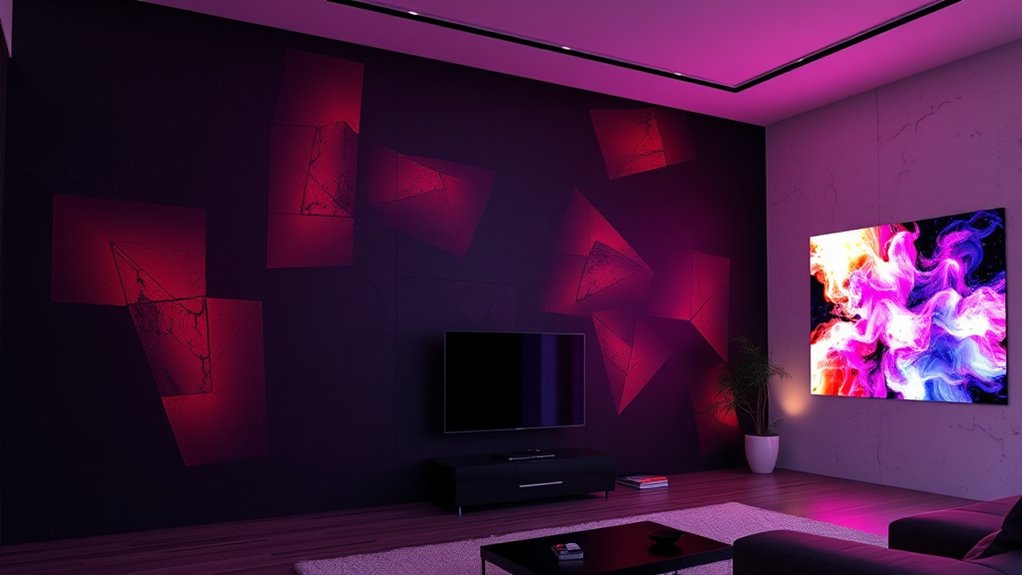
As technology advances, projection surfaces are expanding far beyond traditional screens, transforming how you experience visual content. No longer confined to flat monitors or movie theaters, projections now seamlessly blend into architectural environments and artistic spaces. This shift allows you to see how projections can become an integral part of a building’s design or an immersive art installation, creating dynamic environments that captivate and engage. One of the most exciting developments is architectural integration, where projection mapping is used to enhance or transform building facades. Instead of viewing a structure as a static object, you now see it come alive with animated visuals that highlight architectural details or convey storytelling. This approach not only elevates the aesthetic appeal but also offers a versatile means of communication for events, branding, or public art. You might observe a historic building being projected with vibrant patterns that emphasize its features, or a modern structure transformed into a canvas for abstract art. These projections are carefully aligned with the architecture, turning ordinary surfaces into extraordinary displays. Artistic installations have also embraced unconventional projection surfaces, expanding the boundaries of visual expression. Artists intentionally select walls, textured surfaces, or even irregular objects as canvases, creating immersive experiences that challenge traditional notions of art. These installations often utilize projection techniques that adapt to surface irregularities, making the visuals appear integrated and natural. As a result, you’re invited into spaces where the boundary between art and environment blurs, offering a unique sensory journey. Paint, textured surfaces, and even three-dimensional objects become part of the artistic narrative, allowing for innovative storytelling. This approach provides flexibility in design, enabling creators to craft site-specific experiences that resonate deeply with viewers. When projections are integrated into architecture or used as artistic installations, they do more than just display images—they transform spaces into interactive environments. You might find yourself walking through a building where the walls shift and morph through projection, or standing in front of an art piece that dynamically changes with your presence. This versatility is what makes projection surfaces beyond screens so compelling, opening limitless possibilities for creativity and communication. Additionally, advancements in AI-powered projection technology are enhancing the precision and realism of these visual displays, further expanding their potential. As the technology continues to evolve, so does the potential for these surfaces to redefine how you perceive and interact with visual content. Whether for public art, commercial displays, or immersive experiences, the integration of projections into architectural and artistic contexts is reshaping your visual landscape, making it more vibrant and engaging than ever before.
projection mapping projector for building facades
As an affiliate, we earn on qualifying purchases.
As an affiliate, we earn on qualifying purchases.
Frequently Asked Questions
What Are the Most Durable Materials for Wall Projection Surfaces?
You should choose materials like high-quality painted drywall or specialized projection fabric for durability and longevity. These options resist wear and tear better than standard surfaces, ensuring consistent image quality over time. Consider textured or coated surfaces that withstand frequent use, as durability considerations are key for long-term performance. By selecting sturdy, well-maintained materials, you’ll enjoy a reliable projection surface that maintains clarity and resists damage.
How Do Paint-Based Projection Surfaces Compare to Traditional Screens?
Paint-based projection surfaces, or wall coatings, often provide a versatile and cost-effective alternative to traditional screens. They offer broader coverage and can be customized to fit your space, but may lack the uniformity and brightness of specialized screens. While paint projection can deliver decent image quality, it usually doesn’t match the clarity and contrast of dedicated projection screens. Consider your environment and needs when choosing between paint projection and traditional screens.
Can Outdoor Walls Be Effectively Used as Projection Surfaces?
Yes, outdoor walls can be effectively used as projection surfaces if you choose weatherproof options. Focus on outdoor wall durability by selecting surfaces designed for weather resistance, like specialized paint or materials that withstand moisture and temperature changes. Guarantee the surface is smooth and clean for clear images. Properly prepared outdoor walls can provide a cost-effective, large-scale, and versatile projection surface for outdoor events or displays.
What Are the Benefits of Using Textured Walls for Projection?
Using textured walls for projection offers unique benefits. The wall’s texture enhances wall aesthetics, creating a more immersive and visually appealing experience. Additionally, textured surfaces can provide acoustic enhancement by diffusing sound, reducing echo and improving audio clarity during presentations or entertainment. This dual benefit makes textured walls a practical and stylish choice for projection, elevating both the visual impact and acoustic quality of your space.
Are There Eco-Friendly Options for Alternative Projection Surfaces?
Imagine you’re in a sci-fi movie, but instead of alien technology, you opt for eco-friendly projection surfaces. You can choose biodegradable materials or recycled surfaces, making your setup sustainable. These options reduce waste and environmental impact, giving you a green way to create immersive displays. By selecting eco-conscious alternatives, you support sustainability while enjoying vibrant projections—it’s like blending the future with Mother Earth’s needs.
interactive projection surface for art installations
As an affiliate, we earn on qualifying purchases.
As an affiliate, we earn on qualifying purchases.
Conclusion
As you explore alternative projection surfaces like walls and paint, you’ll discover richer, more immersive visuals that go beyond traditional screens. Did you know that using wall projections can increase viewer engagement by up to 30%? Embrace these innovative options to transform spaces and captivate your audience, making every projection a truly immersive experience. So, next time you plan a display, consider stepping beyond screens—you’ll be amazed at what’s possible.
As an affiliate, we earn on qualifying purchases.
3D object projection mapping device
As an affiliate, we earn on qualifying purchases.
As an affiliate, we earn on qualifying purchases.
Halloween Picks
halloween
As an affiliate, we earn on qualifying purchases.