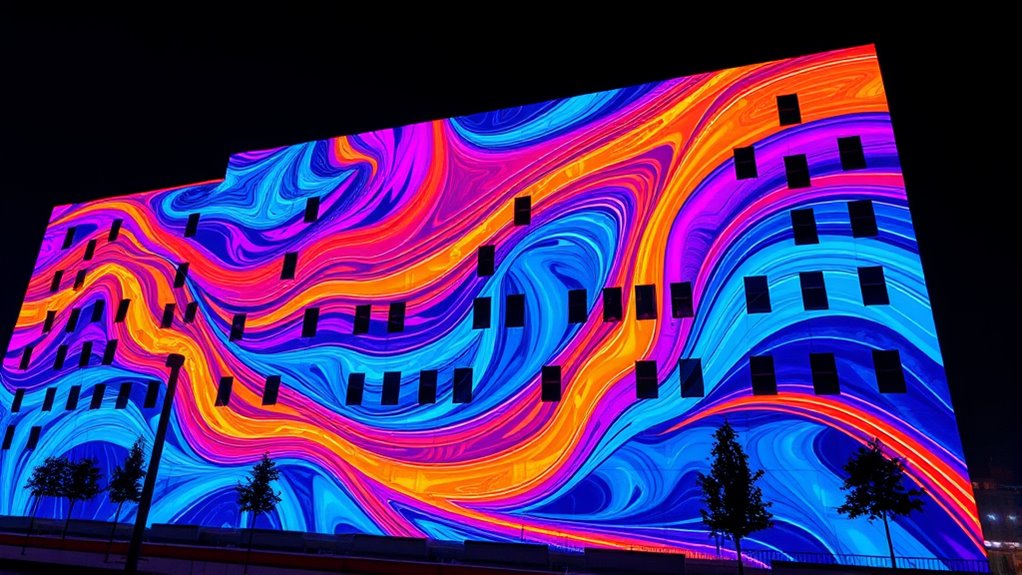

Choosing the right projection mapping resource can significantly impact your ability to create stunning visual displays. For those just starting out, Projection Mapping 101: Creating Immersive Visual Experiences offers a straightforward introduction, focusing on foundational techniques and best practices. Conversely, Advanced Projection Mapping: Step-by-Step Guide to Real-Time Systems, Interactive Design, and Building Immersive Environments with MadMapper & TouchDesigner caters to experienced artists seeking in-depth technical guidance on cutting-edge tools. While the beginner book simplifies concepts and avoids technical jargon, the advanced guide dives deep into complex software workflows, making each a better fit for different skill levels and project ambitions. Both have tradeoffs: the beginner book lacks technical detail, whereas the advanced manual demands prior knowledge and can be overwhelming for newcomers.

Get business pricing on your home office setup
- Business-only prices and quantity discounts
- Tax-exempt purchasing
- Multiple users, one account, clear invoices
Complete the kit


Key Takeaways
- The beginner book excels in practical tips and foundational knowledge but lacks detailed technical content.
- The advanced guide offers comprehensive, step-by-step instructions for professionals and experienced artists.
- Both resources are valuable, but your choice depends on your current skill level and project complexity.
- Technical depth and ease of use are the main tradeoffs between these two options.
- Understanding your own familiarity with software like MadMapper and TouchDesigner is key to selecting the right book.
| Projection Mapping 101: Creating Immersive Visual Experiences |  | Best for Beginners and Enthusiasts | Format: Print and eBook | Target Audience: Beginners and enthusiasts | Content Focus: Basic techniques, best practices | VIEW ON AMAZON | See Our Full Breakdown |
| Advanced Projection Mapping: Step-by-Step Guide to Real-Time Systems, Interactive Design, and Building Immersive Environments with MadMapper & TouchDesigner |  | Best for Experienced Artists and Technical Users | Format: Digital PDF and print | Target Audience: Pro artists and advanced users | Content Focus: Real-time systems, interactive design | VIEW ON AMAZON | See Our Full Breakdown |
| projection mapping software | Format | Target Audience | Content Focus | Price Range |
|---|---|---|---|---|
| Projection Mapping 101: Creati | Print and eBook | Beginners and enthusiasts | Basic techniques, best practices | $20–$40 |
| Advanced Projection Mapping: S | Digital PDF and print | Pro artists and advanced users | Real-time systems, interactive design | Varies, typically $30–$60 |
More Details on Our Top Picks
Projection Mapping 101: Creating Immersive Visual Experiences
This book is an excellent starting point for newcomers interested in projection mapping. It provides a clear, accessible overview of techniques, tools, and best practices, making complex concepts approachable. Compared with the advanced guide, it emphasizes foundational skills without overwhelming readers with technical jargon. However, its lack of detailed specifications and multimedia content means it may fall short for those seeking in-depth technical insights or software-specific workflows. Still, for those new to projection mapping, this resource offers a solid, practical foundation.
Pros:- Comprehensive introduction to projection mapping concepts
- Practical tips suitable for newcomers
- Accessible language and clear explanations
- Focus on creating engaging visual experiences
Cons:- Lacks detailed technical specifications
- No multimedia or interactive content
- Limited depth for advanced users
Best for: Beginners, hobbyists, and educators
Not ideal for: Experienced artists looking for advanced techniques or software-specific guides
- Format:Print and eBook
- Target Audience:Beginners and enthusiasts
- Content Focus:Basic techniques, best practices
- Author:Projection Mapping Experts
- Software Coverage:General, no specific tools
- Price Range:$20–$40
Our verdict“A perfect starting point for beginners eager to understand core projection mapping principles.”
Advanced Projection Mapping: Step-by-Step Guide to Real-Time Systems, Interactive Design, and Building Immersive Environments with MadMapper & TouchDesigner
This guide caters to those with a solid foundation in projection mapping who want to push their skills further. Its detailed, step-by-step instructions on real-time systems, interactive designs, and using tools like MadMapper and TouchDesigner make it ideal for professionals or serious hobbyists. Compared with the beginner book, it offers much deeper technical content, including complex workflows and software integration. However, its dense, technical language and requirement for prior knowledge can be daunting for newcomers. If you’re aiming for immersive, interactive projects and already understand basic projection concepts, this manual is an invaluable resource.
Pros:- In-depth coverage of advanced techniques
- Practical, step-by-step instructions
- Focus on real-time, interactive systems
- Covers popular tools like MadMapper and TouchDesigner
Cons:- Requires prior knowledge of related software
- No specific price or rating info provided
- Technical complexity may overwhelm beginners
Best for: Experienced artists, interactive designers, and technical creators
Not ideal for: Beginners or those seeking a simple introduction
- Format:Digital PDF and print
- Target Audience:Pro artists and advanced users
- Content Focus:Real-time systems, interactive design
- Tools Covered:MadMapper, TouchDesigner
- Prerequisites:Basic understanding of projection mapping software
- Price Range:Varies, typically $30–$60
Our verdict“A comprehensive, technical manual best suited for experienced projection mapping artists seeking mastery.”

How We Picked
Our selection process focused on the clarity, depth, and practical value of each resource. We prioritized books that clearly differentiate between beginner and advanced audiences, assessed their coverage of essential techniques, and considered user feedback about their effectiveness. Technical content, ease of understanding, and relevance to current tools like MadMapper and TouchDesigner played critical roles in our evaluation. The goal was to find resources that help creators at different stages of their projection mapping journey make informed choices and develop their skills efficiently.
| projection mapping software | Format | Target Audience | Content Focus | Price Range |
|---|---|---|---|---|
| Projection Mapping 101: Creati | Print and eBook | Beginners and enthusiasts | Basic techniques, best practices | $20–$40 |
| Advanced Projection Mapping: S | Digital PDF and print | Pro artists and advanced users | Real-time systems, interactive design | Varies, typically $30–$60 |
Factors to Consider When Choosing Projection Mapping Software
Picking the right projection mapping resource depends on your current skill level, project goals, and preferred tools. Whether you’re a beginner eager to grasp fundamental concepts or an experienced artist aiming to master complex systems, understanding the scope and depth of each guide is key. Your choice should align with your technical background, the complexity of projects you plan to undertake, and the software ecosystem you want to learn.
Assess Your Experience Level
If you’re new to projection mapping, start with foundational books that explain core concepts clearly and avoid overly technical content. For seasoned artists, look for resources that delve into real-time systems, interactive design, and specific software tools to enhance your capabilities.
Identify Your Software and Tool Preferences
Many advanced guides focus on popular tools like MadMapper and TouchDesigner. If you already use or plan to learn these, choosing a guide that covers them in depth will save you time and help you develop practical skills quickly. Beginners may not need such software-specific guidance initially.
Consider the Depth of Content
Evaluate whether you prefer a straightforward, broad overview or an in-depth, technical manual. The beginner book simplifies techniques for immediate application, while the advanced guide offers detailed workflows for complex, professional projects.
Frequently Asked Questions
What is projection mapping software?
Projection mapping software enables users to design and control visual displays that align precisely with physical surfaces. It handles tasks like warping images, blending multiple projectors, and creating interactive effects, transforming ordinary objects into immersive visual environments.
Do I need prior experience to use advanced projection mapping guides?
Yes, most advanced guides assume you have a basic understanding of projection mapping concepts and some familiarity with software tools like MadMapper or TouchDesigner. If you’re a complete beginner, starting with foundational resources will make the advanced content more accessible and easier to implement.
Can these books help me create interactive installations?
Absolutely. The advanced guide, in particular, focuses on real-time systems and interactive design, making it suitable for artists aiming to develop immersive, interactive environments. The beginner book provides a good starting point but may not cover the technical depth needed for complex interactivity.
Are these resources software-specific?
The beginner book offers general principles applicable across many tools but does not focus on specific software. The advanced guide is tailored toward MadMapper and TouchDesigner, providing step-by-step instructions for these platforms, which is advantageous if you plan to work within those environments.
How do I choose between a beginner and an advanced book?
Your choice should depend on your current skill level and project ambitions. Beginners should start with accessible, concept-focused guides that build foundational knowledge. More experienced users seeking to develop complex, real-time, or interactive installations will benefit from detailed manuals that cover specific tools and technical workflows.
Conclusion
If you’re new to projection mapping or exploring it as a hobby, the Projection Mapping 101 book offers a clear, practical introduction. For professionals or artists aiming to develop immersive, interactive environments using advanced software, the Advanced Projection Mapping guide provides the detailed technical guidance needed to push creative boundaries. Your decision should reflect your current skill level, project goals, and willingness to engage with complex concepts.