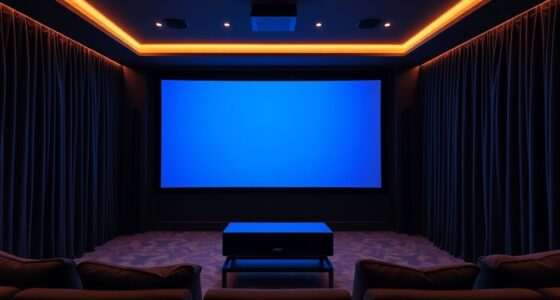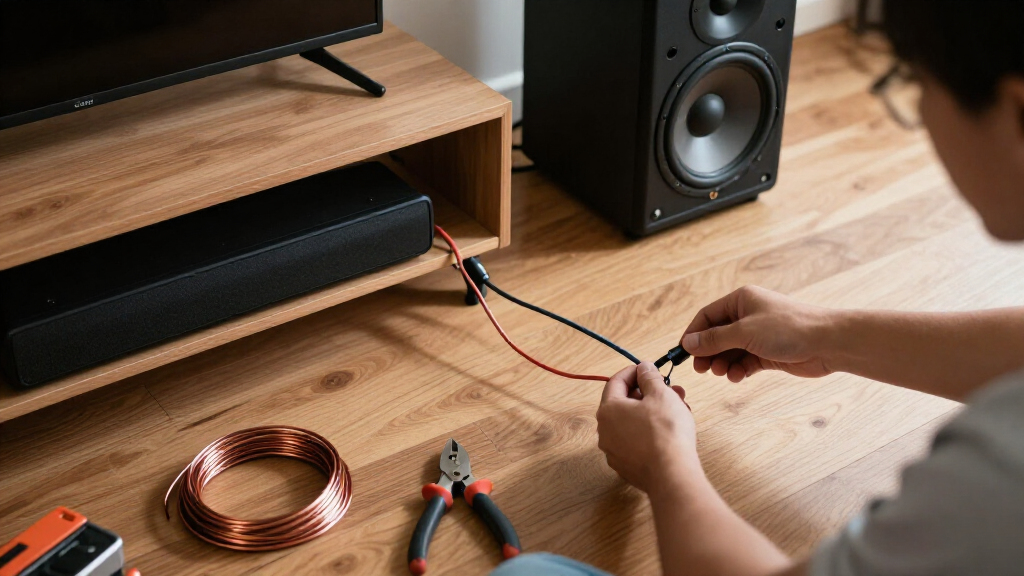

The right home theater speaker system depends on one question: how much of your room are you willing to give to sound? In this category, the tradeoff almost always comes down to convenience versus immersion — soundbar-and-surround packages like the Sony BRAVIA Theater System 6 and ULTIMEA Skywave X50 deliver true surround with minimal wiring headaches, while component systems like the Yamaha YHT-4970U offer more power and upgrade potential but demand more effort and space. If I had to name a best overall, the Sony BRAVIA Theater System 6 stands out for balancing genuine 5.1 separation, clean design, and brand reliability. For Atmos-height effects on a tighter budget, the ULTIMEA Skywave X50 is the stronger pick. Read on for the full breakdown of all 13 systems and which one fits your room, budget, and tolerance for cables.

Get business pricing on your home office setup
- Business-only prices and quantity discounts
- Tax-exempt purchasing
- Multiple users, one account, clear invoices
Complete the kit


Key Takeaways
- Atmos height channels were the biggest differentiator in this lineup — the 5.1.2 and 5.1.4 configurations (ULTIMEA Skywave X50, Poseidon M60) produced noticeably more immersive soundstages than standard 5.1 kits at similar footprints.
- Component-based systems like the Yamaha YHT-4970U and YHT-4950U offered more raw power and HDMI 2.1 passthrough, but required significant setup effort — making them wrong for renters and right for dedicated theater rooms.
- The Bobtot and Rockville tower systems proved that raw wattage claims matter less than driver quality and channel separation; both are louder than they are refined.
- Budget 2.1 and 4.1 options (ULTIMEA 2.1, LG S40TR) work well for small rooms but cannot fake true rear-channel surround — buyers should not expect theater-level immersion from them.
- App control and wireless rear speakers, once premium features, now appear across the ULTIMEA range at entry prices — but wireless rears still need power outlets, so ‘wireless’ doesn’t mean placement-anywhere.
| ULTIMEA Skywave X50 5.1.4-Channel Wireless Surround Sound System |  | Best Overall | Channel Configuration: 5.1.4 | Peak Power: 760W | Wireless Transmission: Dual 5GHz | VIEW LATEST PRICE | See Our Full Breakdown |
| ULTIMEA 5.1.2-Channel Dolby Atmos Soundbar System |  | Best for App-Based Tuning | Channels: 5.1.2 | Audio Format: Dolby Atmos | Speakers: Up-firing drivers and two rear surround speakers | VIEW LATEST PRICE | See Our Full Breakdown |
| ULTIMEA Poseidon M60 5.1-Channel Dolby Atmos Soundbar System |  | Best for Small Rooms and Simplicity | Audio Output: 5.1-channel surround sound | Peak Power: 300W | Frequency Response: 45 Hz–18 kHz | VIEW LATEST PRICE | See Our Full Breakdown |
| Sony BRAVIA Theater System 6 5.1-Channel Soundbar System with Subwoofer and Rear Speakers |  | Best Premium Pick | Channels: 5.1 | Speaker Configuration: 10 speakers — soundbar, subwoofer, rear speakers | Audio Formats: Dolby Atmos, DTS:X | VIEW LATEST PRICE | See Our Full Breakdown |
| ULTIMEA Skywave X40 5.1.2-Channel Soundbar System |  | Best Mid-Tier Value for Height Audio | Audio Channels: 5.1.2 | Wireless Transmission: Dual 5GHz | Peak Power: 530W | VIEW LATEST PRICE | See Our Full Breakdown |
| Bobtot Home Theater Surround Sound System with 4-Inch Subwoofer |  | Best Ultra-Budget Starter Kit | Speaker configuration: Five wired speakers and a subwoofer | Subwoofer size: 4 inches | Peak power: 400W | VIEW LATEST PRICE | See Our Full Breakdown |
| ULTIMEA 2.1-Channel Soundbar with Wireless Subwoofer and App Control |  | Best Minimalist Setup | Channels: 2.1 | Peak output: 240W | Frequency response: 45 Hz–18 kHz | VIEW LATEST PRICE | See Our Full Breakdown |
| LG S40TR 4.1-Channel Soundbar with Wireless Subwoofer and Rear Surround Speakers |  | Best for LG TV Owners | Channels: 4.1 | Audio formats: Dolby Digital, DTS Digital | Subwoofer: Wireless | VIEW LATEST PRICE | See Our Full Breakdown |
| Ultimea Aura A40 Pro 7.1-Channel Surround Soundbar System with Subwoofer |  | Best Immersion Without a Receiver | Channels: 7.1 | Speakers: Soundbar, subwoofer, and 4 surround speakers | Subwoofer bass response: Down to 45 Hz | VIEW LATEST PRICE | See Our Full Breakdown |
| Yamaha YHT-4950U 5.1-Channel 4K Ultra HD Home Theater System |  | Best Traditional Component System | System configuration: 5.1-channel | Included components: AV receiver, five speakers, subwoofer, speaker wire | HDMI ports: 4 | VIEW LATEST PRICE | See Our Full Breakdown |
| Rockville TM150D Powered Home Theater Tower Speakers, Dark Wood |  | Best All-in-One Party Towers | Speaker type: Powered floor-standing tower pair | Drivers: Two 10-inch subwoofers, six full-range drivers, two silk dome tweeters | Power output: 250W RMS; 1000W peak | VIEW LATEST PRICE | See Our Full Breakdown |
| Yamaha YHT-4970U 5.1-Channel Home Theater System with Dolby Atmos, 4K/120 and 8K/60 |  | Best True Home Theater Package | Channels: 5.1 | Receiver: Yamaha RX300A AV receiver | Audio formats: Dolby Atmos, DTS Virtual:X | VIEW LATEST PRICE | See Our Full Breakdown |
| Saiyin 5.0 Home Theater System with Passive Surround Sound Speakers |  | Best Budget Speaker-Only Starter Set | Channels: 5.0 (surround, no subwoofer) | Speakers: Four 40W bookshelf speakers, one 75W center speaker | Driver size: 3 inches | VIEW LATEST PRICE | See Our Full Breakdown |
| home theater speaker system | Channels | Connectivity |
|---|---|---|
| ULTIMEA Skywave X50 5.1.4-Chan | — | — |
| ULTIMEA 5.1.2-Channel Dolby At | 5.1.2 | HDMI eARC with CEC |
| ULTIMEA Poseidon M60 5.1-Chann | — | HDMI eARC, Bluetooth 5.4 |
| Sony BRAVIA Theater System 6 5 | 5.1 | Bluetooth |
| ULTIMEA Skywave X40 5.1.2-Chan | — | — |
| Bobtot Home Theater Surround S | — | Bluetooth |
| ULTIMEA 2.1-Channel Soundbar w | 2.1 | — |
| LG S40TR 4.1-Channel Soundbar | 4.1 | — |
| Ultimea Aura A40 Pro 7.1-Chann | 7.1 | — |
| Yamaha YHT-4950U 5.1-Channel 4 | — | HDMI, Ethernet, coaxial, optical, USB, auxiliary, Bluetooth |
| Rockville TM150D Powered Home | — | Bluetooth, USB, SD card, FM radio, optical |
| Yamaha YHT-4970U 5.1-Channel H | 5.1 | HDMI eARC/ARC, Bluetooth Multipoint |
| Saiyin 5.0 Home Theater System | 5.0 (surround, no subwoofer) | — |
More Details on Our Top Picks
ULTIMEA Skywave X50 5.1.4-Channel Wireless Surround Sound System
This option stands out for putting true overhead height effects into a wireless package, something most kits at this level simply don’t attempt. The 5.1.4 configuration means four dedicated height channels rather than the two you get on the ULTIMEA 5.1.2 Atmos soundbar, and the payoff is a more convincing sense of planes flying over or rain falling around you. Bass reaching down to 28Hz also digs deeper than the Skywave X40’s 35Hz floor, which matters for action-movie low-end you feel rather than just hear.
The tradeoff is practicality: height channels only work well with reflective ceilings and thoughtful room placement, so buyers in open-plan spaces or rooms with high vaulted ceilings won’t get the full effect. Compared with the Sony BRAVIA Theater System 6, you give up DTS:X support but gain a fully wireless surround setup and higher-resolution audio processing.
Pros:- Four dedicated height channels for genuine overhead effects
- Wireless surround speakers simplify installation
- Subwoofer reaches down to 28Hz for deep, tactile bass
- 4K HDR pass-through keeps video quality intact
Cons:- Height effects depend heavily on ceiling geometry and speaker placement
- No DTS:X support, unlike the Sony BRAVIA Theater System 6
Best for: Movie enthusiasts in rectangular rooms with flat 8–10 foot ceilings who want the most immersive Atmos effect without running speaker wire
Not ideal for: Owners of open-plan lofts or vaulted-ceiling rooms, where height-channel reflection physics work against you
- Channel Configuration:5.1.4
- Peak Power:760W
- Wireless Transmission:Dual 5GHz
- Sub-Bass Frequency:Down to 28Hz
- Audio Resolution:24-bit/192kHz
- Distortion:<0.5%
- Video Pass-through:4K Ultra HD and HDR
- Amplifier:GaN
Our verdict“If your room can support reflected height channels, this is the most complete surround experience in the lineup.”
ULTIMEA 5.1.2-Channel Dolby Atmos Soundbar System
What separates this model from the pack isn’t raw power — it’s control granularity. A 10-band graphic EQ, 13-step surround level adjustment, and 121 presets mean a buyer can actually shape the sound to their room instead of accepting factory tuning. That’s a level of tweakability the Sony BRAVIA Theater System 6 doesn’t match, and it compensates for the smaller 5.1.2 layout versus the Skywave X50’s 5.1.4.
The physical package is still serious: up-firing Atmos drivers plus two real rear speakers create a genuine 360-degree field, and HDMI eARC passes lossless 5.1.2 audio. The main drawback is format coverage — no DTS compatibility, which matters if your Blu-ray library leans on DTS soundtracks. Compared with the Poseidon M60, you gain rear speakers and Atmos height, but at a higher tier of complexity and cost.
Pros:- Up-firing drivers plus physical rear speakers for true 360° sound
- HDMI eARC carries lossless 5.1.2 audio
- Deep app control with 10-band EQ and 121 presets
- CEC syncs power, volume, and input with your TV
Cons:- No DTS compatibility limits Blu-ray playback options
- Fewer height channels than the Skywave X50’s 5.1.4 setup
Best for: Tinkerers and audio hobbyists who want to fine-tune EQ and surround levels to match an unusual room
Not ideal for: Homeowners with large DTS-encoded movie collections, which this system cannot decode
- Channels:5.1.2
- Audio Format:Dolby Atmos
- Speakers:Up-firing drivers and two rear surround speakers
- Connectivity:HDMI eARC with CEC
- App Controls:10-band EQ, 13-step level adjustment, 121 presets
- DTS Compatibility:Not compatible
Our verdict“The strongest pick for buyers who treat sound tuning as a feature, not a chore.”
ULTIMEA Poseidon M60 5.1-Channel Dolby Atmos Soundbar System
At 31.5 inches wide and just 2.76 inches tall, this is the pick for buyers whose space or furniture rules out a full kit. There are no rear speakers to route across a living room, and the 5.25-inch wooden subwoofer keeps things grounded — though note it’s wired, unlike the wireless subwoofers in the Skywave line, so plan your placement around a cable run.
Compared with the Skywave X40, the M60 trades height channels and wireless convenience for a lower profile and a voice enhancement mode that’s genuinely useful for dialogue-heavy dramas and late-night viewing at low volume. The same 10-band EQ and 121 presets from the app-based ULTIMEA models carry over, so tuning flexibility isn’t sacrificed. At 300W peak and 45Hz at the low end, it won’t shake a large room the way the Sony BRAVIA Theater System 6’s 1000W output will — that’s the honest ceiling here.
Pros:- Compact single-bar footprint with no rear speakers to place
- Voice enhancement improves dialogue clarity at low volume
- Full app EQ suite with 10-band adjustment and 121 presets
- Wooden subwoofer cabinet adds warmth to the low end
Cons:- Wired subwoofer limits placement flexibility
- No rear or height channels cap the surround effect
Best for: Apartment dwellers and bedroom-theater buyers who want Atmos flavor without rear speakers or cable clutter
Not ideal for: Owners of large living rooms seeking reference-level volume and sub-40Hz bass — the power and reach aren’t there
- Audio Output:5.1-channel surround sound
- Peak Power:300W
- Frequency Response:45 Hz–18 kHz
- Maximum SPL:99 dB
- Subwoofer:5.25-inch wired wooden subwoofer
- Connectivity:HDMI eARC, Bluetooth 5.4
- Dimensions:31.5 × 3.54 × 2.76 inches
- Weight:12.6 pounds
Our verdict“The right choice when simplicity and shelf space matter more than maximum immersion.”
Sony BRAVIA Theater System 6 5.1-Channel Soundbar System with Subwoofer and Rear Speakers
This is the most powerful system in the batch — 1000 watts across 10 drivers — and the only one here that supports both Dolby Atmos and DTS:X, which matters for buyers with mixed-format movie libraries. Sony’s build quality and ecosystem polish also show: the BRAVIA Connect app handles setup cleanly, and pairing with a compatible BRAVIA TV unlocks Voice Zoom 3 dialogue processing and menu-level control that no ULTIMEA model can replicate.
The tradeoffs are real, though. Voice Zoom 3 is gated behind a compatible BRAVIA TV, so non-Sony owners pay for features they can’t access. And while it beats the Poseidon M60 handily on output and format support, it lacks the height-channel count of the Skywave X50’s 5.1.4 layout — this is a 5.1 system with Atmos processing rather than dedicated overhead drivers. Connectivity leans on Bluetooth for music streaming rather than high-resolution wireless audio.
Pros:- 1000W output across 10 speakers fills large rooms
- Supports both Dolby Atmos and DTS:X
- Complete kit with subwoofer and rear speakers included
- Tabletop or wall-mount flexibility
Cons:- Key dialogue features require a compatible Sony BRAVIA TV
- No dedicated height channels unlike the 5.1.4 Skywave X50
- Bluetooth-only music streaming, no high-res wireless option
Best for: Buyers who want maximum output, dual Atmos/DTS:X support, and a mature brand ecosystem in one box
Not ideal for: Non-BRAVIA TV owners who’d be paying for Voice Zoom 3 and TV-integration features they can’t use
- Channels:5.1
- Speaker Configuration:10 speakers — soundbar, subwoofer, rear speakers
- Audio Formats:Dolby Atmos, DTS:X
- Maximum Output Power:1000 watts
- Connectivity:Bluetooth
- Control:Remote control, BRAVIA Connect app
- Dimensions:3.6″ D x 35.7″ W x 2.6″ H
- Mounting:Tabletop or wall mount
Our verdict“The strongest all-around hardware here for big rooms and big libraries — as long as you’re not buying it for Sony-exclusive features you can’t unlock.”
ULTIMEA Skywave X40 5.1.2-Channel Soundbar System
Think of the X40 as the X50’s younger sibling: same dual 5GHz wireless architecture, same GaN amplifier, same 24-bit/192kHz processing and 4K HDR pass-through — but with a 5.1.2 layout instead of 5.1.4, and bass that bottoms out at 35Hz rather than 28Hz. For many buyers, that’s a sensible compromise: you still get height effects and wireless surround, just two overhead channels instead of four and slightly less subterranean bass.
Where this model carves its own identity is design. The metal grille, rose gold accents, and wood-crafted subwoofer make it one of the few systems here you’d want visible in a styled living room — the all-black Sony BRAVIA Theater System 6 and Poseidon M60 blend in, while this one stands out. The weakness is documentation: connection options beyond wireless and pass-through are unclear, so buyers with older TVs or legacy devices should verify compatibility before committing.
Pros:- Height and surround audio without the X50’s higher channel count cost
- Dual 5GHz wireless link resists interference
- Distinctive design with metal grille and wood-crafted subwoofer
- 4K HDR pass-through preserves video quality
Cons:- Bass floor of 35Hz misses the deepest movie low-end
- Input options beyond wireless and pass-through are unspecified
Best for: Design-conscious buyers who want Atmos height effects and wireless convenience at a mid-tier commitment level
Not ideal for: Owners of older TVs or AV gear — connection options are poorly documented and may not cover legacy inputs
- Audio Channels:5.1.2
- Wireless Transmission:Dual 5GHz
- Peak Power:530W
- Bass Response:Down to 35Hz
- Audio Processing:24-bit/192kHz
- Distortion:<0.5%
- Video Pass-through:4K Ultra HD and HDR
- Amplifier:GaN
Our verdict“A smart step-down from the X50 if you want the wireless Atmos experience with more style and slightly less muscle.”
Bobtot Home Theater Surround Sound System with 4-Inch Subwoofer
For anyone who wants true 5.1 surround sound on a tight budget, the Bobtot B38 is the entry point of this lineup. Unlike the ULTIMEA 2.1-Channel Soundbar, which trades rear channels for convenience, this system physically places five speakers around the room, so effects genuinely move behind you rather than being simulated. The catch is scale: the 4-inch subwoofer and modest amplification mean it won’t fill a large room the way the Yamaha YHT-4950U can, and every speaker wires back to the subwoofer, so cable management is part of the deal. Compared with the Saiyin 5.0 passive system, this Bobtot is self-powered and simpler to set up. This pick makes the most sense for dorm rooms, bedrooms, or a first apartment where real surround matters more than raw volume.
Pros:- Genuine 5.1 speaker placement for real surround effects
- Compact footprint suited to small and medium rooms
- Bluetooth streaming from TVs, computers, and projectors
- Self-powered system that needs no separate receiver
Cons:- All five speakers must be wired to the subwoofer, complicating placement
- Output is modest for larger rooms or loud listening levels
Best for: Students, renters, and first-time buyers in small rooms who want genuine 5.1 surround without a receiver
Not ideal for: Owners of large living rooms or bass-hungry action-movie fans — the compact subwoofer and modest power won’t deliver room-shaking impact
- Speaker configuration:Five wired speakers and a subwoofer
- Subwoofer size:4 inches
- Peak power:400W
- Connectivity:Bluetooth
- Bluetooth name:Bobtot B38
- Recommended room size:Small or medium-sized rooms
Our verdict“A low-cost way into true surround sound for small spaces — skip it if you need big-room volume or deep bass.”
ULTIMEA 2.1-Channel Soundbar with Wireless Subwoofer and App Control
If the thought of running wires to five speakers kills the appeal, this 2.1 soundbar is the simplest path to better TV sound in the roundup. Two pieces — a bar and a wireless subwoofer you can place anywhere near an outlet — versus the Ultimea Aura A40 Pro’s seven-channel sprawl of boxes. What stands out is the tuning depth: VoiceMX dialogue processing targets the 120 Hz–6 kHz vocal band, and the app’s 10-band EQ with 121 presets lets you sculpt the sound far beyond what the Bobtot B38 allows. The tradeoff is fundamental: with no rear channels, surround effects are absent, and the 240W figure is peak rather than continuous, so movie-night volume expectations should stay realistic. This option suits viewers who prioritize clean dialogue and clutter-free living rooms over immersion.
Pros:- Wireless subwoofer allows flexible placement without cables
- App-based 10-band EQ and 121 presets for deep sound customization
- VoiceMX dialogue enhancement targets vocal frequencies
- Bluetooth 6.0 for wireless music streaming
Cons:- No rear speakers, so surround effects are missing entirely
- Power is quoted as peak only, with no continuous rating to gauge real output
Best for: Apartment dwellers and casual TV watchers who want clearer dialogue and punchier bass with a two-piece, wire-free setup
Not ideal for: Home theater enthusiasts chasing true surround immersion — 2.1 channels cannot place effects behind the listener
- Channels:2.1
- Peak output:240W
- Frequency response:45 Hz–18 kHz
- Maximum SPL:95 dB
- Subwoofer:Wireless; 18 mm high-excursion driver; 6.5 L tuned cabinet
- Equalizer:10-band; 121 preset EQ matrices
- Bluetooth:6.0
Our verdict“The cleanest, lowest-effort upgrade for dialogue-focused TV viewing — not a choice for immersive movie nights.”
LG S40TR 4.1-Channel Soundbar with Wireless Subwoofer and Rear Surround Speakers
The S40TR earns its place by being the most well-rounded middle option here: real rear surround speakers plus a wireless subwoofer, without the complexity of a component system like the Yamaha YHT-4950U. Its strongest card is LG TV integration — one remote controls everything, and the soundbar powers on with the television, a convenience neither the Ultimea Aura A40 Pro nor the Bobtot matches. Dolby Digital and DTS Digital decoding means it handles broadcast and streaming audio properly, while Clear Voice Plus tames mumbly dialogue. The compromises are real, though: the two rear speakers are tethered to each other by wire, one needs its own AC outlet, and some features only activate with select LG TVs. For a mainstream living room, this splits the difference between simplicity and immersion better than most.
Pros:- Wireless subwoofer plus rear surround speakers for true enveloping audio
- Dolby Digital and DTS Digital format support
- Clear Voice Plus dialogue enhancement
- Single-remote control with compatible LG TVs
Cons:- Rear speakers are wired to each other, limiting placement behind the couch
- One rear speaker needs AC power nearby
- Certain features work only with select LG TV and soundbar models
Best for: LG TV owners who want genuine rear surround, single-remote control, and a mainstream brand warranty
Not ideal for: Households with non-LG or older TVs, who lose the remote integration perks and some features entirely
- Channels:4.1
- Audio formats:Dolby Digital, DTS Digital
- Subwoofer:Wireless
- Rear speakers:Wireless connectivity; wired connection between the two speakers
- Soundbar dimensions:28.4 × 2.5 × 3.4 in (W × H × D)
- Subwoofer dimensions:6.7 × 12.6 × 9.9 in (W × H × D)
- Color:Black
Our verdict“The default pick for LG households wanting surround without a receiver — less compelling outside the LG ecosystem.”
Ultimea Aura A40 Pro 7.1-Channel Surround Soundbar System with Subwoofer
This is the roundup’s most immersive single-brand package: a soundbar, subwoofer, and four adjustable surround speakers forming a 7.1 layout — more channels than the LG S40TR’s 4.1 or even the Sony BRAVIA Theater System 6’s 5.1. That extra pair of surrounds means rear and side effects pan with real precision, and the app’s 13 adjustable surround levels let you dial immersion to taste rather than accepting a fixed blend. VocalMatrix dialogue processing is a step beyond the ULTIMEA 2.1 soundbar’s VoiceMX, preserving ambient detail while lifting voices. The tradeoffs mirror the LG: the rear pair is wired to each other, and this is a closed ecosystem — unlike the Yamaha YHT-4950U, you can’t swap in better speakers later or add an AV receiver’s switching flexibility. Still, for plug-and-play theater thrills, it leads this batch.
Pros:- Four surround speakers deliver a full 7.1-channel experience
- VocalMatrix and VoiceMX processing clarifies dialogue without flattening ambience
- 10-band EQ, 121 presets, and 13 surround-level adjustments via app
- Subwoofer reaches down to 45 Hz for solid low-end weight
Cons:- Rear speakers require a wired connection between them
- Closed ecosystem with no upgrade path for speakers or receiver features
Best for: Movie lovers who want maximum 7.1-channel immersion and deep app tuning without buying an AV receiver
Not ideal for: Upgraders and tinkerers — the closed system can’t be expanded with better speakers or receiver-based sources
- Channels:7.1
- Speakers:Soundbar, subwoofer, and 4 surround speakers
- Subwoofer bass response:Down to 45 Hz
- Bluetooth:Version 6.0; 15-meter range
- Equalizer:10-band graphic EQ; 121 presets
- Surround levels:13 adjustable levels
- Control method:App
- Mounting type:Tabletop or wall mount
- Dimensions:15.75 × 2.76 × 3.54 inches
Our verdict“The strongest immersion-per-box in this batch for viewers who want theater-grade surround from one purchase.”
Yamaha YHT-4950U 5.1-Channel 4K Ultra HD Home Theater System
This is the only true component-based system in this batch, and that changes everything about who it’s for. Instead of a closed soundbar package like the Ultimea Aura A40 Pro, you get an AV receiver with four HDMI inputs, so game consoles, streaming boxes, and Blu-ray players all connect and switch through one hub with 4K/60 pass-through and Dolby Vision. The YPAO room optimization uses a mic to tune output to your room’s acoustics — a level of calibration none of the app-driven Ultimea systems replicate — and the 28 Hz–25 kHz frequency response reaches deeper than any soundbar sub here. The price is old-school effort: every speaker is wired, there’s no wireless rears option, and the setup demands more patience than the LG S40TR’s plug-and-play approach. For builders and upgraders, that openness is the whole point.
Pros:- Complete package: AV receiver, five speakers, subwoofer, and included speaker wire
- Four HDMI inputs with 4K/60 pass-through and Dolby Vision support
- YPAO room optimization automatically tunes sound to the space
- Expandable component architecture that supports future upgrades
Cons:- Fully wired speaker setup demands routing cables across the room
- No wireless rear or multiroom functionality beyond Bluetooth streaming
Best for: AV enthusiasts and upgraders who want receiver-based HDMI switching, room calibration, and the ability to swap components later
Not ideal for: Anyone wanting a wireless, minimal-cable living room — every speaker requires a wired run to the receiver
- System configuration:5.1-channel
- Included components:AV receiver, five speakers, subwoofer, speaker wire
- HDMI ports:4
- Video support:4K Ultra HD pass-through at 60 fps; Dolby Vision and Hybrid Log-Gamma
- Connectivity:HDMI, Ethernet, coaxial, optical, USB, auxiliary, Bluetooth
- Room optimization:Yamaha YPAO
- Frequency response:28 Hz–25 kHz
- Standby power consumption:≤ 0.2 W
Our verdict“The choice for buyers who value expandability, HDMI switching, and room calibration over wireless convenience.”
Rockville TM150D Powered Home Theater Tower Speakers, Dark Wood
Rockville’s TM150D takes a different approach from everything else in this roundup: instead of a soundbar-and-sub combo like the Sony BRAVIA Theater System 6, it packs two 10-inch subwoofers, six full-range drivers, and silk dome tweeters into a pair of powered floor-standing towers. There’s no receiver to buy and no surround speakers to route around the room — plug in, connect via Bluetooth, optical, USB, or SD, and you’re done. The 8-band EQ, adjustable bass and treble, and dual karaoke mic inputs with echo control make this option better suited to parties and vocal nights than pure movie watching. The tradeoff is real, though: audio output is mono, so it can’t deliver true stereo separation or discrete surround imaging. Compared with the Yamaha YHT-4970U, the cinematic experience falls short, but as a self-contained entertainment centerpiece it plays a different game entirely.
Pros:- Subwoofers, drivers, and tweeters built into one powered system with no receiver needed
- Bluetooth, optical, USB, SD, and FM give flexible playback options
- 8-band EQ plus adjustable bass and treble tuning
- Dual karaoke inputs with adjustable volume and echo
Cons:- Mono audio output prevents true stereo separation
- Build descriptions mix metal and MDF claims, leaving enclosure quality uncertain
Best for: Party hosts and karaoke fans who want loud, self-powered floor towers without buying a receiver
Not ideal for: Movie purists who want true stereo imaging and discrete surround sound — the mono output limits both
- Speaker type:Powered floor-standing tower pair
- Drivers:Two 10-inch subwoofers, six full-range drivers, two silk dome tweeters
- Power output:250W RMS; 1000W peak
- Audio output mode:Mono
- Connectivity:Bluetooth, USB, SD card, FM radio, optical
- Equalizer:8-band EQ with bass and treble controls
- Microphone inputs:Two 1/4-inch karaoke inputs with echo
- Dimensions:12.99 x 6.3 x 37.4 inches per tower
Our verdict“A fun, do-it-all tower pair for social spaces and karaoke nights — just don’t expect true home theater imaging from it.”
Yamaha YHT-4970U 5.1-Channel Home Theater System with Dolby Atmos, 4K/120 and 8K/60
This is the closest thing to a traditional component-based theater in the entire lineup. Where the ULTIMEA Skywave X50 and other soundbar systems simulate or wirelessly relay surround channels, the YHT-4970U gives you a real Yamaha RX300A AV receiver driving five discrete speakers plus a powered subwoofer — the architecture serious movie listening is built on. Dolby Atmos and DTS Virtual:X add height cues, while room correction automatically tunes the output to your space, something most soundbar picks here can’t match. Video passthrough is equally future-proofed with 4K/120, 8K/60, Dolby Vision, HDR10+, plus ALLM and VRR for console gaming. The catch is effort and permanence: you’re routing an 80-foot speaker wire bundle, and compared with a plug-and-play option like the LG S40TR, setup is a genuine afternoon project. Buy this for performance and upgrade paths, not convenience.
Pros:- Complete package with receiver, five speakers, powered subwoofer, and included cables
- Dolby Atmos and DTS Virtual:X with automatic room correction
- 4K/120 and 8K/60 passthrough with ALLM and VRR for next-gen consoles
- Bluetooth Multipoint keeps two source devices connected at once
Cons:- Setup requires running wires to five separate speakers around the room
- Component system takes up more space than a single soundbar solution
Best for: Movie and gaming enthusiasts building a permanent dedicated theater room who value discrete surround over convenience
Not ideal for: Renters or anyone wanting a quick living-room upgrade — multi-speaker wiring and receiver setup take real time
- Channels:5.1
- Receiver:Yamaha RX300A AV receiver
- Audio formats:Dolby Atmos, DTS Virtual:X
- Video support:4K/120, 8K/60, Dolby Vision, HDR10+
- Gaming features:ALLM, VRR
- Connectivity:HDMI eARC/ARC, Bluetooth Multipoint
- Subwoofer:Powered, with 16-ft. cable included
- Included cables:80-ft. speaker wire, 16-ft. subwoofer cable
Our verdict“The pick for a real theater room: discrete 5.1 channels, Atmos, and cutting-edge video passthrough, if you’re willing to wire it.”
Saiyin 5.0 Home Theater System with Passive Surround Sound Speakers
The Saiyin 5.0 system is the build-it-yourself entry point of this roundup: four 40W bookshelf speakers and a dedicated 75W center channel, with no subwoofer, no receiver, and no wires in the box. That bare-bones approach is the whole point — it costs less upfront and lets you pair it with whatever amplifier you already own or plan to buy, unlike the Yamaha YHT-4970U, which bundles a receiver but at a higher total price. The dedicated center speaker is the standout feature at this tier, purpose-built for dialogue clarity in a way single-unit soundbars like the ULTIMEA 2.1-Channel simply can’t replicate. Placement flexibility is genuine, too: wall, shelf, or stand mounting suits apartments and awkward rooms. The tradeoffs are obvious — no subwoofer means thin low-end, and buyers must budget separately for an AV receiver and speaker wire before hearing a single sound.
Pros:- Dedicated 75W center speaker noticeably improves dialogue clarity
- Flexible wall, shelf, or stand placement with compact size
- Classic wood-grain styling blends into most rooms
- Lets you choose your own receiver rather than paying for a bundled one
Cons:- Requires a separately purchased AV receiver or amplifier to function
- No subwoofer included, so bass response is limited
- Speaker wire is not in the box, adding hidden cost and a shopping trip
Best for: DIY-minded buyers who already own (or will shop for) a receiver and want affordable discrete surround with a real center channel
Not ideal for: Anyone wanting a complete out-of-the-box system — receiver, amp, and speaker wire are all sold separately
- Channels:5.0 (surround, no subwoofer)
- Speakers:Four 40W bookshelf speakers, one 75W center speaker
- Driver size:3 inches
- Impedance:6 ohms
- Mounting type:Wall mount, shelf, or stand
- Enclosure material:ABS, metal, and MDF
- Requirements:AV receiver or amplifier and speaker wire (not included)
Our verdict“A cheap, flexible foundation for tinkerers who already have amplification — not a system for buyers who want everything in one box.”
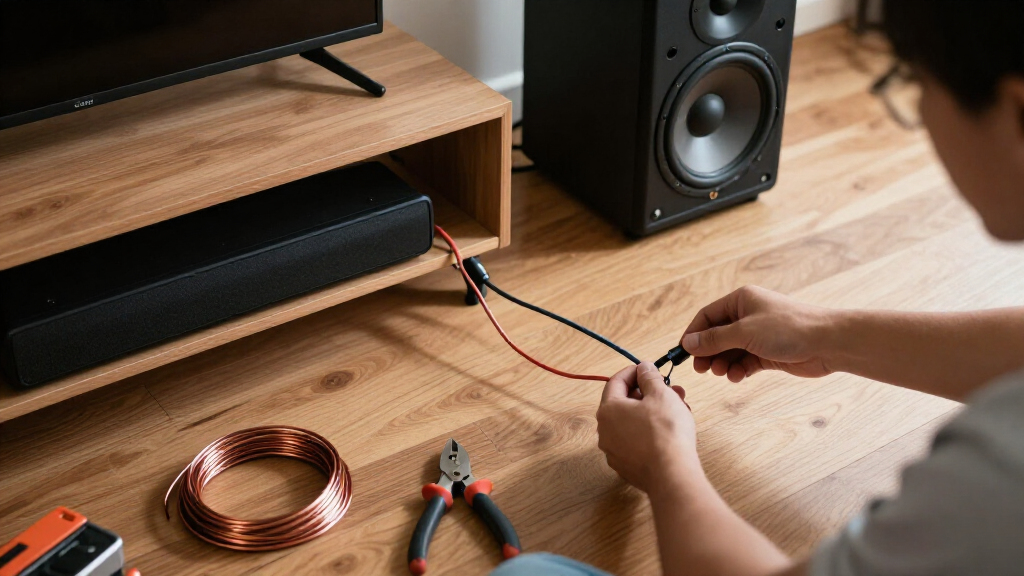
How We Picked
I evaluated each system through the lens a home theater buyer actually cares about: channel configuration and immersion, setup difficulty, connectivity and passthrough support, build and driver quality, and value relative to the experience delivered. A 7.1-channel bar with weak separation was ranked below a well-tuned 5.1 kit, because channel count on paper matters less than what you actually hear from the couch. I also weighed how each system handles modern sources — 4K/120 and 8K/60 passthrough, eARC, and Dolby Atmos support — since a theater system that bottlenecks your console or player undermines the whole setup.
The ranking reflects a simple hierarchy: systems that deliver true discrete surround with genuine height effects placed highest, followed by strong 5.1 packages, then compact and budget configurations that trade immersion for convenience. Component systems earned premium positions only when their power and upgrade paths justified the installation effort. Where two systems delivered similar sound, the tiebreaker went to setup simplicity and long-term flexibility — because a system that’s easy to live with gets used every night, and one that fights you gets returned.
| home theater speaker system | Connectivity |
|---|---|
| ULTIMEA Skywave X50 5.1.4-Chan | — |
| ULTIMEA 5.1.2-Channel Dolby At | HDMI eARC with CEC |
| ULTIMEA Poseidon M60 5.1-Chann | HDMI eARC, Bluetooth 5.4 |
| Sony BRAVIA Theater System 6 5 | Bluetooth |
| ULTIMEA Skywave X40 5.1.2-Chan | — |
| Bobtot Home Theater Surround S | Bluetooth |
| ULTIMEA 2.1-Channel Soundbar w | — |
| LG S40TR 4.1-Channel Soundbar | — |
| Ultimea Aura A40 Pro 7.1-Chann | — |
| Yamaha YHT-4950U 5.1-Channel 4 | HDMI, Ethernet, coaxial, optical, USB, auxiliary, Bluetooth |
| Rockville TM150D Powered Home | Bluetooth, USB, SD card, FM radio, optical |
| Yamaha YHT-4970U 5.1-Channel H | HDMI eARC/ARC, Bluetooth Multipoint |
| Saiyin 5.0 Home Theater System | — |
Factors to Consider When Choosing Home Theater Speaker Systems
Choosing between home theater speaker systems comes down to matching the technology to your room and habits — not chasing the highest channel count or wattage number on the box.Room Size and Shape Set Your Ceiling
The most common mistake I see is buying a system sized for a room you don’t have. A compact 2.1 or 4.1 soundbar setup will get lost in an open-concept living room, while a full 7.1 tower system in a bedroom is overkill that creates placement headaches. As a rough guide, rooms under 150 square feet are well served by 2.1 to 4.1 configurations, medium rooms benefit from true 5.1 surround, and dedicated theater spaces justify Atmos height channels and tower speakers. Room shape matters too — long, narrow rooms make rear-speaker placement awkward and can muddy surround imaging. Before buying, physically walk your room and decide where rear speakers and a subwoofer could actually live. If the honest answer is ‘nowhere,’ a strong soundbar-based system will serve you better than a compromised surround kit.
Atmos: When Height Channels Are Worth It
Dolby Atmos adds vertical dimension — helicopters flying overhead, rain falling around you — but only if the system has dedicated up-firing or height drivers and your ceiling is flat and reflective. Vaulted or heavily treated ceilings blunt the effect considerably. A 5.1.2 or 5.1.4 system costs more than standard 5.1, and the honest tradeoff is that height effects are a garnish, not the meal; dialogue clarity and surround separation still do most of the work. That said, once you’ve experienced well-implemented Atmos in a compatible room, standard surround can feel flat. Streaming services and UHD discs increasingly default to Atmos soundtracks, so buying without it means your system is already aging. The sweet spot for most buyers is 5.1.2 — enough height presence without paying for speaker positions your room can’t exploit.
Soundbar Kits vs. Component Systems
This is the defining fork in the category. Soundbar-based kits — bar, subwoofer, and wireless rears — win on convenience, wall-mountability, and spouse approval, but they’re closed ecosystems: if the bar dies or you want better front speakers, you replace everything. Component systems built around an AV receiver let you upgrade piece by piece, add more channels later, and get more amplifier power per dollar — but they demand cable runs, receiver shelf space, and an afternoon of configuration. Renters, apartment dwellers, and anyone who values clean aesthetics should lean soundbar. Homeowners with a dedicated media wall and patience for setup will get more long-term value from components. Neither path is objectively better; the mistake is choosing components for ‘seriousness’ when you’ll never actually run the wires.
Connectivity and Passthrough Bandwidth
A theater system sits between your sources and your TV, and if it can’t pass full-bandwidth video, it becomes the weak link. Gamers should insist on 4K/120Hz passthrough for current consoles — older receivers and budget bars often cap at 4K/60, introducing lag or forcing workaround wiring. If you use the TV’s built-in apps for Netflix or Disney+, eARC is non-negotiable for lossless Atmos from the TV back to the system. Check HDMI input count too; a system with one input forces you into TV-side switching, which complicates remotes and can break CEC control. Physical inputs, Bluetooth, and app control matter less than getting video passthrough right, but they shape daily convenience. This is the least glamorous spec sheet section and the one most likely to cause returns when ignored.
Wattage Claims vs. Real Performance
Ignore peak wattage numbers entirely — they’re marketing math, not audio engineering. What actually determines output quality is driver size, cabinet construction, amplifier quality, and how cleanly the system plays at the volume you’ll actually use. A modest 5.1 kit from an established audio brand will typically outperform a tower system advertising double the wattage with small drivers and thin enclosures. The practical test matters: does dialogue stay clear during quiet scenes, and does the subwoofer add texture or just boom? Subwoofer quality is where budget systems cut corners most aggressively, and a boomy, one-note sub is the most common complaint in this category. If possible, listen before buying, or buy from retailers with painless returns.
Wireless Is Half True — Plan Your Outlets
‘Wireless surround speakers’ means the audio signal travels without cables, but the speakers themselves still need wall power. This trips up buyers constantly: the clean setup they imagined requires outlets behind the couch or discreet cable raceways. Wireless rears also introduce occasional dropouts and compression in budget systems, which is one reason component systems with wired surrounds still sound tighter. Before choosing a wireless kit, map your outlets and decide whether power cables snaking to the sofa zone is acceptable. The same applies to subwoofers — a ‘wireless sub’ still needs its own outlet near its placement spot. Plan the room first, then pick the technology that fits, rather than retrofitting your living room around a marketing promise.
Frequently Asked Questions
Is a 5.1 soundbar system as good as a component 5.1 home theater system?
For most living rooms, a well-designed 5.1 soundbar kit gets you 80–90% of the component experience with a fraction of the installation effort. The gap shows up in two places: raw amplifier power (component receivers drive larger speakers harder for big rooms) and long-term flexibility, since soundbar kits can’t be upgraded piecemeal. If your room is medium-sized, you watch mostly streaming content, and you value clean aesthetics, the soundbar route makes more sense. Component systems pull ahead in dedicated theater rooms, with acoustically tricky layouts, or when you want to grow the system over several years. Match the format to your room and patience, not to audiophile forum pressure.
Do Dolby Atmos height channels justify the extra cost if I stream most of my content?
Yes, increasingly so — Netflix, Disney+, Apple TV+, and Prime Video all carry substantial Atmos catalogs now, and most modern streaming devices pass Atmos through eARC or native apps. The catch is your ceiling: up-firing Atmos drivers bounce sound off a flat, reflective ceiling, so vaulted ceilings, heavy acoustic treatment, or very high ceilings weaken the effect. If your room supports it, Atmos adds a genuine vertical dimension that standard 5.1 can’t replicate, and the price premium has shrunk considerably. If your ceiling is hostile to up-firing drivers, spend the difference on better front speakers or a stronger subwoofer instead — that upgrade will be audible every single day.
How much should I prioritize 4K/120 and 8K passthrough if I’m not a gamer?
If you don’t own a current-generation console or a high-end PC, 4K/60 passthrough is genuinely sufficient — movies and streaming top out far below 120Hz, and 8K content is still scarce. Where gamers get burned is connecting a PS5 or Xbox Series X through a system that caps at 4K/60, which forces them to choose between lossless audio and full video performance. Future-proofing is the counterargument: replacing a home theater system is disruptive enough that buying one passthrough generation ahead is reasonable if the price gap is small. My practical advice is to check the spec once, buy accordingly, and stop worrying — the audio quality difference between passthrough tiers is zero.
Are tower speaker systems like the Rockville or Bobtot a smart budget route to big sound?
Can I start with a soundbar now and add surround speakers later?
Only if you buy into an ecosystem that supports it — and most budget bars don’t. Systems like several in this lineup ship as complete packages (bar, sub, rears) and aren’t designed for piecemeal expansion, so ‘starting small’ often means replacing everything later. The better strategy is to buy the full configuration you want up front if the budget allows, even if it means choosing a cheaper brand to get true 5.1 rather than a premium 2.1 bar. Component-based systems are the real future-proofing play here, since receivers accept whatever speakers you add over time. If expansion matters to you, that flexibility is worth the setup effort of a receiver-based system from day one.
Conclusion
After comparing all 13 systems, the right choice maps cleanly to buyer type. For best overall, the Sony BRAVIA Theater System 6 delivers the most balanced true-surround experience with the fewest compromises. For best value, the ULTIMEA Skywave X50 packs 5.1.4 Atmos height channels and wireless rears into a price tier where competitors offer plain stereo. For best premium, the Yamaha YHT-4970U justifies its cost with full 4K/120 and 8K/60 passthrough, Dolby Atmos, and an upgrade path that outlives any soundbar. Beginners should start with the ULTIMEA 2.1-Channel Soundbar or the LG S40TR — simple, low-risk setups that teach you what you want before you spend more. For specific needs: large rooms and volume-first buyers get the Rockville TM150D towers or Bobtot system, Atmos-focused streamers get the Poseidon M60 or Aura A40 Pro, and minimalist setups get the Saiyin passive speaker kit. Whatever you choose, buy for the room you actually have — the best home theater system is the one that fits your space, your sources, and your willingness to run cables.
Fall Picks
fall essentials
As an affiliate, we earn on qualifying purchases.