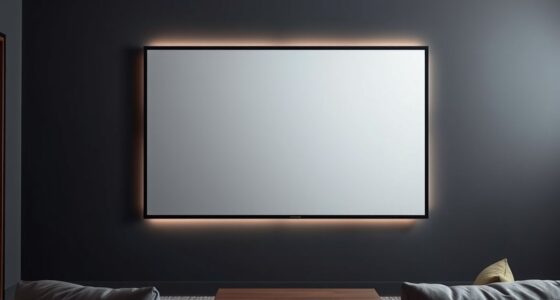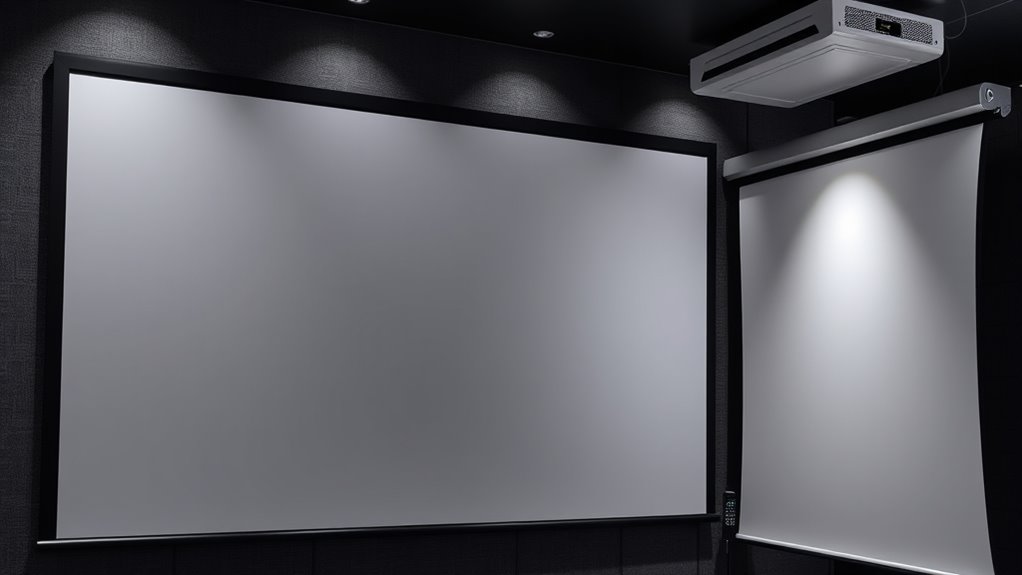

Choosing between fixed frame, pull-down, and motorized screens depends on your space and budget. Fixed frame screens offer a sleek, permanent setup but are more expensive and less flexible once installed. Pull-down screens are affordable, easy to install, and portable, but may sag over time. Motorized screens provide convenience and modern aesthetics but come with higher costs and electrical needs. Exploring these options further will help you find the best fit for your setup.

Get business pricing on your home office setup
- Business-only prices and quantity discounts
- Tax-exempt purchasing
- Multiple users, one account, clear invoices
Key Takeaways
- Fixed frame screens offer a sleek, durable, and permanent setup but lack flexibility once installed.
- Pull-down screens are affordable, easy to install, and portable, though they may sag over time.
- Motorized screens provide convenience and modern aesthetics but come with higher costs and electrical installation needs.
- Fixed frames are ideal for professional displays, while pull-down and motorized screens suit flexible or multi-use spaces.
- Cost, installation complexity, and desired permanence are key factors in choosing among these screen types.

When choosing a projection screen for your home or office, understanding the differences between fixed frame, pull-down, and motorized options is essential. Each type offers unique benefits and challenges, especially when it comes to installation and cost considerations. Fixed frame screens are known for their sleek, professional look. They are mounted securely to a wall or ceiling, creating a taut, wrinkle-free surface ideal for high-quality images. However, their installation can be more challenging because they require precise mounting and alignment to ensure the frame remains perfectly flat and stable. If you’re not comfortable with tools or precise measurements, hiring a professional might be necessary, which adds to your overall cost. The initial investment for a fixed frame screen tends to be higher due to its more durable materials and custom framing, but its stability and image quality often justify the expense for dedicated home theaters or professional settings. Additionally, fixed frame screens are less flexible in terms of repositioning once installed, making them a more permanent fixture in your space.
Pull-down screens are more versatile and easier to install. They typically feature a spring-loaded roller mechanism that allows you to pull the screen down when needed and retract it when not in use. Installation challenges are minimal compared to fixed frames, as they usually come with brackets and straightforward mounting hardware. They’re ideal if you need a screen that can be stored away easily, especially in spaces where ceiling height or room layout might limit options. Cost considerations for pull-down screens are generally lower, making them a popular choice for casual home use or temporary setups. However, over time, you might notice some sagging or wrinkles if the material isn’t high quality or if the mechanism wears out. Their simplicity and affordability make them attractive, but be aware that cheaper models may not last as long or provide the same picture clarity as more expensive options.
Motorized screens combine convenience with a sleek appearance. They can be lowered or retracted at the push of a button, often integrated into home automation systems. Installation challenges are moderate since they require electrical wiring and precise alignment. If you’re not comfortable working with electrical components, you’ll probably need professional help, which raises installation costs. Motorized screens tend to have a higher upfront cost because of the motor and remote control features, but they add a level of luxury and ease of use that many users find worthwhile. They’re perfect for multi-purpose rooms or spaces where aesthetics and quick setup matter most. Despite the higher cost and installation complexity, their seamless operation and modern look make them a favorite among tech-savvy homeowners seeking convenience. Moreover, the ease of operation provided by motorized screens can significantly enhance the viewing experience in a dedicated space.
Products Worth Considering
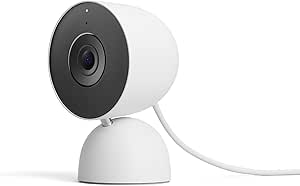
Google Nest Cam Indoor (Wired, 3rd Gen) – Security Camera – Snow

Levoit Eleva 300X HEPA Air Purifier for Home and Bedroom

Coway Airmega 250 Air Purifier for Large Rooms
As an affiliate, we earn on qualifying purchases.
Frequently Asked Questions
Which Screen Type Is Best for Outdoor Use?
For outdoor use, a motorized screen is your best choice. It handles installation challenges well and offers durability with weather-resistant materials. You can easily operate it with a remote, making it convenient for outdoor settings. Look for screens with sturdy frames and waterproof fabrics to withstand the elements. This way, you enjoy a reliable, high-quality viewing experience without hassle, even in challenging outdoor conditions.
How Long Do Motorized Screens Typically Last?
Like a fine wine, motorized screens can last many years if well cared for. Typically, they last about 5 to 10 years, but durability concerns and installation challenges can affect longevity. You’ll want to guarantee proper maintenance and professional installation to avoid early wear and tear. With proper care, your motorized screen can provide reliable performance, making it a worthwhile investment despite initial challenges.
Can Fixed Frame Screens Be Easily Replaced or Upgraded?
You can replace or upgrade fixed frame screens, but it’s not always straightforward. Installation challenges may arise, especially if your current setup is tightly fitted or custom. Consider aesthetic considerations, as upgrading might require matching styles or frames. While fixed frame screens are durable, swapping them out can involve some effort and careful planning to ensure a seamless look and proper fit in your space.
Are Pull-Down Screens Suitable for High-Traffic Areas?
Think of pull-down screens as a sturdy umbrella in a storm—they’re suitable for high-traffic areas, but durability concerns can arise over time. You might face installation challenges if the ceiling isn’t ideal or if frequent use strains the mechanism. While convenient, they aren’t the most durable choice for busy environments, so consider how often they’ll be used before choosing this option for high-traffic spaces.
What Maintenance Is Required for Motorized Projection Screens?
You need to regularly check your motorized projection screen’s screen durability and motor maintenance. Keep the screen clean and dust-free to prevent buildup that could affect operation. Inspect the motor for any signs of wear or overheating, and lubricate moving parts as recommended by the manufacturer. Periodic testing ensures smooth retraction and extension, helping extend the lifespan of your motorized screen and maintaining ideal performance.
Conclusion
Ultimately, choosing between fixed frame, pull-down, and motorized screens depends on your space, budget, and convenience. Fixed frames offer stability and a sleek look, pull-down screens provide flexibility and ease of use, while motorized screens deliver effortless operation and modern appeal. Weigh the pros and cons, consider your needs, and pick the screen that suits your lifestyle. Whichever you choose, enjoy a better viewing experience tailored to your preferences and space.