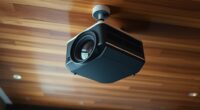
High gain screens can make images brighter, but in rooms with lots of ambient light, this overreflection may cause glare and wash out details, reducing contrast and image clarity. When reflected light from the screen becomes too intense, it can actually make it harder to see images clearly, even though they’re meant to be brighter. To get the best results, understanding how environment impacts high gain surfaces is essential—keep exploring to find the ideal setup for your space.
Key Takeaways
- Excess ambient light can cause high gain screens to produce glare, reducing image clarity and viewer comfort.
- In bright environments, the increased reflectivity may wash out dark scenes, diminishing contrast and detail.
- High gain screens reflect light narrowly, so uncontrolled lighting can lead to uneven brightness and hotspots.
- Using high gain screens in well-lit rooms can amplify reflections, making images appear overly bright or distorted.
- The brightness benefits of high gain screens can backfire if ambient conditions are not carefully managed.

Have you ever wondered how to get the brightest, clearest images on your projector? The answer often lies in understanding the role of your screen’s reflectivity and how ambient lighting influences image quality. High gain screens are designed to reflect more light toward you, which can seem like the perfect solution to increasing brightness. When you opt for a high gain screen, you’re choosing a surface that has a reflectivity rating typically above 1.0, meaning it reflects more light than a standard matte screen. This increased reflectivity boosts the apparent brightness of your image, making it more vivid and eye-catching, especially in controlled lighting conditions. However, if you’re not careful, this very feature can backfire, especially in environments with ambient lighting.
Ambient lighting, such as room lights, windows, or even sunlight, can considerably impact your viewing experience. High gain screens tend to reflect light in a narrow viewing cone, which means that if you’re not directly in front of the screen, the image can appear washed out or overly bright in certain spots. This effect is especially problematic if your room has substantial ambient light because the reflective surface amplifies not only your projector’s image but also any unwanted light bouncing around. As a result, you might find yourself squinting at a glare-heavy picture or struggling to see details, defeating the purpose of a high gain screen. You need to consider your environment carefully before investing in one.
Furthermore, screen reflectivity isn’t just about brightness; it also influences contrast and color accuracy. High gain screens tend to enhance brightness but can reduce contrast, making dark scenes look washed out or flat. This trade-off can diminish image depth and detail, especially if the ambient lighting isn’t well-controlled. If your room has a lot of ambient light, a high gain screen might seem like a good idea, but it can actually make things worse by amplifying ambient reflections that obscure your picture. To get the most from a high gain screen, you should minimize ambient lighting sources or use window coverings and dimmers to control the light environment.
In essence, while high gain screens can make your projector’s image brighter, they’re not a one-size-fits-all solution. You need to weigh the benefits of increased reflectivity against the potential for glare and reduced contrast caused by ambient lighting. Being mindful of your room’s lighting conditions and choosing the right screen reflectivity for your environment is key to achieving a clear, vibrant image without unwanted backfire effects. Additionally, understanding how ambient lighting interacts with high gain surfaces can help you make more informed decisions about your home theater setup.

XHF 120 PCS Adhesive Cable Wire Clips Black, Outdoor Christmas Light Clips, Cable Management Wire Organizer Cord Holder for Under Desk, Car, Wall, TV PC Ethernet Cable
- High-Quality Material: Strong adhesive and PA66 nylon construction
- Versatile Usage: Suitable for USB, Ethernet, lights, TV, and more
- Compact Size: Base 5/8" x 5/8", buckle 1/4" x 2/5"
As an affiliate, we earn on qualifying purchases.
Frequently Asked Questions
Do High Gain Screens Improve Picture Quality in Daylight Conditions?
High gain screens can enhance picture quality in daylight if they’re compatible with your projector and you control ambient light effectively. They reflect more light, making images brighter in well-lit rooms, but too much gain can cause glare and reduce contrast. Make certain your projector’s output matches the screen’s gain rating, and minimize ambient light sources to maximize picture clarity without sacrificing image quality.
Can High Gain Screens Cause Eye Strain During Extended Viewing?
Yes, high gain screens can cause eye strain during extended viewing. The increased brightness and glare issues may lead to visual fatigue over time, especially if you’re exposed to intense reflections or uneven lighting. To prevent this, take regular breaks, adjust the screen angle, or lower the brightness settings. Ensuring proper ambient lighting can also help reduce glare and make your viewing experience more comfortable.
Are High Gain Screens Suitable for All Types of Projectors?
High gain screens aren’t suitable for all projectors, especially if your room has ambient light. If your projector isn’t compatible or isn’t very bright, a high gain screen can cause glare and reduce image quality. You should choose a screen based on your projector’s brightness and your room’s lighting conditions. For ideal results, match your projector’s specs with the screen’s gain to avoid washed-out images or excessive brightness.
How Do High Gain Screens Affect Color Accuracy and Image Contrast?
High gain screens can improve contrast and brightness, but they may cause color distortion because they reflect light unevenly. You might notice colors appear washed out or less accurate, especially in well-lit rooms. Additionally, high gain screens are more sensitive to ambient light, which can reduce image clarity and contrast. If you use one, guarantee your environment has controlled lighting for the best picture quality.
What Maintenance Is Required for High Gain Projection Screens?
You should clean your high gain screen regularly, ideally once a month, to remove dust and fingerprints that can dull brightness. Use a soft, lint-free cloth and gentle cleaning routines to protect surface durability. Avoid harsh chemicals, as they can damage the screen’s coating. Proper maintenance keeps your screen in top condition, ensuring consistent brightness and image quality without risking surface wear.

SOULWIT 50Pcs Self Adhesive Cable Management Clips - Black
- Easy to Use: Stick, open tab, insert cables, close
- Premium Material: Eco-friendly Polyamide66, anti-static, strong
- Universal Adhesion: Works on desks, walls, wood, ceramics, metal
As an affiliate, we earn on qualifying purchases.
Conclusion
Just like Icarus who flew too close to the sun, pushing your screen’s gain too high can lead to unintended glare and washed-out images. Remember, more brightness isn’t always better; it’s about finding that perfect balance. When you prioritize clarity over sheer luminance, your viewing experience soars without the risk of burning out. So, be wise like Da Vinci, blending art and science—maximize your screen’s potential without overstepping its limits.

HS Saddle Type Cable Zip Tie Mounts Base Kit with Screw Hole,Set Strong 6 Inch Nylon Cable Ties and Screws Each 100 PCS,Wire Clips Anchor Management Fastener for Baseborad,Wall or Desk,Black
- High-Quality Nylon Material: UL and RoHS certified nylon6/6
- Complete Kit Included: 100 cable tie mounts, 100 zip ties, 100 screws
- Easy Installation: Simple screw-in setup for quick use
As an affiliate, we earn on qualifying purchases.
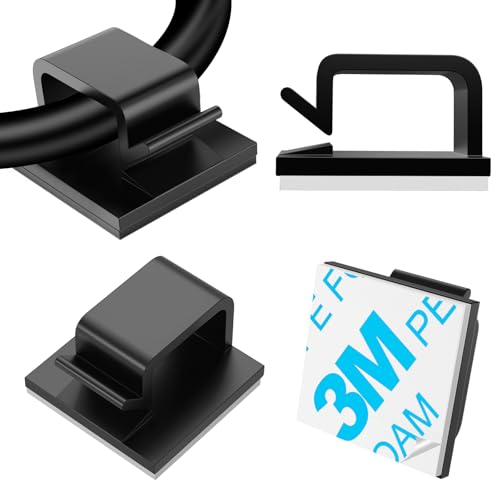
120 PCS Cable Clips, Adhesive Cord Clips for Wires on Wall, Strong Wire Clips Holders Cord Organizer for Cable Management, Christmas Lights, USB, Phone Charger, Cat 6, Car Dash Cam (Small, Black)
- Package Includes: 120 black cable clips in a small box
- Material: Eco-friendly premium PA66 for durability
- Adhesive Design: Strong sticky back for secure attachment
As an affiliate, we earn on qualifying purchases.