If you prioritize image quality and want a permanent setup, a fixed frame screen with its high-quality matte surface is ideal and simple to install. If you prefer flexibility, space-saving options, or a sleek look, a motorized screen offers convenience and the ability to hide when not in use. Consider your space, maintenance, and how often you’ll use the screen. Keep exploring so you can pick the option that will truly enhance your viewing experience.
Key Takeaways
- Prioritize image quality and permanence with fixed frame screens for the best clarity and color accuracy.
- Choose motorized screens for convenience, space-saving, and seamless integration into retractable or hidden setups.
- Consider installation complexity: fixed frames are simpler, while motorized screens require planning for power and mounting.
- Assess durability needs; fixed screens are low-maintenance and ideal for busy environments or children.
- Match your usage habits and space preferences to decide whether permanent clarity or flexible, hidden operation suits your lifestyle.
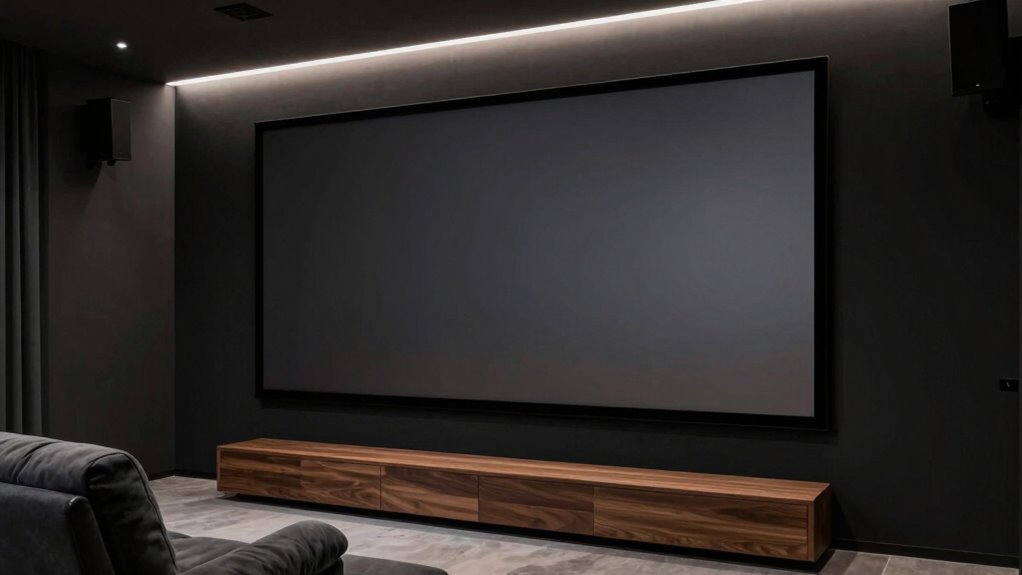
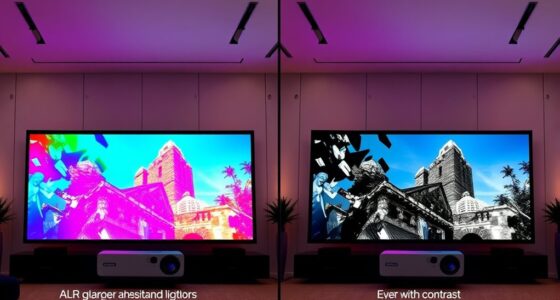
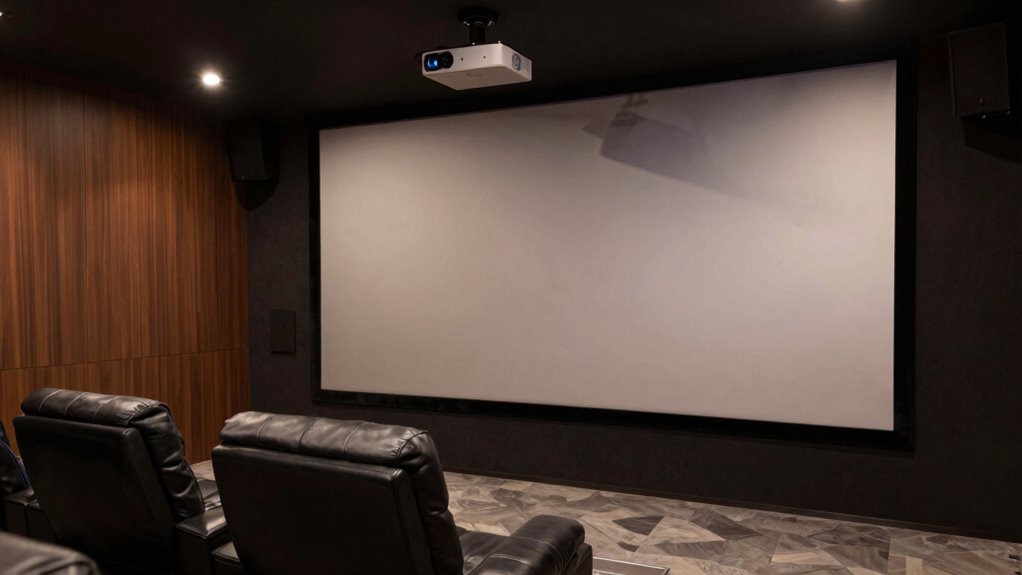
Are you torn between choosing a fixed frame or a motorized projection screen? It’s a common dilemma, and your decision depends largely on how you plan to use your space and what features matter most to you. First, consider the screen material. Fixed frame screens often feature high-quality, matte white surfaces that deliver sharp, vibrant images with excellent color accuracy. These screens are typically designed to minimize glare and reflection, making them ideal for dedicated home theaters where image clarity is a priority. On the other hand, motorized screens offer versatility, with many models using advanced materials that can enhance contrast and viewing angles. Some even come with specialized surfaces, like ambient light-rejecting materials, to improve image quality in less controlled lighting environments. So, if your main concern is picture quality, pay close attention to the screen material, regardless of whether it’s fixed or motorized.
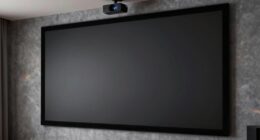
Installation options are another key factor. Fixed frame screens are generally straightforward to install, often mounted directly onto a wall or ceiling. They require a dedicated space and are best suited for permanent setups, so they’re perfect if you want a sleek, always-ready display. Since they’re fixed, you don’t need to worry about retraction mechanisms or motorized components, which means fewer maintenance concerns and a lower likelihood of malfunction. Motorized screens, however, offer the convenience of retractability. They can be neatly hidden away when not in use, freeing up space and maintaining a clean look. Installing a motorized screen involves more planning—power outlets, mounting brackets, and ensuring the motor’s smooth operation are essential considerations. Some models are ceiling-mounted, while others can be recessed into the ceiling for a more seamless appearance. If you value flexibility and space-saving options, a motorized screen might be worth the extra installation effort. Additionally, understanding the types of screen materials available can help you choose one that matches your viewing environment and preferences.
Another factor to consider is the durability of the screen, especially if you have children or pets, to ensure your investment lasts over time. Ultimately, your choice hinges on your priorities. If you want a high-quality, permanent setup with optimal image clarity, a fixed frame screen with the right screen material is likely the best fit. If convenience, space efficiency, and the ability to hide your screen when it’s not in use matter more, then a motorized option with suitable installation options will serve you well. Both types can deliver impressive viewing experiences, but understanding how screen material and installation options align with your needs will help you pick the screen you’ll actually enjoy every time you watch.

Akia Screens 100 Inch Fixed Frame Projector Screen, 16:9, 8K / 4K Ultra HD Projector & 3D Ready, Wall Mount CINEWHITE UHD-B Indoor Projection Screen for Home Theater, Cinema AK-FF100WH2
100-INCH FIXED FRAME DISPLAY: 100-inch diagonal fixed frame projector screen with a 16:9 aspect ratio. Viewable area measures…
As an affiliate, we earn on qualifying purchases.
As an affiliate, we earn on qualifying purchases.
Frequently Asked Questions
Which Screen Type Offers Better Durability Over Time?
You’ll find that fixed frame screens generally offer better durability over time because their sturdy, rigid structure resists warping and sagging. They also provide a sleek look with fewer moving parts, reducing wear. Plus, fixed frames come with various aesthetic options and high customization potential, allowing you to choose materials and designs that enhance longevity. This makes them a reliable choice for long-term performance and maintaining a stylish appearance.
Are Motorized Screens More Energy-Efficient Than Fixed Frames?
Motorized screens generally use more energy than fixed frames because they require power to operate the motor. Their energy consumption and power usage depend on the size and model, but they tend to consume more electricity due to the motorized mechanism. If you’re looking to save on energy costs, fixed screens are more energy-efficient since they have no moving parts and use less power.
How Do Installation Costs Compare Between Fixed and Motorized Screens?
You might worry about installation costs, but motorized screens can actually save money long-term with easier setup and fewer maintenance needs. Fixed frames often have lower initial costs but may require more upkeep to maintain aesthetic appeal. Motorized screens, while initially pricier, offer sleek integration and convenience, making installation smoother and more attractive. Over time, they can be more cost-effective and keep your space looking modern and tidy.
Can I Upgrade a Fixed Frame to a Motorized System Later?
You can upgrade a fixed frame to a motorized system later, but it’s not always straightforward. Typically, you’ll need to replace the wall mounting setup and install a remote control-compatible motorized mechanism. This process may involve some re-wiring and adjustments to guarantee smooth operation. Keep in mind, upgrading can be more complex and costly than choosing a motorized screen initially, so plan ahead if you want that convenience.
Which Screen Type Is More Suitable for Outdoor Use?
If you want a screen that can withstand a hurricane, go for a weather-resistant outdoor model. These screens are built tough with weather resistance features to handle rain, wind, and sun. Plus, they deliver stunning visual clarity even in bright daylight. A weather-resistant outdoor screen guarantees you get crisp images and durability, making it the perfect choice for enjoying movies or sports outside without worry.

YODOLLA 150" Projector Screen Motorized 16:9, 4K HD Pull Down Retractable Projection Screens Electric Automatic Wall Ceiling Movie Screen for Office Classroom Indoor with Remotes
【Watch Before Buying】Please read the dimensions carefully and measure the size corresponding to the desired scene before confirming….
As an affiliate, we earn on qualifying purchases.
As an affiliate, we earn on qualifying purchases.
Conclusion
Choosing between a fixed frame and motorized screen might seem like a small decision, but it can totally transform your viewing experience. Think of your screen as the gateway to epic movie nights and unforgettable gaming marathons — it’s your personal cinema. So, pick the one that suits your space and lifestyle best, and prepare to be blown away every time you hit play. After all, this isn’t just a screen; it’s your ticket to a universe of entertainment!

AAJK ALR Projector Screen, 4K Movie Projector Screen 16:9 HD Foldable Anti-Crease Portable Projector Movies Screen for Home Theater Outdoor Indoor Support (80in Pro)
【Watch What You Want, When You Want!】 Remember when you could only really use your projector at night?…
As an affiliate, we earn on qualifying purchases.
As an affiliate, we earn on qualifying purchases.
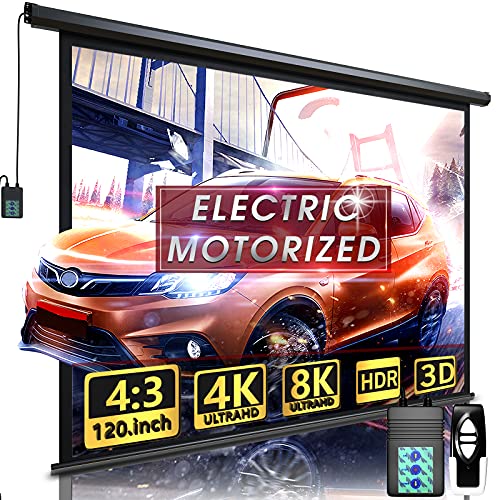
Motorized Projector Screen – Indoor and Outdoor Movies Screen Electric Projector Screen W/Remote Control (120 inch)
Size and Aspect Ratio: 4:3 aspect ratio, 120 inch diagonal screen size: 93.7 x 69.69 inch. Carton size:…
As an affiliate, we earn on qualifying purchases.
As an affiliate, we earn on qualifying purchases.