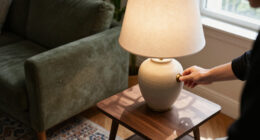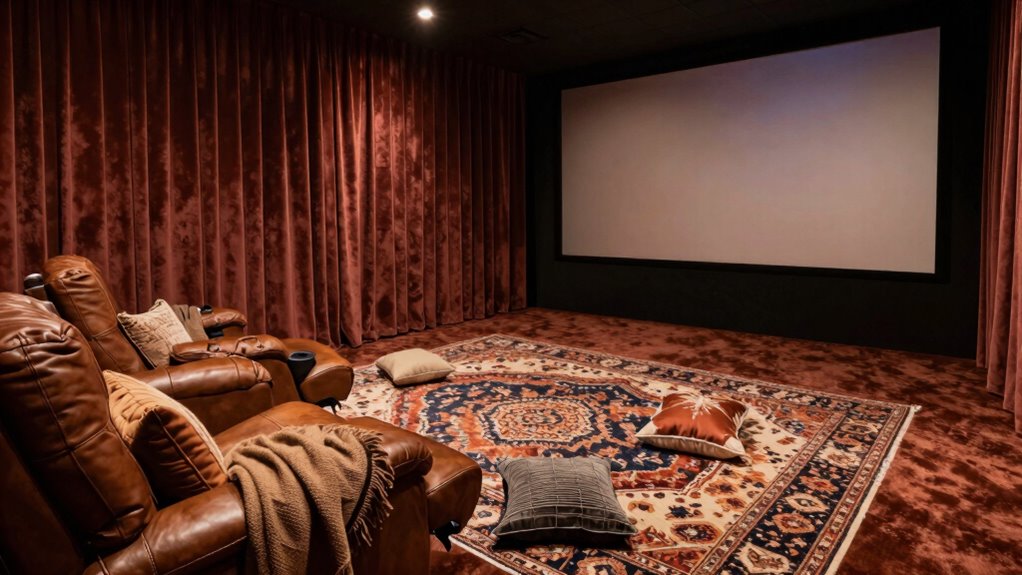

Carpets, rugs, and soft furnishings are key for creating a better home theater experience because they absorb sound, reduce echoes, and keep noise transfer minimal. They boost sound clarity, making dialogue or music more enjoyable. Plus, soft furnishings add comfort and style, making your space inviting. Choosing the right materials can also improve insulation and privacy. Keep exploring to learn how these elements can transform your home theater into a perfect, cozy retreat.

Get business pricing on your home office setup
- Business-only prices and quantity discounts
- Tax-exempt purchasing
- Multiple users, one account, clear invoices
Key Takeaways
- Soft furnishings absorb sound waves, reducing echoes and improving audio clarity in the home theater.
- They enhance visual aesthetics, creating a warm, inviting, and cohesive environment.
- Carpets and rugs control noise transfer between rooms, ensuring privacy and reducing disturbances.
- Plush soft furnishings increase comfort and insulation for a more relaxing viewing experience.
- Proper soft furnishings optimize acoustic performance, balancing sound quality with aesthetic appeal.
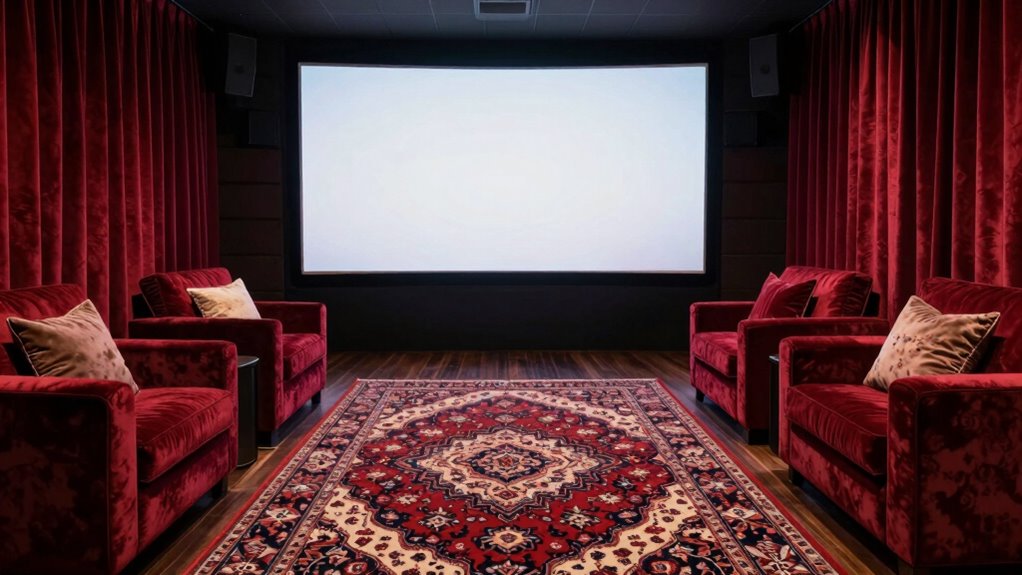
Have you ever considered how your home theater’s comfort and sound quality depend on more than just the equipment? It’s easy to focus solely on high-end projectors, surround sound systems, and the latest screens, but the true experience hinges on the environment you create around them. Soft furnishings like carpets and rugs play a crucial role in this setup. They help with acoustic absorption, reducing echoes and sound reflections that can muddle dialogues and distort music. Without these materials, your soundscape can feel harsh or overly bright, making it harder to enjoy movies and shows fully. When you add plush carpets or thick rugs, you’re effectively dampening unwanted reverberations, resulting in clearer, more immersive audio.
Beyond sound, soft furnishings also influence your home theater’s visual aesthetics. The right carpet or rug sets a tone, adds warmth, and balances the room’s overall design. If you choose a color and texture that complement your decor, your space becomes more inviting and cohesive. Conversely, a mismatched or bland floor covering can detract from the ambiance, making the room feel cold or uninviting. Soft furnishings bring a tactile element that enhances the visual appeal while also offering practical benefits. When you incorporate cozy rugs or plush cushions, you create a layered look that feels both stylish and comfortable, encouraging longer viewing sessions without feeling cramped or sterile. Additionally, choosing the right soft furnishings can help optimize the room’s acoustic performance for an even better viewing experience.
You should also consider how soft furnishings impact the room’s acoustics from a practical perspective. Hard surfaces like wood or tile floors bounce sound waves, creating echoes that interfere with clarity. By contrast, carpets and rugs absorb these sound waves, making the audio more precise. This isn’t just about comfort; it’s about creating a balanced sound environment where dialogue, music, and effects come through crisp and natural. Proper sound absorption is essential for enhancing overall audio clarity in a dedicated home theater. Soft furnishings also help control noise transfer between rooms, ensuring your home theater remains a private, undisturbed sanctuary. Moreover, selecting the right materials and thicknesses can further improve sound insulation, adding an extra layer of privacy and tranquility to your space. As an added benefit, soft furnishings can also help reduce the overall noise pollution in your home, making it a more peaceful environment.
In addition, the tactile comfort provided by carpets and soft furnishings encourages you to relax fully. Sitting on a plush rug or leaning against a soft cushion makes long movie nights more enjoyable. They add a layer of insulation against cold floors and help buffer external noises, giving you a more controlled acoustic environment. When selecting soft furnishings, considering their noise-absorbing properties can significantly enhance your room’s acoustic environment. Ultimately, your choice of flooring and soft furnishings isn’t just about aesthetics or comfort. It’s an essential part of creating a high-quality home theater experience that combines sound clarity, visual appeal, and a cozy atmosphere.
As an affiliate, we earn on qualifying purchases.
Frequently Asked Questions
How Do Soft Furnishings Improve Sound Quality in a Home Theater?
Soft furnishings improve sound quality in your home theater by absorbing sound waves, which reduces echoes and enhances clarity. They provide effective sound absorption, making your audio more precise and immersive. Additionally, soft furnishings help with noise reduction, preventing sound from bouncing around the room and disrupting your viewing experience. By incorporating carpets, rugs, and soft furnishings, you create a balanced acoustic environment that elevates your home theater enjoyment.
What Materials Are Best for Carpets in a Home Theater Environment?
You should choose carpets with dense, plush fibers like nylon, wool, or Triexta, which absorb sound and reduce echo. Look for rug padding made from dense foam or rubber, providing extra cushioning and sound insulation. These materials work together to create a quieter, more immersive home theater experience. Opt for high-quality carpet fiber types and padding materials to guarantee durability, comfort, and effective sound absorption.
Can Rugs Help Reduce Echo and Improve Acoustics?
Yes, rugs can definitely help reduce echo and improve acoustics in your home theater. They work through sound absorption, which lessens reflections and noise. To maximize this effect, choose rugs with thick, dense materials like wool or plush fibers, as they absorb more sound. Proper material selection is key to creating a balanced sound environment, making your movie experience clearer and more immersive.
Do Soft Furnishings Impact the Overall Aesthetic of a Home Theater?
Yes, soft furnishings considerably impact your home theater’s aesthetic. They add decorative accents that enhance the overall look, making the space feel cozy and inviting. By choosing items with complementary color coordination, you create a cohesive style that reflects your personality. Soft furnishings like plush rugs, curtains, and cushions not only improve acoustics but also contribute to a visually appealing environment, making your theater a true retreat.
How Often Should Carpets and Rugs Be Maintained for Optimal Performance?
You should vacuum carpets and rugs weekly to keep dust and debris at bay, like a vigilant guardian. Deep cleaning every 6 to 12 months guarantees peak performance and longevity. Implement stain prevention strategies, such as immediate spills and regular spot cleaning, to maintain their appearance. Consistent cleaning schedules not only preserve your soft furnishings but also enhance sound quality and comfort, making your home theater experience truly immersive.
acoustic carpets for home theater
As an affiliate, we earn on qualifying purchases.
As an affiliate, we earn on qualifying purchases.
Conclusion
In your home theater, carpets, rugs, and soft furnishings aren’t just about style—they enhance sound quality, reduce echoes, and create a cozy ambiance. These elements make your movie nights more immersive and comfortable. So, why settle for a bland space when small touches can make a big difference? With the right soft furnishings, you’re not just watching a film—you’re experiencing it. Ready to transform your space into the perfect cinematic retreat?
sound absorbing soft furnishings
As an affiliate, we earn on qualifying purchases.
As an affiliate, we earn on qualifying purchases.
As an affiliate, we earn on qualifying purchases.
Fall Picks
fall essentials
As an affiliate, we earn on qualifying purchases.