When comparing brightness specs, understanding lumens, ANSI lumens, and ISO lumens helps you select the right device. Lumens measure overall light output, but ANSI lumens are the standard used in projectors, averaging multiple measurements for accuracy. ISO lumens follow a different testing method. Knowing these differences makes sure you don’t overestimate real-world brightness. If you keep exploring, you’ll get a clearer picture of how these standards impact performance and your purchasing decisions.

Get business pricing on your home office setup
- Business-only prices and quantity discounts
- Tax-exempt purchasing
- Multiple users, one account, clear invoices
Key Takeaways
- ANSI lumens are the standard measurement for projector brightness, averaging multiple readings for a realistic output estimate.
- ISO lumens are based on a different testing method, leading to slight variations compared to ANSI lumen ratings.
- Higher lumen ratings generally indicate a brighter device, but technology type influences actual perceived brightness.
- Understanding measurement standards helps set realistic expectations and compare projector performance accurately.
- Brightness specs alone don’t determine quality; consider technology and environment for optimal device selection.

Understanding brightness specifications is vital when choosing a projector or lighting device, but the terminology can be confusing. One of the most common metrics you’ll encounter is lumens, which measures the overall light output. However, not all lumens are created equal, especially when it comes to projectors. Different projection technologies and brightness measurement methods can affect how the brightness is rated and interpreted. So, it’s essential to understand what these terms mean and how they relate to your specific needs.
Projection technology plays a significant role in brightness ratings. For example, LCD, DLP, and LED projectors each produce different light intensities even if they have the same lumen rating. Some projectors might have higher brightness in theory but perform differently in real-world settings. This is where the measurement methods come into play. Brightness measurement methods, like ANSI lumens and ISO lumens, help standardize how brightness is quantified, making it easier for you to compare devices accurately.
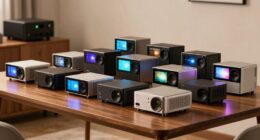
Different projection tech like LCD, DLP, and LED affects brightness, even with the same lumen ratings.
ANSI lumens are by far the most common measurement you’ll see. They were developed by the American National Standards Institute (ANSI) to create a consistent way of measuring brightness. This method involves taking multiple readings from different sections of the projected image, then averaging those to give a more accurate picture of real-world performance. When a projector lists its brightness as, say, 3000 ANSI lumens, you can generally trust that number to reflect how bright it will appear in typical usage, especially in well-lit rooms.
ISO lumens, on the other hand, are used mainly in the context of projectors and are based on a different measurement standard. While similar in concept, ISO lumens are derived through a different testing process, which can sometimes result in slightly different brightness ratings compared to ANSI lumens. Understanding this difference can help you better interpret specifications, especially when comparing brands or models that use different standards.
In addition, the measurement standard can influence the perceived brightness, so being aware of which standard a device uses can help you set realistic expectations. In essence, grasping the nuances of projection technology and brightness measurement methods allows you to make smarter choices. It’s tempting to just go for the highest lumen number you see, but understanding whether that number is in ANSI or ISO lumens—and what kind of projection technology the device uses—can make a big difference in your viewing experience. This knowledge guarantees you select a projector or lighting device that truly meets your brightness needs, whether it’s for a home theater, a classroom, or a large presentation room.
As an affiliate, we earn on qualifying purchases.
Frequently Asked Questions
How Do Ambient Light Conditions Affect Lumen Measurements?
Ambient lighting considerably impacts lumen measurements because brighter environments can make projector brightness appear less effective, reducing measurement accuracy. When you test in well-lit settings, the projector needs higher lumens to deliver a clear image, which can skew brightness ratings. To get accurate measurements, you should perform tests in controlled, dim environments, ensuring ambient lighting doesn’t distort the results, so you can compare projectors effectively.
Are Higher Lumen Ratings Always Better for Projectors?
A higher lumen rating isn’t always better for projection brightness, especially if you’re in a dim room—it’s like using a sledgehammer to crack a nut. While more lumens can improve visibility in bright environments, lumen reliability matters just as much. Choose a projector with an appropriate brightness level for your space, and verify its lumen specs are consistent. Overshooting can lead to unnecessary glare and wasted energy.
What Are the Differences Between Lumens and Lux?
Lumens measure the total amount of light a projector emits, while lux gauges light intensity on a specific surface. You’ll notice that lumens relate to overall brightness, whereas lux affects how bright a screen appears in a given space. When considering light measurement units, remember that higher lumens don’t always mean better brightness perception if the environment isn’t suitable. Both units help you understand how well a projector will perform in different settings.
Can Two Devices With the Same Lumens Have Different Brightness?
Ever wondered if two devices with the same lumens can appear differently bright? They can, because brightness perception depends on measurement standards and how light is distributed. Even with identical lumens, one projector might focus light more efficiently, creating a brighter image, while another spreads it out. So, always consider factors like measurement standards and light distribution, not just lumens, to judge true brightness.
How Should I Choose Between ANSI and ISO Lumen Ratings?
You should choose between ANSI and ISO lumen ratings based on your needs for projection quality and device compatibility. ANSI lumens are more common and provide a standardized measure, ensuring consistent brightness across different projectors. ISO lumens tend to be slightly higher and are often used for larger, professional displays. To get accurate results, compare ratings from similar measurement standards, ensuring your device matches your environment and usage requirements.
As an affiliate, we earn on qualifying purchases.
Conclusion
Now that you understand lumens, ANSI lumens, and ISO lumens, you’re like a navigator with a clear map through the brightness jungle. These specs are your guiding stars, shining light on what’s truly bright when choosing a projector or light. Think of lumens as the heartbeat of brightness, pulsing with energy. With this knowledge, you can confidently pick the right brightness, turning your viewing experience into a vivid, crystal-clear adventure.
best DLP projectors with high brightness
As an affiliate, we earn on qualifying purchases.
As an affiliate, we earn on qualifying purchases.
portable projector with ISO lumens
As an affiliate, we earn on qualifying purchases.
As an affiliate, we earn on qualifying purchases.
Halloween Picks
halloween
As an affiliate, we earn on qualifying purchases.