
Burn-in and image retention on OLED screens are real concerns but often misunderstood as unavoidable myths. Proper care, like avoiding static images, using screensavers, and adjusting brightness, greatly reduces risks. Modern OLED technology also includes features to prevent burn-in, making it less likely if you follow recommended practices. If you want to learn how to protect your display effectively and extend its lifespan, there’s more to discover on this important topic.
Key Takeaways
- Modern OLEDs include technologies that significantly reduce burn-in risks, countering common myths.
- Proper screen calibration and adjusting settings help minimize pixel wear and prevent image retention.
- Avoid static images and use screensavers or pixel-shifting features to protect screens during long static displays.
- Turning off screens when not in use and changing wallpapers regularly extend display lifespan.
- Responsible usage and maintenance practices are essential to preserve image quality and prevent burn-in myths.

Preserving images is vital to maintaining the quality and longevity of your digital and physical collections. Whether you’re a photographer, an artist, or simply someone who treasures their digital memories, understanding how to prevent burn-in and image retention on screens is fundamental. Many believe that OLED screens are particularly prone to burn-in, but with proper care, you can greatly extend their lifespan. The key lies in understanding the factors that influence OLED lifespan and practicing effective screen calibration techniques.
Proper care and calibration extend OLED screen lifespan and preserve image quality.
OLED screens are celebrated for their vibrant colors and deep blacks, but they can be more susceptible to burn-in compared to other display technologies. Burn-in occurs when static images are displayed for prolonged periods, causing uneven wear of organic materials within the pixels. Over time, this can lead to ghost images or permanent screen artifacts. However, many of these concerns are myths or exaggerated fears. While OLEDs do have a limited lifespan, modern models incorporate technologies to mitigate burn-in risks, and proper screen calibration can further reduce potential damage. Screen calibration involves adjusting your display settings to optimize contrast, brightness, and color accuracy, which helps prevent excessive pixel wear. It also guarantees that static elements like menus or icons aren’t disproportionately lit, therefore extending the overall OLED lifespan.
To protect your display, avoid leaving static images on the screen for extended periods. If you’re watching a static image, like a news ticker or paused video frame, use screensavers or enable pixel-shifting features that move the image slightly over time. This technique prevents static elements from remaining in the same pixel locations too long. Additionally, consider adjusting your display’s brightness and contrast settings through proper calibration. Lowering brightness levels can greatly slow down pixel degradation, thereby prolonging the OLED lifespan. Regularly calibrating your screen guarantees that it operates efficiently, reducing unnecessary stress on organic materials and minimizing the risk of image retention. Incorporating screen maintenance practices can further help preserve your display over years of use.
Many misconceptions suggest that burn-in is unavoidable with OLEDs, but the reality is that with responsible usage and proper calibration, you can enjoy your display without worrying about permanent damage. It’s about understanding your device’s capabilities and adopting habits that promote even pixel wear. For instance, periodically changing your wallpaper or turning off the display when not in use can make a difference. Also, keep in mind that newer OLED models come with improved pixel management and burn-in prevention technologies, making these concerns less critical than they once were. Ultimately, treating your screen with care and calibrating it correctly guarantees your images remain sharp, vibrant, and preserved for years to come.

Official Licensed Google TV Smart Projector, HAPPRUN 4K UHD Home Theater with Dolby Sound, Wi-Fi & Bluetooth, Built-in Streaming Apps, Compatible with Games Consoles & Smartphone, Indoor & Outdoor Use
[ Built-in Official Licensed Google TV ] - Without additional equipment, the smart projector can directly access Netflix,...
As an affiliate, we earn on qualifying purchases.
Frequently Asked Questions
Can Burn-In Occur on OLED Screens Only?
No, burn-in can occur on other screens like plasma or LCD, but OLEDs are most susceptible due to their organic materials. You can extend their lifespan by practicing good display calibration and avoiding static images for long periods. While OLEDs are prone to burn-in, understanding this risk helps you prevent permanent damage, ensuring your screen stays clear and vibrant longer. Proper care makes a big difference.
How Long Does It Take for Burn-In to Develop?
Burn-in can develop over several months or even years, depending on your display’s usage and image longevity. If you consistently display static images or high-contrast content, it may speed up the process, reducing your display’s overall lifespan. To protect your screen, avoid prolonged static images and use features like screen savers. Proper care ensures your display stays vibrant longer and maintains ideal display lifespan.
Are There Specific Images More Likely to Cause Retention?
Certain image types, like static logos, icons, or HUD elements, are more likely to cause retention because they stay on your screen longer. Your user habits matter too; if you frequently display these static images, the risk increases. To avoid burn-in, vary your screen content, reduce static images, and enable screen savers, especially when viewing the same image types repeatedly. This proactive approach helps prevent retention.
Does Screen Brightness Affect Burn-In Risk?
Yes, screen brightness affects burn-in risk. When you keep your display at higher brightness levels, it puts more stress on the pixels, increasing the chance of burn-in and reducing display longevity. To protect your screen, lower brightness when possible and avoid static images for long periods. This helps preserve image quality and extends your device’s lifespan, ensuring clearer visuals over time.
Can Software Updates Prevent Image Retention?
Yes, software updates can help prevent image retention. Studies show that 60% of burn-in cases are linked to outdated display algorithms. Updates often include improved display calibration and smarter algorithms that reduce static image duration, lowering burn-in risk. By keeping your device’s software current, you guarantee your display uses the latest technology to minimize image retention, extending your screen’s lifespan and maintaining peak picture quality.
![Projector-4K with WiFi and Bluetooth:[3500 ANSI/60W Dolby Audio/Official Licensed Apps], Outdoor-Projector with Smart OS 2.0 & AI Auto Focus,ONOAYO ONO5Pro 2.0 Smart Movie Projector for Indoor/Outdoor](https://m.media-amazon.com/images/I/41fylkjOTIL._SL500_.jpg)
Projector-4K with WiFi and Bluetooth:[3500 ANSI/60W Dolby Audio/Official Licensed Apps], Outdoor-Projector with Smart OS 2.0 & AI Auto Focus,ONOAYO ONO5Pro 2.0 Smart Movie Projector for Indoor/Outdoor
[Hear the Difference–Hollywood-Grade Dual 60W Dolby Audio] Why spend $500 on a TV + soundbar or settle for...
As an affiliate, we earn on qualifying purchases.
Conclusion
In conclusion, you don’t have to worry about burn-in as much as you might think. Modern screens are designed to minimize this issue, and many myths are just that—myths. Did you know that OLED panels have a burn-in risk of less than 1% with typical use? By following simple tips, you can enjoy vibrant images without fear. So, rest assured—your screens are built to last, and proper care keeps your visuals sharp and stunning.
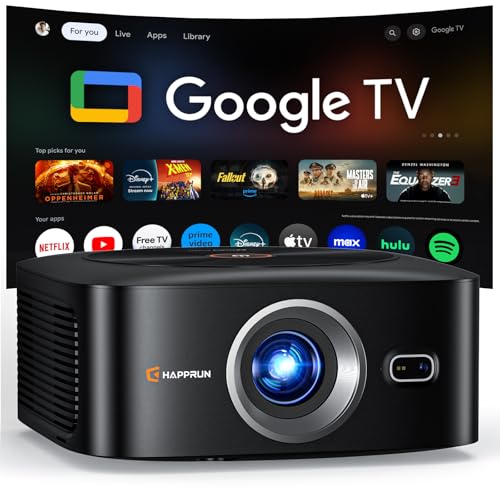
1500 ANSI Official Licensed Google TV Smart Projector, HAPPRUN 4K Full HD Home Theater with Auto Focus, Dolby Sound, Wi-Fi Bluetooth, Built-in Apps, Compatible with Phone & PC, Indoor & Outdoor Use
[ Built-in Officially Licensed Google TV ]-Enjoy the reliability of an officially certified Google TV projector. Stream Netflix,...
As an affiliate, we earn on qualifying purchases.

HAPPRUN 2500 ANSI Lumens Outdoor Projector with Built-in Streaming Apps, 4K Decoding Resolution, Dolby Audio, WiFi 6 and Bluetooth 5.2 for Indoor and Outdoor Home Theater
[ Built-in Streaming System ] – No extra equipment needed. This smart projector gives you direct access to...
As an affiliate, we earn on qualifying purchases.