
TL;DR

Get business pricing on your home office setup
- Business-only prices and quantity discounts
- Tax-exempt purchasing
- Multiple users, one account, clear invoices
Livingetc’s interior design report presents silver as a neutral option for contemporary homes, used through materials such as chrome, stainless steel and brushed metal rather than paint alone. Designer Felizia Berchtold says reflective finishes change with their surroundings and can add warmth as well as shine; the report offers no survey or sales data measuring how widespread the trend is.
Livingetc has made the case for silver-toned finishes as a neutral in contemporary interiors, pointing to stainless-steel cabinetry, chrome accessories and brushed metals as ways to introduce the reflective look. Interior designer Felizia Berchtold says these surfaces can change with their surroundings and reflect light, challenging the perception that metallic interiors must feel cold.
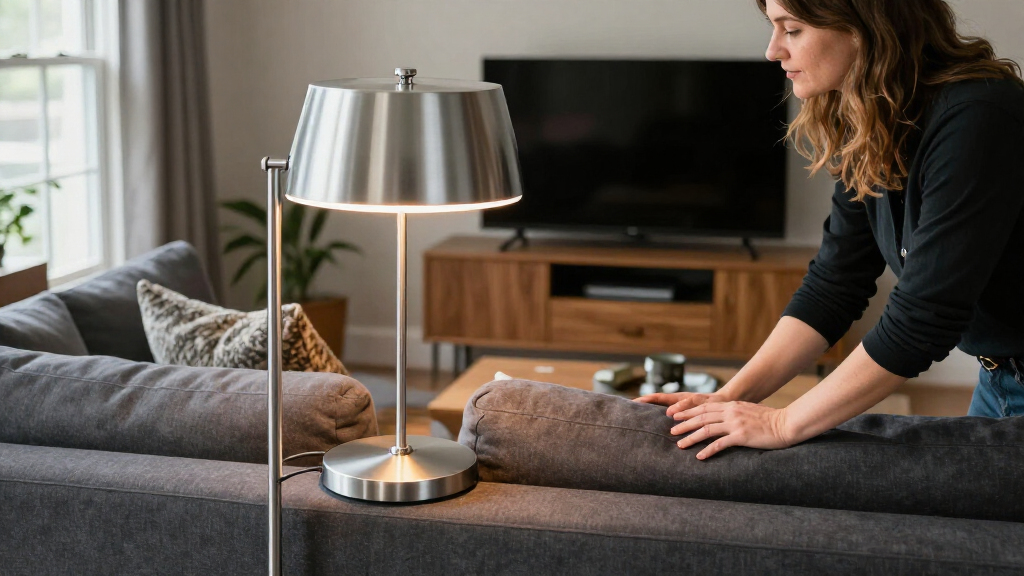
The report distinguishes silver from ordinary gray: both share a similar cool hue, but silver’s metallic sheen makes it respond to light and nearby colors. Its examples range from smaller pieces, such as lamps and vases, to larger applications including kitchen surfaces and cabinetry. The report describes “Glacier Silver” as a featured hue, but does not provide market data establishing how common the look has become.
Berchtold, director and designer at Studio Tutto Bene, describes silver as an architectural material or a form of light rather than a fixed color. “Silver-toned metallic finishes catch the light and frame it. It also borrows color from its surroundings, shifting through the day,” she says. That behavior, in the report’s account, lets a finish take on different qualities as daylight and nearby materials change.
Pairings can shape the effect. Berchtold says chrome alongside wood and warm tones creates contrast, while silver near stone and cooler colors can reinforce a more tonal atmosphere. She also singles out green as a complementary partner. Livingetc cites a Milan pied-à-terre with a kitchen covered in silver leaf as an example of a bolder approach; the report says its reflective surfaces give the kitchen both a presence and a visual lightness.
How Reflective Finishes Shape a Room
The design case matters to homeowners because it reframes a material often associated with appliances and work surfaces as a feature that can influence a room’s light, color and texture. Instead of functioning as a flat, consistent shade, reflective metal can pick up surrounding tones. That makes the finish potentially useful for connecting colors across a space or setting a crisp contrast against warmer materials.
The report also addresses a practical concern: that too much silver might make a home feel cold or clinical. Berchtold’s explanation is that reflections change with the environment, while wood, green and other warmer elements can ground the effect. This is design guidance, not evidence that every metallic finish will make a room feel warmer; the result depends on its placement, surrounding materials and lighting.
For readers deciding how much to use, the examples span accent pieces through substantial applications such as full kitchen cabinetry. Livingetc’s recommendation to commit to a more complete look is the publication’s design opinion, rather than a tested rule. A smaller fixture or accessory remains a lower-commitment way to see how a reflective surface behaves in a specific home.
Products Worth Considering

LEVOIT Air Purifier for Home, Pets, Bedroom, Smart WiFi

Shark AI Ultra Robot Vacuum, Black/Silver, AV2511AE

eufy Security Floodlight Camera E30, 2K
As an affiliate, we earn on qualifying purchases.
From Gray Paint to Metal Surfaces
The source frames silver as both a color and a material. It shares gray’s place on the color spectrum but differs through its reflective finish. The contemporary examples are generally not solid silver objects: they include stainless steel, chrome, brushed metals and silver-toned finishes. That distinction matters because the report’s argument rests on how surfaces reflect their surroundings, not just on a gray-like shade.
Silver already appears in kitchens and bathrooms, often in hardware or individual architectural details. Livingetc’s report extends the idea to more prominent uses, including cabinetry and silver leaf. Berchtold contrasts silver’s association with the past with chrome’s forward-looking feel, while saying both appeal to people’s attraction to shine. These are her design observations, not a documented history of consumer preferences.
““Silver-toned metallic finishes catch the light and frame it. It also borrows color from its surroundings, shifting through the day.””
— Felizia Berchtold, director and designer at Studio Tutto Bene
How Broad Is the Silver Trend?
The supplied report presents silver as a design direction but gives no survey, sales figures or comparison period showing whether its use is increasing across the wider interior design market. Its examples and recommendations are editorial and attributed to Berchtold; they do not establish that designers generally share the same view or that silver is replacing other neutrals.
It is also unclear how a particular finish will appear in any given home. The report says reflections change with light and surroundings, but does not compare finishes, room orientations or lighting conditions. The practical result will vary with the metal’s surface, the colors around it and the light available.
Choosing a Finish for Your Space
The report does not announce a launch, industry deadline or next scheduled development. For homeowners interested in the look, its examples suggest starting with the intended role of the finish: an accessory or hardware detail for a restrained accent, or a larger surface for a more pronounced effect. Pairing silver with wood, green or warm paint may soften its cool appearance; stone and cooler colors can create a more coordinated, tonal scheme, according to Berchtold.
Whether silver becomes a lasting mainstream neutral or remains a prominent choice in design coverage is not established by the source. Further evidence would include broader adoption across projects or market data. For now, Livingetc’s report offers a design perspective and examples, rather than a measured forecast of what consumers will choose next.
Key Questions
Is silver being presented as a new neutral?
Livingetc presents silver-toned metal finishes as a versatile neutral option. The report does not provide market data to show that silver is widely replacing established neutrals.
Does decorating with silver mean painting a room gray?
No. The report focuses on reflective materials such as chrome, stainless steel, brushed metal and silver leaf. It distinguishes their sheen from ordinary gray paint.
How can silver finishes avoid a cold look?
Berchtold says silver changes with its surroundings. Livingetc’s examples pair it with wood, green and warm tones, which can balance the cool appearance of metal.
Where does the report suggest using silver?
Examples include kitchen and bathroom hardware, lamps, vases, cabinetry and larger surfaces. The report gives both small accents and more extensive applications as options.
Source: livingetc.com