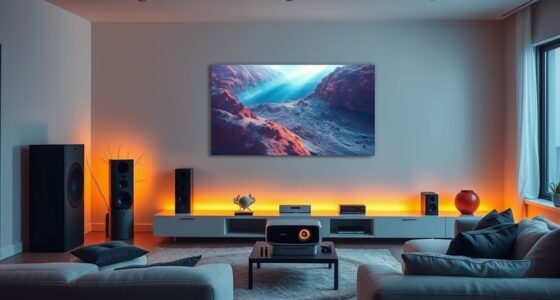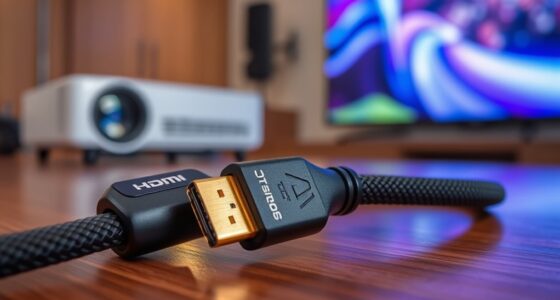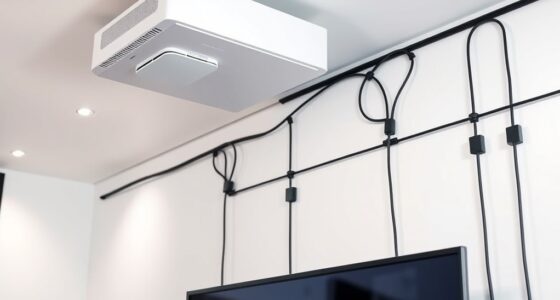

Choosing cheap cables might save you money upfront, but it can lead to hidden costs that impact your 4K HDR experience. Poor-quality materials and weak shielding cause signal degradation, pixelation, and color issues that worsen over time. Fragile construction increases the risk of damage and intermittent connection problems, which may damage your devices or require frequent replacements. To guarantee consistent, high-quality performance and avoid these costly issues, understanding the true value of quality cables is essential—stay tuned to discover more.
Key Takeaways
- Cheap cables often require frequent replacements, increasing long-term costs despite initial savings.
- Inferior materials and shielding compromise signal quality, leading to picture degradation and potential device damage.
- Poor durability makes cheap cables vulnerable to physical damage, causing intermittent signal loss and repair expenses.
- Signal degradation over time from low-quality cables results in diminished 4K HDR image clarity and color accuracy.
- Investing in high-quality cables ensures reliable signal transmission, reducing troubleshooting and safeguarding long-term system performance.
While cheap cables may save you money upfront, they often come with hidden costs that can outweigh the initial savings. When you’re dealing with high-quality 4K HDR content, the last thing you want is poor signal integrity caused by subpar cables. Cheap cables are more likely to suffer from signal degradation, which can lead to pixelation, color inaccuracies, or flickering during playback. Over time, these issues become more pronounced, especially as the cable ages and its internal shielding or connectors wear down. This isn’t just about picture quality—it’s about the long-term durability of your setup. A cable that can’t maintain a stable signal over months or years will force you to replace it sooner, negating any initial savings.
Cheap cables may save money initially but often lead to signal issues and costly replacements over time.
The core problem with inexpensive cables is that they often use inferior materials. Low-quality copper, thin shielding, and weak connectors compromise the cable’s ability to transmit high-bandwidth signals reliably. This results in signal degradation, especially when transmitting 4K HDR signals, which require a robust and interference-free connection. Without proper shielding, external electromagnetic interference (EMI) can seep in, further corrupting the signal. As a consequence, you might notice inconsistent picture quality, audio drops, or delays that interfere with your viewing experience. Over time, this degradation worsens, and you may find yourself troubleshooting or replacing cables more frequently.
Long-term durability is another critical concern. Cheap cables tend to have lower build quality, making them vulnerable to physical damage. Bending, twisting, or even slight tugging can weaken internal wires or dislodge connectors, leading to intermittent signal loss. This fragility means that your cable’s performance is not just compromised by external interference but also by wear and tear. As the cable deteriorates, the likelihood of needing repairs or replacements increases, which can be more costly than investing in a quality cable from the start. By choosing a cable designed for longevity, you ensure that your signal remains stable, enabling you to enjoy your 4K HDR content without worrying about interruptions or image quality issues.
Additionally, selecting cables with proper shielding and materials can significantly improve overall signal fidelity, ensuring your high-bandwidth content is transmitted without degradation. Ultimately, it’s about protecting your investment in your home entertainment system. While the initial price of a cheap cable might seem appealing, the hidden costs—such as frequent replacements, poor signal quality, and potential damage to your devices—quickly add up. Investing in a high-quality cable ensures better signal integrity and long-term durability, providing a reliable connection that supports 4K HDR at full bandwidth. You’ll enjoy sharper images, richer colors, and a seamless viewing experience without the frustration of degraded signals or constant replacements. When it comes to high-definition content, cutting corners on cables isn’t worth the risk; quality cables pay off in the long run.

Ubluker 10K 8K 4K HDMI Cable 48Gbps 6.6 FT, Certified Ultra High Speed HDMI® Cable 4K 240Hz 144Hz 120Hz 8K60Hz 0.01ms HDR10+ eARC HDCP2.3 Netflix Roku TV PC Monitor Projector PS5 Xbox
Certified HDMI Cable: The package has an official HDMI certification label. HDMI Officially Certified Fully compliant with the…
As an affiliate, we earn on qualifying purchases.
As an affiliate, we earn on qualifying purchases.
Frequently Asked Questions
How Do Cheap Cables Affect Long-Term Device Performance?
Cheap cables can negatively impact your long-term device performance by causing signal degradation, which may lead to image quality issues or intermittent connections. Over time, this can result in costly repairs or replacements, as your devices struggle to receive a stable, high-quality signal. Investing in quality cables guarantees ideal signal integrity, reduces the risk of damage, and saves you money by preventing the need for costly repairs or upgrades later on.
Can Cheap Cables Cause Safety Hazards or Electrical Fires?
Cheap cables can pose fire hazards and compromise electrical safety. They often lack proper insulation and quality components, increasing the risk of overheating, short circuits, or electrical fires. Using low-quality cables may save money initially but can lead to dangerous situations over time. To protect yourself and your devices, always choose certified, high-quality cables that meet safety standards, ensuring reliable performance and minimizing potential fire hazards.
Are There Specific Brands Known for Affordable yet Reliable Cables?
You can find affordable yet reliable cables from brands like AmazonBasics, Anker, and UGREEN. These brands have solid reputations for quality, backed by positive customer reviews. They offer budget-friendly options without sacrificing signal integrity or safety. Always check customer feedback and product ratings to make certain you’re choosing a cable that meets your needs. This way, you get good value without compromising on reliability or performance.
How Can Consumers Verify Cable Quality Before Purchase?
You can verify cable quality by checking for product certification labels like HDMI Premium Certified, which guarantee performance standards. Don’t just rely on flashy packaging—dive into user reviews to spot hidden issues or false claims. Imagine plugging in your device, only to face flickering or lag—prevention starts with scrutinizing certifications and real user feedback. This way, you ascertain your cable delivers flawless 4K HDR signals without unexpected surprises.
Do Cheap Cables Impact Gaming Latency or VR Experiences?
Cheap cables can definitely impact your gaming and VR experiences by causing signal degradation, which leads to increased latency issues. You might notice lag, reduced image quality, or dropped signals, especially during fast-paced gameplay or high-resolution VR. To avoid these problems, invest in quality cables that support proper bandwidth and shielding. This guarantees smooth performance, maintains immersive visuals, and minimizes frustrating delays during your gaming or VR sessions.
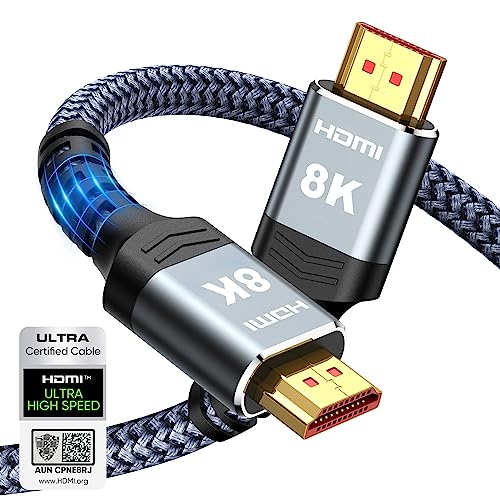
Highwings 8K 10K 4K HDMI Cable 48Gbps 6.6FT/2M, Certified Ultra High Speed HDMI Cable Braided Cord-4K@120Hz 8K@60Hz, DTS:X, HDCP 2.2 & 2.3, HDR 10 Compatible with Roku TV/PS5/HDTV/Blu-ray
Top Technology—-8K@60HZ: This 8K Ultra High Speed HDMI Cable uses the most cutting-edge technology, is compatible with 8K@60HZ…
As an affiliate, we earn on qualifying purchases.
As an affiliate, we earn on qualifying purchases.
Conclusion
So, don’t settle for cheap cables that cut corners and compromise your picture quality. Choose quality to guarantee clear signals, sharp images, and reliable performance. Prioritize durability to save money and avoid frustration. Invest in cables that uphold your 4K HDR experience, because quality matters, reliability counts, and your entertainment deserves the best. Remember, when you invest wisely, you get flawless visuals, seamless streaming, and peace of mind—making every viewing moment worth it.
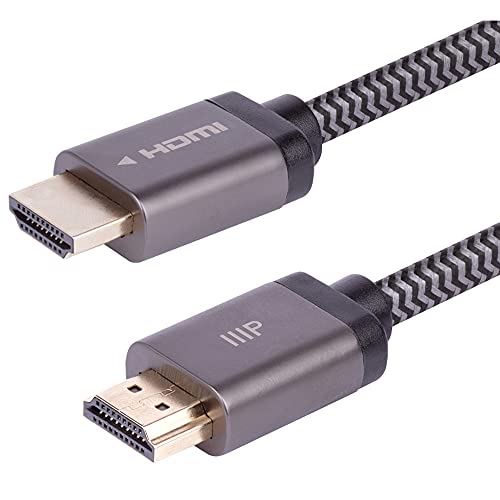
Monoprice 8K Certified Ultra High Speed HDMI Cable – Braided – HDMI 2.1, 8K@60Hz, 4K@120Hz, 48Gbps, HDR, VRR, CL2 In-Wall Rated, 10ft, Black
48Gbps Bandwidth: These cables feature up to 48Gbps bandwidth, which allows them to support high bandwidth dependent content…
As an affiliate, we earn on qualifying purchases.
As an affiliate, we earn on qualifying purchases.
Highwings 8K 10K 4K HDMI Cable 48Gbps 6.6FT/2M, Certified Ultra High Speed HDMI Cable Braided Cord-4K@120Hz 8K@60Hz, DTS:X, HDCP 2.2 & 2.3, HDR 10 Compatible with Roku TV/PS5/HDTV/Blu-ray
Top Technology—-8K@60HZ: This 8K Ultra High Speed HDMI Cable uses the most cutting-edge technology, is compatible with 8K@60HZ…
As an affiliate, we earn on qualifying purchases.
As an affiliate, we earn on qualifying purchases.