
TL;DR

Get business pricing on your home office setup
- Business-only prices and quantity discounts
- Tax-exempt purchasing
- Multiple users, one account, clear invoices
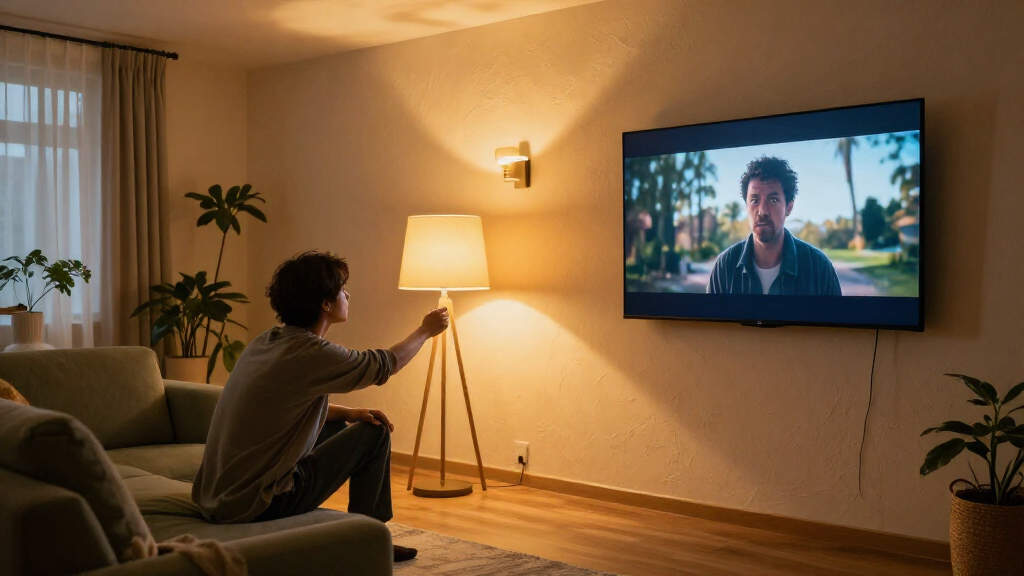
A Livingetc report highlights designers’ advice to use more low-level lighting as part of layered home lighting schemes. Designers interviewed say lights closer to the floor can create atmosphere, draw attention to materials and architectural details, and offer practical illumination; the report does not announce a new product or provide measured performance data.
Livingetc’s lighting report urges homeowners and designers to give low-level fixtures a larger role in layered lighting schemes, citing their ability to add atmosphere, reveal architectural details and provide illumination without relying only on ceiling lights. The advice comes from designers interviewed by the publication; it is design guidance, not a report of a new product launch or a measured industry trend.
The report defines low-level lighting by where a fitting sits: toward the lower half of a room, rather than by how dim or bright it is. Examples discussed include small fittings set into floors, as well as other light sources positioned closer to the ground. The central recommendation is to plan light from the ground up as well as from the ceiling down.
Julee Ireland, founder of Home Renovation School, says designers can focus heavily on decorative fixtures while overlooking light at lower heights. She argues that it can bring out materials, textures and architectural features, while adding warmth and atmosphere. Vanessa Macedo, an associate designer at John Cullen Lighting, similarly describes it as a way to add depth and direct attention to details that might otherwise go unnoticed.
Macedo says lower lighting can be useful in rooms with low ceilings, where a scheme relying heavily on downlights may feel cluttered or oppressive. The report also describes floor-level fittings as a way to highlight wall texture or illuminate a route through a space. Danielle Domingues of Collins & Co. Interiors cautions against treating low-level lighting only as a mood-setting choice, saying it can also serve practical needs in a family home.
How Lower Light Changes a Room
The report’s main point is that a lighting plan can do more than make a room bright enough to use. Light placement affects what people notice: a low source can pick out a wall finish, joinery, a walkway or another feature, while shadows and contrast contribute to the feel of the space. The designers describe this as part of a layered scheme, rather than a replacement for general or task lighting.
For readers planning a renovation or updating a room, the advice broadens the choices beyond a central ceiling fixture, wall lights and lamps. Lower fittings may offer another way to balance a room’s illumination, particularly where overhead lights dominate. The potential effect will depend on the room, the fitting and its placement; the report provides professional opinions, not comparative tests showing that one lighting arrangement works best for every home.
Products Worth Considering

Philips Hue Starter Kit with Bridge Pro and 4 Retrofit LED Recessed Downlights

Dyson Big Ball Multi Floor Canister Vacuum, Yellow

Philips Hue Smart Light Starter Kit with Bridge and 4 White and Color A19 Bulbs
As an affiliate, we earn on qualifying purchases.
From Ceiling-First to Layered Plans
The Livingetc article situates the recommendation within the familiar idea of layered lighting: combining sources for different purposes rather than asking one fixture to do everything. It distinguishes background lighting, which provides a usable base level, from task lighting, which is directed at particular activities. The designers’ case is that lower-positioned light can add another layer to that plan.
The report also contrasts this understated approach with attention on oversized, sculptural and brightly coloured fixtures. It does not say decorative lighting should be removed. Instead, Ireland and Macedo argue that attractive ceiling fixtures alone may leave opportunities to shape atmosphere and draw attention to detail unused. Ireland is described as a Los Angeles-based designer with more than 25 years of experience; Macedo’s work at John Cullen includes residential and other sectors.
“Too often, designers focus on beautiful decorative fixtures but overlook the importance of layering light from the ground up, not just from the ceiling down.”
— Julee Ireland, founder of Home Renovation School, as quoted by Livingetc
What the Design Advice Does Not Establish
The material supplied does not give a publication date, a survey of designers or homeowners, or data showing how widely low-level lighting is currently used. The article’s description of the approach as under-used reflects the views of the designers it quotes, rather than a quantified measure of adoption. It also offers no cost comparisons, energy-use figures or evidence that lower fittings will make every room feel larger or more comfortable.
The report does not set out technical specifications for particular fixtures or explain installation requirements for built-in floor lights. Suitability will vary by room and by intended use. Readers considering permanent electrical work should seek advice from a qualified professional and follow applicable safety and building requirements.
Planning a Lower Lighting Layer
The report gives no announced follow-up, product release or next milestone. Its practical suggestion is to consider low-positioned sources while planning a room’s broader lighting scheme, alongside background and task lighting. Homeowners can identify the areas they want to illuminate—such as a walkway, textured wall or architectural detail—and discuss appropriate fixtures and placement with a lighting designer or qualified installer.
Any further development in the story would depend on additional reporting, such as product guidance, installation details or evidence on how these schemes perform across different homes. For now, the confirmed development is the publication of professional advice encouraging more attention to a lighting layer that the interviewed designers say is often missed.
Key Questions
What does low-level lighting mean in this report?
It means light fittings positioned toward the lower half of a space, rather than dim lighting. The article discusses fixtures close to the floor, including fittings set into it.
What can low-level lighting be used for?
The designers interviewed say it can add atmosphere and depth, highlight textures and architectural details, and help illuminate routes through a home. Its role depends on the room and the lighting plan.
Is it meant to replace ceiling lights?
No. The report presents low-level fixtures as one layer in a wider scheme, alongside general and task lighting, not as a universal substitute for ceiling lights.
Why might it suit a room with a low ceiling?
John Cullen Lighting’s Vanessa Macedo says shifting some illumination lower can reduce reliance on downlights and may make the scheme feel softer and less crowded. That is her design assessment, not a guaranteed result for every room.
Does the report provide installation or cost guidance?
No. It does not give fixture specifications, prices or installation instructions. For permanent electrical work, consult a qualified professional and follow applicable safety and building requirements.
Source: livingetc.com