
Projector lamps usually last between 2,000 and 4,000 hours, but high-end models can reach up to 10,000 hours. To keep images bright and clear, watch for signs like dimming or flickering, and pay attention to built-in alerts. Proper maintenance, like cleaning filters and avoiding dusty environments, helps extend lamp life. If you want to learn more about maximizing your lamp’s lifespan and proper replacement tips, keep exploring further.
Key Takeaways
- Most projector lamps last between 2,000 to 4,000 hours, with some high-end models reaching up to 10,000 hours.
- Signs of nearing end-of-life include dimming images, flickering, and reduced brightness.
- Built-in warning alerts and monitoring systems help identify when to replace the lamp.
- Proper replacement involves turning off, cooling, and handling new lamps carefully according to manufacturer guidelines.
- Regular maintenance and eco modes can extend lamp lifespan and ensure consistent image quality.

The lifespan of a projector lamp is a critical factor to contemplate when maintaining your device, as it directly impacts both performance and replacement costs. Knowing how long your lamp will last helps you plan for replacements and avoid unexpected downtime. Typically, lamp lifespan varies depending on the model and usage, but most projectors are designed to operate between 2,000 to 4,000 hours. Some high-end models may reach up to 10,000 hours, but these are exceptions. To maximize your lamp’s life, it’s essential to follow certain replacement tips. Regularly cleaning the air filters and ensuring proper ventilation can keep the lamp from overheating, which is a common cause of early failure. Avoid running your projector in a hot or dusty environment, as excessive heat or debris can shorten the lamp’s longevity. Also, try to keep the projector at a consistent brightness level—using eco or low-brightness modes can extend the lamp’s lifespan considerably.
Being attentive to signs that your lamp is nearing the end of its life is imperative. Dimming images, flickering, or a sudden reduction in brightness are common indicators that it’s time to replace the lamp. Many projectors have built-in warning systems that alert you when the lamp reaches a certain number of hours or when its performance declines. Pay close attention to these alerts and don’t ignore them. When it’s time for a replacement, make sure you’re using the correct lamp model specified by your projector’s manufacturer. Using incompatible or low-quality lamps might save you money upfront but can lead to poor image quality or damage to your device.
Proper handling during replacement can also help prolong the overall life of your projector. Always turn off and unplug the device before replacing the lamp. Allow it to cool down completely to prevent burns or damage. Handle the new lamp with gloves or a clean cloth to avoid getting fingerprints or oils on the bulb, which can cause uneven heating or damage. Follow the manufacturer’s instructions carefully, and securely install the new lamp to prevent any issues during operation. Regular maintenance and timely replacements not only enhance your projector’s performance but also extend its longevity, ultimately saving you money and ensuring consistent image quality. Staying proactive with lamp lifespan awareness and following these replacement tips will keep your projector running smoothly for years to come.
Additionally, understanding the importance of a well-structured maintenance routine can significantly contribute to maximizing your projector lamp’s lifespan.

WALI Projector Mount Ceiling/Wall - Universal 3-in-1 Bracket with Extension Pole, Height Adjustable Holder for LCD/DLP Projectors, Supports up to 44lbs (PM-003-W), White
Compatibility: Universal Projector Mount Bracket for Both Ceiling and Wall Installation. Applicable to mounting holes distance between 8.9’’to...
As an affiliate, we earn on qualifying purchases.
Frequently Asked Questions
Can Projector Lamp Lifespan Vary Between Brands?
Yes, your projector lamp lifespan can vary between brands because of differences in brand reliability and lamp technology. Some brands use advanced lamp technology that extends lamp life, while others may not prioritize durability. When choosing a projector, consider reputable brands known for reliable performance and longer-lasting lamps. Proper maintenance and usage also impact lifespan, so follow manufacturer recommendations to maximize your lamp’s longevity regardless of the brand.
What Are Signs of a Failing Projector Lamp?
You’ll notice signs of a failing projector lamp when it starts flickering or the colors fade. Flickering indicates inconsistent light output, while color fading makes images look dull or washed out. You might also see a burnt smell or experience dimmer images despite the lamp being on. Pay attention to these signs; replacing the lamp early prevents damage and guarantees your projector continues to deliver clear, vibrant images.
How Does Usage Frequency Affect Lamp Longevity?
Think of your projector lamp as a delicate flower that withers faster with frequent watering. The more you turn it on, the quicker its lamp durability diminishes. Frequent usage patterns cause the lamp to wear out sooner, reducing its lifespan. To get the most out of your projector, try to limit unnecessary power cycles and turn it off properly. This way, you extend the life of your lamp and keep your images shining bright.
Are There Ways to Extend Projector Lamp Life?
You can extend your projector lamp’s life by practicing proper lamp maintenance, such as regularly cleaning the air filters and keeping the projector in a cool, dust-free environment. Using high-quality bulbs also makes a difference, as better bulbs tend to last longer. Additionally, avoid frequent power cycles and use eco-mode settings when possible, which reduces heat and stress on the lamp, helping it last longer.
Is It Cost-Effective to Replace Lamps or Buy New Projectors?
Think of your projector as a trusty car. When the lamp needs replacing, it’s like fixing a worn-out tire—sometimes it’s cheaper than buying a new vehicle. Lamp replacement often costs less than a new projector, making it more cost-effective if the projector is still in good shape. Do a cost comparison to decide; if repairs surpass half the price of a new unit, upgrading might be the smarter choice.
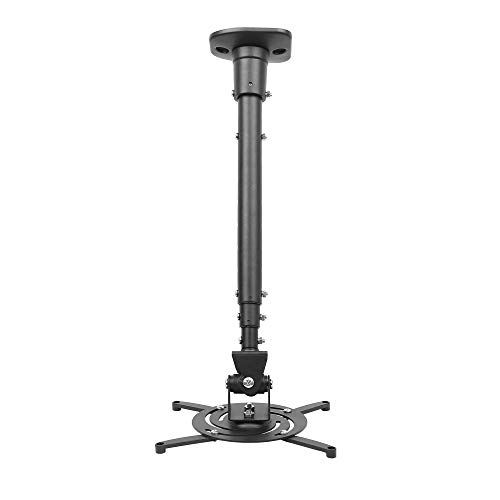
DYNAVISTA Full Motion Universal Ceiling Projector Mount Bracket with Adjustable Height and Extendable Arms Rotating Swivel Mount for Home and Office Projector (Black)
Universally Compatible: This projector ceiling mount supports most projector brands with distance between the mounting holes on back...
As an affiliate, we earn on qualifying purchases.
Conclusion
So, if you don’t replace your projector lamp on time, you could be staring at a flickering, dull screen that feels like trying to watch your favorite movie through a foggy window. Think of your lamp as the heart of your projector—let it die, and everything goes dark and useless. Keep an eye on its lifespan, replace it when needed, and you’ll enjoy crystal-clear images that shine brighter than a thousand suns!

PUTORSEN Adjustable Projector Ceiling Mount,Universal Projector Shelf for Ceiling and Wall, Holds up to 22lbs,No Hole Installation, Hidden Cable Routing, Black
Versatile Application: PUTORSEN projector ceiling mount is compatible with most manual or spectrum projector screens, Also can be...
As an affiliate, we earn on qualifying purchases.

Aurzen Ceiling Projector Mount Bracket, 360° Rotation & 90° Tilt, Adjustable 9"-15" Length, ¼-Inch Screw, Compatible with TMY, HAPPRUN, Yaber, Epson & Most Projectors
Note: Not compatible with Aurzen D1 MAX
As an affiliate, we earn on qualifying purchases.