Input lag is the delay between your action and what you see on screen, affecting how responsive your projector feels. It’s especially important if you play games or use interactive content, where quick reactions matter. High input lag can make responses sluggish and impact your experience. If you want crisp, responsive visuals, understanding input lag is key. Keep going to discover how to choose the best projector for minimal lag and peak performance.
Key Takeaways
- Input lag is the delay between a user action and the on-screen response, impacting responsiveness.
- For projectors, low input lag ensures smoother gameplay and interactive experiences.
- High input lag in projectors can cause sluggish reactions, affecting gaming and precise control.
- Choosing projectors with minimal input lag improves immersion, especially during fast-paced or interactive content.
- Understanding input lag helps select the right projector for optimal visual performance and responsiveness.
When it comes to enjoying a seamless viewing experience, understanding input lag is essential, especially with projectors. Input lag refers to the delay between when you perform an action—like pressing a button or moving a mouse—and when that action appears on the screen. This delay can considerably impact your overall experience, whether you’re gaming or watching a movie. For gamers, low input lag means your commands are reflected instantly, maintaining responsiveness and precision. High input lag can make fast-paced games feel sluggish, leading to missed shots or delayed reactions that ruin your gaming performance. On the other hand, if you mainly use your projector for movies and TV shows, input lag might seem less critical, but it still influences your cinematic experience. A longer delay can cause a disconnect between your actions and what you see, especially if you’re trying to interact with on-screen menus or playing interactive content.
Projectors traditionally tend to have higher input lag compared to TVs or monitors, mainly because of their processing requirements. Many projectors process images to optimize quality, which can add a noticeable delay. This processing time varies widely among models, so it’s essential to check the specifications if you want a setup that delivers quick response times. For gaming, especially, a projector with a low input lag—ideally under 30 milliseconds—is crucial to ensure your gameplay feels natural and responsive. Some high-end projectors are specifically designed with gaming in mind, offering reduced input lag to match the performance you’d expect from a gaming monitor. When you choose a projector with low input lag, you’re guaranteeing that your gaming performance isn’t hindered by delays, giving you a competitive edge and a more immersive experience. Additionally, understanding the refresh rate of your projector can help you better match it with your gaming hardware for optimal responsiveness.
For cinematic use, input lag might not seem as critical, but it still influences how smoothly your content appears, especially during interactive sections or when using smart features. A projector with minimal input lag can provide a more fluid and engaging viewing experience, making your movie nights feel more immersive. If you’re streaming content or playing interactive media, a projector that balances high image quality with low input lag will elevate your overall enjoyment. Ultimately, understanding input lag helps you make better choices when selecting a projector, guaranteeing you get the right balance between visual quality and responsiveness. Whether gaming or enjoying a cinematic experience, opting for a projector with low input lag guarantees less frustration and more satisfaction from your entertainment setup.
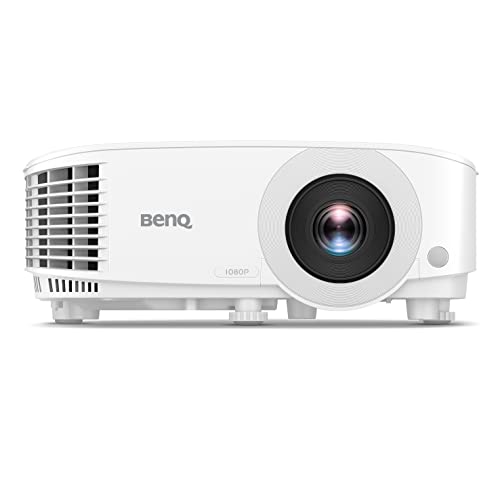
BenQ TH575 1080p Indoor Gaming Projector, 3800 LMS, 16.7ms Low Latency, Enhanced Game-Mode, High Contrast, Dual HDMI, 3D Ready, Auto Vertical Keystone, Standard Throw, 1.1x Zoom, 3 Year Warranty
NEW 2023 MODEL: Upgraded 3800 ANSI Lumens paired with an improved 15,000:1 contrast ratio (FOFO) when compared to…
As an affiliate, we earn on qualifying purchases.
As an affiliate, we earn on qualifying purchases.
Frequently Asked Questions
How Can I Measure My Projector’s Input Lag at Home?
You can measure your projector’s input lag at home using calibration techniques and testing equipment. First, connect a gaming console or PC with a high-speed camera or a specialized input lag tester. Then, display a test pattern or a game, and record the response time. Analyzing the footage helps you determine the delay. This method provides an accurate measurement without needing professional tools, making it accessible for home testing.
Does Input Lag Vary Between Different Projector Models?
Think of it like choosing a vintage car—model variability and brand differences can cause input lag to vary markedly. Some projector models are optimized for gaming or fast-paced visuals, resulting in lower input lag, while others prioritize image quality over speed. So, yes, input lag does differ between models, and you should check each model’s specs or reviews to find one that suits your needs.
Can Input Lag Affect Gaming Performance on Projectors?
Yes, input lag can affect your gaming performance on projectors. Higher gaming latency means there’s a delay between your actions and what appears on the screen, which can make fast-paced games feel sluggish. Response time is vital because lower response times reduce this delay, providing smoother gameplay. To get the best experience, choose a projector with minimal input lag and fast response times, especially for competitive or action-packed gaming sessions.
Is There a Way to Reduce Input Lag on My Projector?
Your best bet is to tweak your projector’s settings—think of it as trimming the fat. Adjust screen calibration and enable any game or low-latency modes if available. Calibration tips like reducing image processing features and updating firmware can also help. Keep your projector’s software current, and consider using a high-quality HDMI cable. These steps can markedly cut down input lag, making your gaming experience smoother and more responsive.
How Does Input Lag Impact Watching Fast-Paced Movies?
Input lag can make fast-paced movies feel sluggish, causing motion blur and reducing your overall enjoyment. When lag is high, quick movements appear blurry or delayed, disrupting smooth action sequences. This also affects color accuracy, making visuals less vibrant and details harder to follow. To get the best experience, look for projectors with low input lag, ensuring sharp motion, vibrant colors, and minimal delay during intense scenes.
BenQ TH575 1080p Indoor Gaming Projector, 3800 LMS, 16.7ms Low Latency, Enhanced Game-Mode, High Contrast, Dual HDMI, 3D Ready, Auto Vertical Keystone, Standard Throw, 1.1x Zoom, 3 Year Warranty
NEW 2023 MODEL: Upgraded 3800 ANSI Lumens paired with an improved 15,000:1 contrast ratio (FOFO) when compared to…
As an affiliate, we earn on qualifying purchases.
As an affiliate, we earn on qualifying purchases.
Conclusion
Understanding input lag helps you enjoy your projector experience more, especially during fast-paced gaming or interactive content. Did you know that the average acceptable input lag for gaming is around 20 milliseconds? Anything above that can cause noticeable delays and frustration. So, next time you pick a projector, remember that lower input lag means smoother, more responsive visuals. Don’t let delays ruin your fun—choose wisely and stay in sync with your screen!
![[Officially-Licensed APP & 2500 ANSI] 4K Projector with WiFi and Bluetooth,TOF Real-Time Auto Focus Smart Projector, AuKing Outdoor Movie Home Theater Proyector with Omni-Adjustable Stand(Grey)](https://m.media-amazon.com/images/I/51jcTjFXrwL._SL500_.jpg)
[Officially-Licensed APP & 2500 ANSI] 4K Projector with WiFi and Bluetooth,TOF Real-Time Auto Focus Smart Projector, AuKing Outdoor Movie Home Theater Proyector with Omni-Adjustable Stand(Grey)
[Smart Projector Built-in APP – Cinema Experience, Anywhere] Experience effortless entertainment with the AuKing smart projector, which features…
As an affiliate, we earn on qualifying purchases.
As an affiliate, we earn on qualifying purchases.

Arcade Vision Projector with Games Built in 36,000+ Retro Games, Gaming Video 2-IN-1 Projector 4K with 2 Wireless Controllers Gifts for Men/Teens/Kids
【Ultimate Gaming & Entertainment with a Retro Touch】The NEVERYOUYU game projector is your gateway to nostalgic fun and…
As an affiliate, we earn on qualifying purchases.
As an affiliate, we earn on qualifying purchases.