To reduce input lag in your projector for gaming, you should turn on its ‘Game Mode’ to bypass unnecessary processing steps that cause delays. Adjust picture settings and disable image enhancements like motion smoothing or noise reduction, which add latency. Use high-quality, low-latency HDMI cables and make sure your signal chain is optimized. Proper calibration and minimizing internal processing can notably improve response time—stick around to learn more ways to get the best gaming experience.
Key Takeaways
- Internal projector processing adds latency by converting input signals into images, increasing overall input lag during gaming.
- Enabling dedicated gaming or low-latency modes bypasses or simplifies processing steps to reduce delay.
- Disabling image enhancements and adjusting picture settings can decrease processing time, improving responsiveness.
- Using high-quality HDMI cables and optimizing the signal chain minimizes delays caused by signal transmission.
- Calibration and testing with lag measurement tools help find the best settings to balance image quality and minimal input lag.
If you want a smoother gaming experience, reducing input lag should be your top priority. One of the key factors that influence input lag in projectors is how their internal processing affects signal transmission and image rendering. To optimize your setup, understanding calibration techniques and the role of signal processing is essential. Calibration techniques involve fine-tuning your projector’s settings to minimize delays, ensuring that what you see on the screen responds quickly to your inputs. Adjustments like changing picture modes, disabling unnecessary image enhancements, and tweaking input lag settings can greatly reduce latency. Many projectors include specific modes designed for gaming, which prioritize faster response times over image processing effects, making calibration a vital step for gamers seeking minimal lag. Additionally, being aware of the contrast ratio and how it influences image quality can help you further balance responsiveness with visual clarity.
Signal processing is at the heart of how projectors convert input signals into visuals. Every step in this process can introduce a delay, from decoding the input to rendering the final image. Modern projectors use various signal processing techniques that can either boost image quality or add latency. When aiming to reduce input lag, you’ll want to understand how these processes impact response times. For instance, some projectors have advanced signal processing algorithms that enhance image clarity but at the expense of increased lag. Turning off or reducing these features can make your gameplay more responsive. Many projectors also offer a ‘Game Mode,’ which bypasses or simplifies some of these signal processing steps, resulting in quicker response times.
To effectively reduce input lag, it’s essential to evaluate your projector’s calibration techniques. This involves testing different settings and measuring how swiftly your actions translate into on-screen movements. Using tools like lag testers or specialized software can give you concrete feedback about the latency levels under different configurations. Once you identify the best calibration setup, you can lock in those settings for the best possible response. Keep in mind, though, that some calibration adjustments might slightly degrade image quality, so balancing visual fidelity with responsiveness becomes a key part of the process.
In addition to these technical adjustments, guaranteeing your signal chain is optimized can help cut down on delays. Use high-quality HDMI cables, enable any available low-latency or ‘fast’ settings, and avoid unnecessary conversions or signal processing steps that could introduce additional lag. Combining proper calibration techniques with a clear understanding of your projector’s signal processing capabilities will make a noticeable difference in your gaming responsiveness. Ultimately, taking these steps ensures you get the most out of your projector, delivering smoother gameplay with minimal input lag.

Epson Home Cinema 2350 4K PRO-UHD Smart Gaming Projector with Android TV, 3-Chip 3LCD, HDR10, HLG, 2,800 Lumens, Low Latency, 10 W Speaker, Bluetooth, Streaming Capability
4K PRO-UHD (1) — An amazing 4K experience utilizing advanced processing for resolution enhancement, color and image processing;…
As an affiliate, we earn on qualifying purchases.
As an affiliate, we earn on qualifying purchases.
Frequently Asked Questions
Does Projector Brand Influence Input Lag Performance?
Yes, your choice of projector brand influences input lag performance. Brands with a strong reputation often invest in advanced projector technology that minimizes processing delays, giving you smoother gameplay. Cheaper or lesser-known brands may lack these features, resulting in higher input lag. To get the best gaming experience, look for reputable brands known for their low-latency projectors, and check reviews to guarantee their technology meets your gaming needs.
Can External Devices Reduce Projector Input Lag?
Yes, external devices can help reduce projector input lag. You might think they’re complicated, but calibration tips and choosing the right connection types make a big difference. Use a game-specific HDMI or low-latency adapters to cut down delay. Properly calibrate your setup to optimize response times, ensuring smoother gameplay. These simple steps can considerably enhance your gaming experience by minimizing lag, even with external devices in play.
How Does Screen Size Impact Perceived Input Lag?
Larger screen size can make perceived input lag feel more noticeable because your visual perception amplifies delays. When you play on a bigger display, even small lags seem more substantial, affecting your gaming experience. To minimize this, choose projectors with lower input lag, especially for larger screens, so your actions feel more responsive and immersive. Remember, the bigger the screen, the more critical it is to reduce perceptible delays.
Are There Specific Gaming Modes for Projectors?
Did you know that many projectors now include dedicated gaming modes? These gaming modes optimize projector settings to reduce input lag, providing a smoother gaming experience. By activating gaming modes, you cut down processing time, ensuring quicker response times. Always check your projector’s menu for these features, as they’re designed to enhance gameplay and minimize delays, making your gaming sessions more immersive and responsive.
What Is the Ideal Projector Latency for Fast-Paced Games?
You should aim for a projector latency of under 20 milliseconds to guarantee ideal gaming response in fast-paced games. Lower latency minimizes input lag, providing smoother gameplay. To achieve this, focus on proper projector calibration, adjusting settings to reduce processing delay. Keep in mind that some projectors have gaming modes designed to maximize response times, so activate those to enhance your gaming experience and enjoy seamless, responsive gameplay.
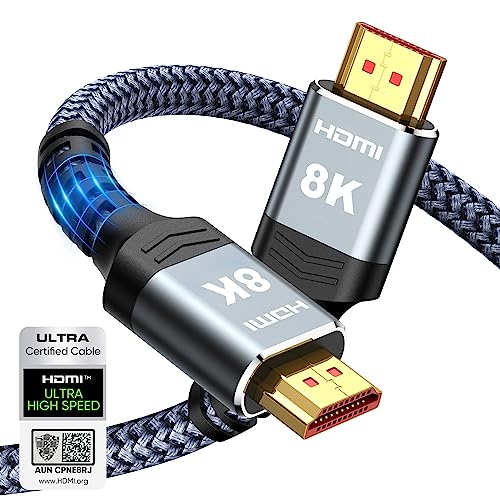
Highwings 8K 10K 4K HDMI Cable 48Gbps 6.6FT/2M, Certified Ultra High Speed HDMI Cable Braided Cord-4K@120Hz 8K@60Hz, DTS:X, HDCP 2.2 & 2.3, HDR 10 Compatible with Roku TV/PS5/HDTV/Blu-ray
Top Technology—-8K@60HZ: This 8K Ultra High Speed HDMI Cable uses the most cutting-edge technology, is compatible with 8K@60HZ…
As an affiliate, we earn on qualifying purchases.
As an affiliate, we earn on qualifying purchases.
Conclusion
So, if you want your gaming experience to be smoother than a ninja gliding through water, don’t underestimate the power of reducing input lag. Every millisecond counts, turning your game from a sluggish snail into a lightning-fast cheetah. With the right projector settings and techniques, you’ll be hitting shots and dodging enemies faster than your brain can blink. Say goodbye to frustration—your gaming world is about to become a lightning-fast, adrenaline-pumping adventure!

Loakdsa Universal TV AV Projector Ir Remote Control Decoder Tester Infrared Testing( Air Conditioning Cannot be Used)
1:Please install a brand new battery on the newly purchased remote control and point it to the TV/audio/air…
As an affiliate, we earn on qualifying purchases.
As an affiliate, we earn on qualifying purchases.
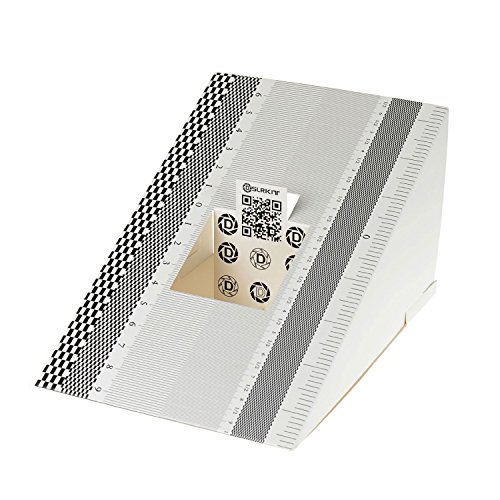
DSLRKIT Lens Focus Calibration Tool Alignment Ruler Folding Card(Pack of 2)
This compact ruler allows you to determine if your lens is auto-focusing accurately as it should. It is…
As an affiliate, we earn on qualifying purchases.
As an affiliate, we earn on qualifying purchases.