
Deciding whether to build or buy your projector screen frame depends on your budget, tools, and customization needs. Building with wood or aluminum offers a sturdy, tailored setup but may require more time and tools. Buying a pre-made frame can save effort and ensure consistency but might limit personalization. Consider your DIY skills and the desired durability. If you keep exploring, you’ll discover tips to make your choice easier and more effective.
Key Takeaways
- Building offers customization in size, shape, and material, tailored to your space and budget.
- Buying pre-made frames ensures quick setup, professional finish, and consistent quality.
- Material choice impacts durability, appearance, and ease of assembly, influencing whether to build or buy.
- Consider your skill level, tools available, and time constraints when deciding between DIY or purchasing.
- Budget considerations may favor DIY for cost savings or buying for convenience and durability.
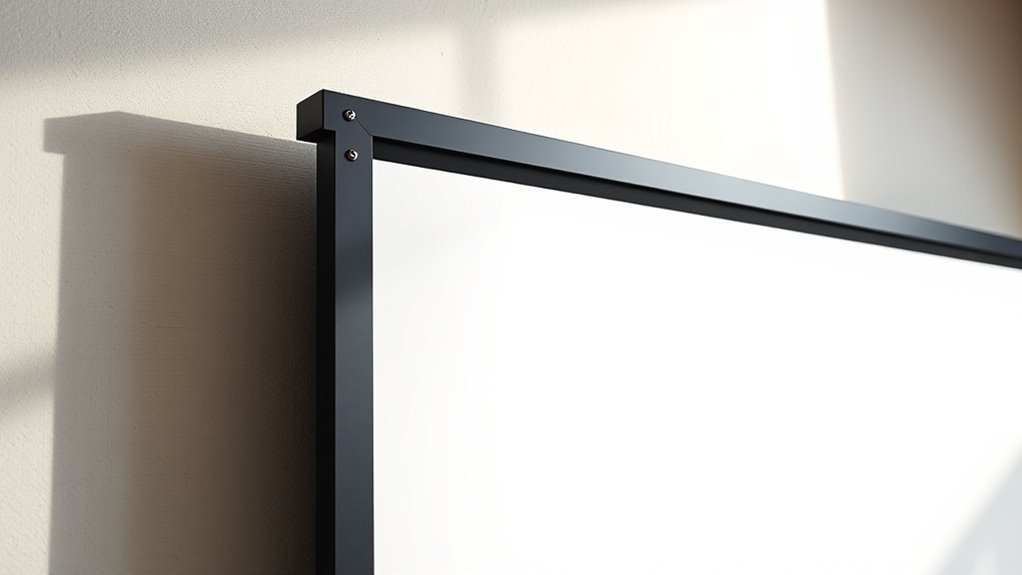
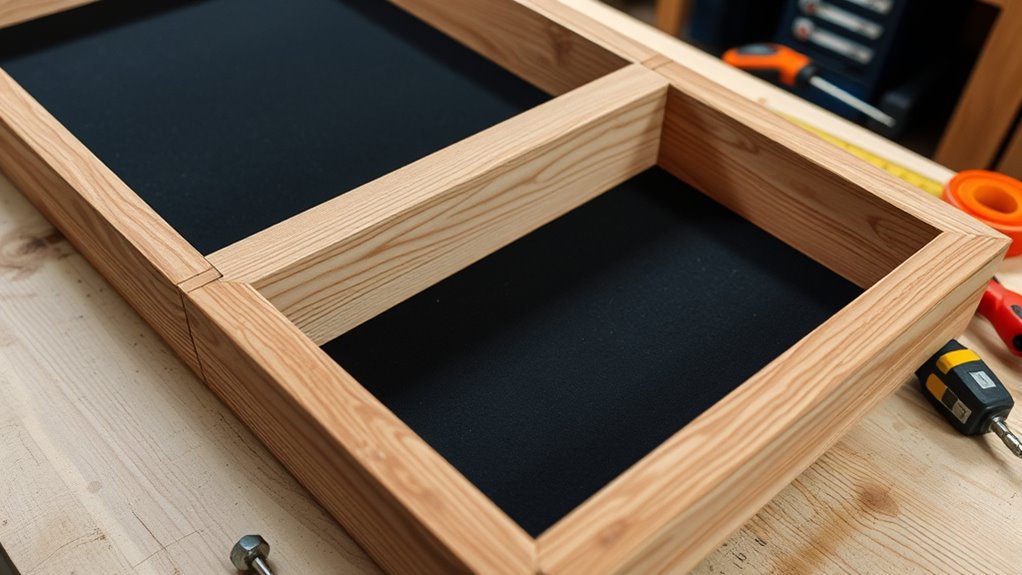
Creating your own projector screen frame is a practical way to enhance your home theater setup without breaking the bank. When you decide to build your own, one of the first steps is understanding materials selection. The choices you make here will influence the durability, appearance, and overall effectiveness of your screen. You’ll want sturdy, lightweight materials that are easy to work with but also long-lasting. Common options include wood, aluminum, or PVC piping. Wood is affordable and easy to cut, making it a popular choice for DIY projects. Pine or plywood can be readily available at hardware stores and offer good stability. Aluminum, although more expensive, is lightweight, resistant to warping, and provides a sleek finish. PVC pipes are budget-friendly, lightweight, and simple to assemble, making them suitable for beginner builders. Keep in mind that the material’s weight and ease of handling will impact your assembly process and the final look of your screen frame.
Budget considerations are vital because they help you determine which materials and tools you can afford without sacrificing quality. If you’re working with a tight budget, opting for wood or PVC might be the best route. Both are inexpensive and widely accessible, allowing you to allocate more funds toward the screen fabric or other accessories. On the other hand, if you’re willing to spend a bit more for a more polished appearance and increased durability, aluminum can be a worthwhile investment. Besides the material costs, consider the tools you’ll need—saws, screwdrivers, or clamps—and whether you already own some of these items or will need to purchase or rent them. Planning ahead ensures that you don’t overspend or get stuck midway through your project.
Once you’ve selected your materials, think about the dimensions of your screen and how the frame will fit in your space. Customizing the size allows you to maximize your viewing experience without cluttering your room. Remember, a well-chosen material paired with a clear budget plan not only makes building easier but also results in a sturdy, attractive frame that complements your home theater. Building your own projector screen frame lets you tailor it to your specific needs and style, all while saving money compared to buying a pre-made one. With thoughtful materials selection and careful budget planning, you’ll be well on your way to creating a functional, professional-looking screen that elevates your movie nights and gaming sessions. Additionally, understanding home theater setup principles can help you integrate the screen seamlessly into your entertainment area.
Frequently Asked Questions
What Materials Are Best for a DIY Projector Screen Frame?
You should use materials like sturdy wood, aluminum, or PVC for your DIY projector screen frame. These options offer excellent frame stability and material durability, ensuring your screen remains taut and steady over time. Wood is affordable and easy to work with, while aluminum provides strength without adding much weight. PVC is lightweight and resistant to moisture, making it ideal if you need a weather-resistant setup.
How Much Does Building a Frame Typically Cost?
Building a projector screen frame usually costs between $20 and $50, depending on materials and size. For accurate budget planning, consider the cost estimation of supplies like wood or PVC pipes, connectors, and tools. Keep in mind, if you opt for higher-quality materials or larger sizes, expenses may increase. You can save money by repurposing materials or choosing affordable options, making DIY a budget-friendly option.
Can a DIY Frame Support Large or Heavy Screens?
Yes, a DIY frame can support large or heavy screens if you choose the right materials and design. Think of it as building a sturdy bridge—your frame needs sufficient weight capacity and material durability to hold up over time. Use strong, weather-resistant materials like steel or high-quality wood, and reinforce joints. With proper planning, your homemade frame becomes a resilient foundation that keeps your screen safe and steady, no matter its size.
How Long Does It Take to Build a Custom Projector Screen Frame?
Building a custom projector screen frame typically takes about 2 to 4 hours, depending on your skill requirements and design complexity. Your timing considerations include gathering materials, measuring accurately, and assembling carefully. If you’re experienced with DIY projects, you’ll work faster, but beginners might need extra time for precise cuts and adjustments. Planning ahead and following detailed instructions can help streamline the process and guarantee a successful build.
Are There Portable Options for DIY Projector Screen Frames?
Yes, there are portable options for DIY projector screen frames that you can easily carry around. You can choose lightweight materials like aluminum or PVC pipes, which make setup and transport simple. These frames are designed for flexibility, allowing you to quickly assemble, disassemble, and store them. With portable options, you get convenience, ease, and versatility, making it perfect for outdoor movies, presentations, or impromptu gatherings.
Conclusion
In the end, whether you build or buy your projector screen frame, remember that a stitch in time saves nine. Taking the time to create a sturdy, tailored frame now can save you headaches later. If you’re handy, a DIY approach offers customization and satisfaction. But if you’re pressed for time, buying a ready-made frame gets you there faster. Either way, with patience and some effort, you’ll have a perfect viewing setup that’s worth the effort.